Poll: Is Basecamp Right To Shutdown Politics At Work?
In a post that has been revised for “clarification,” the company’s co-founder Jason Fried listed six rules for employees: No societal or political dis


Let’s talk about the other users. Not your typical, scroll-happy, ideal-case personas.
I’m talking about the people who use Internet Explorer 11 in 2025. The ones who type their name in all caps with seventeen emojis. The ones who have low vision, slow Wi-Fi, or a cracked phone screen from 2017. In UX lingo, these are your edge cases—and ignoring them is one of the quietest ways your product can fail.
We love designing for the “happy path.” The smooth, linear flow where everything works and everyone behaves. But the truth is, real users are messy, unpredictable, and full of surprises. And when your design assumes perfection, you’re setting yourself up to exclude people by default.
In product design, an edge case is any scenario that falls outside the norm—situations you don’t design for first, but absolutely should design for eventually.
Examples:
These aren’t bugs in human behavior. They’re real users with real needs.
Designing only for your majority users creates a false sense of completion. It feels efficient. It’s fast. But it’s also fragile.
When you skip edge cases, you’re not just creating rare hiccups—you’re baking in exclusion:
Worse, you don’t usually hear from these users. They just leave. Quietly. Permanently.
The beauty of edge cases is that they stress-test your assumptions.
That weird user who signs up with an emoji-only name? They expose how brittle your validation system is. That person trying to check out without a phone number? They force you to rethink required fields. These aren’t annoyances—they’re opportunities to make your product stronger, fairer, and more flexible.
Many of the web’s best innovations were born from solving for the edge:
Edge case thinking makes better products for everyone.
Because they’re inconvenient. They don’t show up in user journey maps. They’re hard to prototype. They break our perfect mockups. And—let’s be honest—they often don’t align with business metrics.
It’s easier to focus on the 99% that convert cleanly.
But that 1%? That’s where your design shows whether it’s resilient or just pretty.
No, you don’t need to obsess over every improbable scenario. But you do need a mindset shift:
Here’s the real kicker: today’s edge case is often tomorrow’s norm.
What feels “fringe” now—like designing for neurodivergent users, multi-device workflows, or AI-based interaction patterns—may be standard within a year.
The more we design with the edges in mind, the more future-proof and inclusive our products become.
Because good design doesn’t just work under ideal conditions. It works when things get weird, messy, and human.
Next time someone says, “Oh, that’s just an edge case,” take a breath—and remind the
Designing for the 1% isn’t optional. It’s the difference between looking polished and actually being user-first.

In a post that has been revised for “clarification,” the company’s co-founder Jason Fried listed six rules for employees: No societal or political dis

Most of us are concerned about our public image, right? It matters a lot how people see and think of us. Export the same sentiment to a brand instead

It’s fair to say that AMP (Accelerated Mobile Pages) is a controversial topic among web developers.AMP is a Google-guided technology that strips down

Pantone has unveiled its Color of the Year for 2025: Mocha Mousse (PANTONE 17-1230), a warm, soft brown that exudes comfort and sophistication.This se
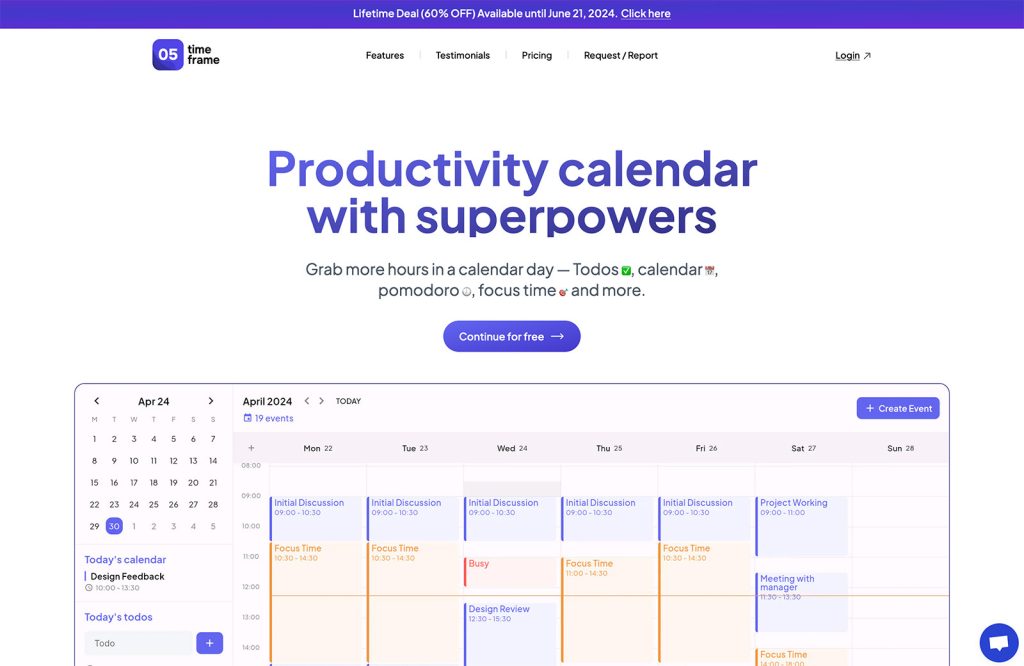
In this month’s roundup of the best tools for web designers and developers, we’ll explore a range of new and noteworthy tools designed to enhance vari

That’s a big part of the reason so many designers are stripping down menus to more minimal styles. (Plus, it can create a cleaner, more sleek overall
We are a dynamic information platform dedicated to delivering timely, relevant, and reliable content across a broad spectrum of topics. From the latest in technology and business to lifestyle, health, and global affairs, we aim to keep our readers informed and inspired.
Our editorial team is committed to maintaining high standards of accuracy and clarity, ensuring that every article provides value and context in an ever-changing world. We believe in the importance of accessible knowledge and strive to make complex topics understandable for everyone.
Whether you're here to stay updated on current events, explore thought-provoking features, or simply learn something new, our goal is to offer a trustworthy source of information that meets the needs of a diverse and curious audience.