Who Owns the Web Now? Centralization vs. Decentralization in the Age of AI
The web is going through a slow-motion identity crisis.It began as a decentralized playground of pages, links, and raw human curiosity. Then came the


However, as the digital landscape continues to evolve, you might be curious about exploring fresh LinkedIn alternatives. Perhaps you’re looking for platforms that offer unique features, cater specifically to creatives, or provide a fresh perspective on professional networking.
LinkedIn is a multifunctional platform, leveraging the power of professional networking for various purposes:
This list seems like LinkedIn offers a lot, but it’s worth taking a closer look at how much of it is actually of value to a freelance web designer, or even a small creative studio.
For a designer looking for work the writers’ maxim of ‘show, don’t tell’ is paramount. You can tell a client what you’ve done ad infinitum, but ultimately they want to see your work. Studies have shown that recruiters might spend as little as 8 seconds looking at each resumé, so being able to just say ‘Look, I made this’ is a massive plus.
While LinkedIn does allow you to upload a portfolio, there are better platforms for this, and platforms where clients are more likely to look because that is where they expect to find good talent.
As for networking with others in your field, plenty of web professionals do use LinkedIn, but again, there are better platforms for this, set up specifically for designers and developers.
While finding work is vital for a freelancer, the other side of the recruitment coin is not usually going to be of interest. However, sometimes a client might ask for something you know you can’t do, or can’t get done in the time available, so you need to reach out to someone else to subcontract or collaborate.
For example, if you are great with frontend development, but server-side stuff isn’t your forte, you might need the services of a good PHP developer. Or if the client wants a bespoke hand-drawn font and your specialism is UI, you might need a type designer. LinkedIn can provide a list of possible candidates, but won’t give you any idea — beyond their word for it — if they are any good. On the other hand freelance marketplaces tend to provide ratings based on client feedback, which can save you from costly mis-hires.
As for lead generation, your best bet is still having your work available to as many people as possible in the places they are looking. Then, doing a good enough job that your clients are happy to come back to you, and to spread the word. Repeat business and personal recommendations are more valuable than any algorithm-engineered network.
In addition, while LinkedIn offers a free, basic membership, its real power is only available through the premium accounts. Prices start at $39.99/month, and it’s worth noting that some features are still restricted or incur additional charges at this level. For instance, you can access courses but you have to pay for them.
Dribbble functions primarily as a showcase and virtual playground for designers. There is a strong community aspect, and members can get constructive feedback from their peers as well as connect with potential clients.
Although some aspects of Dribbble are free, the jobs board is only available through a paid subscription plan. However, at only $8 per month, it’s a lot more viable for individuals and small studios than LinkedIn’s fee.
Behance has been around for almost as long as LinkedIn. It was launched in 2005 and was later bought by Adobe in 2012. It now claims to be the largest creative network. Along with a portfolio directory, there is a job board and freelance marketplace, and you can sell assets directly through your profile.
Because it’s owned by Adobe there is sometimes a misconception that you need to have Creative Cloud (CC) to be on Behance: you don’t. If you have CC you can use your Adobe membership to sign in to Behance, and the two will be linked, but you can also use Behance without ever opening an Adobe app.
Behance is completely free to use with one exception: if you accept work through Behance both you and the client are charged a platform fee (usually a percentage of the job cost).
The first thing that springs to mind with Awwwards is, of course, its site of the Day/Month/Year, but it has more to offer, such as a talent directory to showcase your work, courses, and an assets marketplace. The directory is not free to join, with subscriptions starting at $14 a month (less if billed annually), but membership includes access to exclusive content, discounts on site submissions and courses, and more features to come.
While Toptal is not exclusively aimed at creatives, it is restricted to design, tech, and finance. And not everyone who applies gets in — there is a pretty tough selection process. But if you do get accepted there are some big benefits, principally better jobs with better clients for better money (and you get to keep all of it). An extra bonus is that you just tell Toptal your rate and they do all the negotiations with the client on your behalf.
Upwork is a much bigger freelance marketplace than Toptal, with a wider range of jobs and skills catered for. You can also collaborate with other freelancers as an agency. It’s free to join, but there is a Plus subscription account for $14.99/month. Plus the platform takes 10% of the final fee for each job.
The Dots is a professional network for creatives in design and tech, with an emphasis on community and collaboration. It prides itself on being an inclusive values-driven alternative to platforms like LinkedIn, with a community that is currently 68% female, 31% minority ethnic, and 16% LGBT+. The Dots is free to join as a freelancer.
While LinkedIn is still the heaviest hitter among professional social networks, one size doesn’t always fit all.
In the constantly evolving online world, it’s important to explore other platforms that offer web designers diverse opportunities to learn, connect, and expand their skills in the industry. While having a LinkedIn profile is a must-have in today’s digital world, it’s also wise to diversify and establish a presence on at least one other targeted platform.

The web is going through a slow-motion identity crisis.It began as a decentralized playground of pages, links, and raw human curiosity. Then came the
One of the hardest parts of starting your business or freelancing is trying to figure out what you should charge. Years ago after accepting pennies on

Ah, company rebrands—the cornerstone of any business looking to save their skin after months of falling sales, PR nightmares, and poor public percepti

However, what many business leaders and clients don’t realize is that they also have a part to play in ensuring that they get the right results from t

At least once every day, some designer somewhere in the world will look at something made months or years ago; failing that, some executive will get t
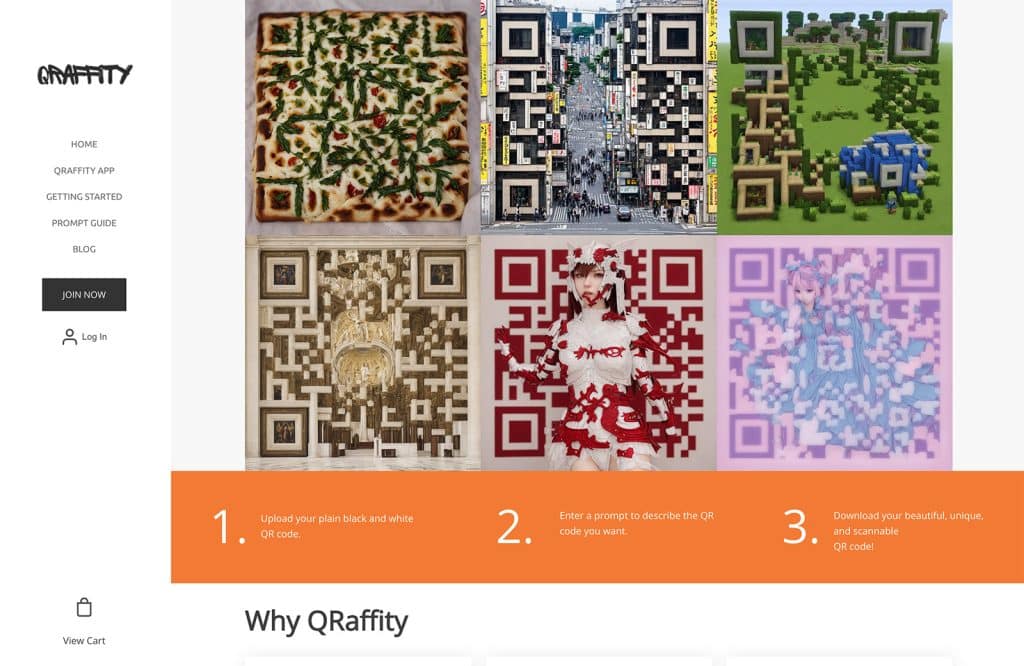
Happy New Year to you, and happy new tools! Whether you are a dedicated web tool enthusiast, looking for something specific, or just having a casual b
We are a dynamic information platform dedicated to delivering timely, relevant, and reliable content across a broad spectrum of topics. From the latest in technology and business to lifestyle, health, and global affairs, we aim to keep our readers informed and inspired.
Our editorial team is committed to maintaining high standards of accuracy and clarity, ensuring that every article provides value and context in an ever-changing world. We believe in the importance of accessible knowledge and strive to make complex topics understandable for everyone.
Whether you're here to stay updated on current events, explore thought-provoking features, or simply learn something new, our goal is to offer a trustworthy source of information that meets the needs of a diverse and curious audience.