InVision reveals design industry stats
What is a design-driven organization, according to designers? What organizations put a legitimate emphasis on design? Conversely, which industries see

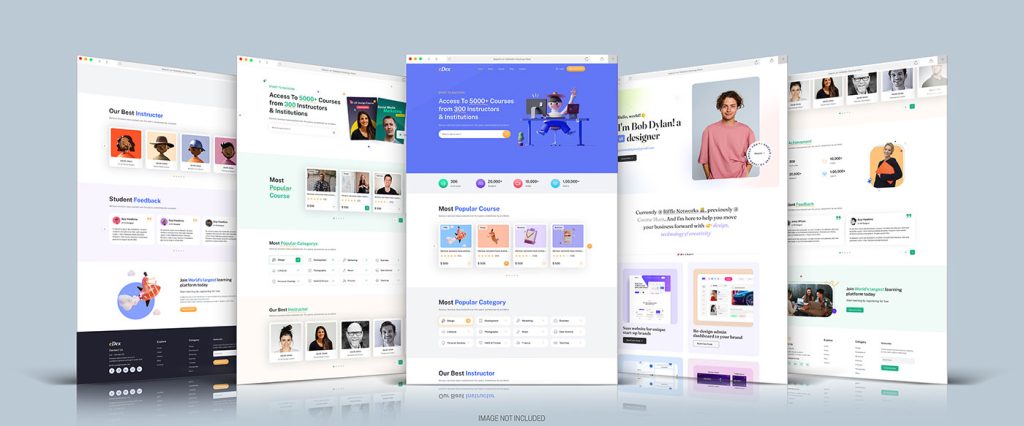
Once upon a time, in the golden age of blogrolls and PSD mockups, web designers whispered of a magical concept: evergreen web design. The idea was noble—craft layouts so timeless, so immune to trends, that they would age like fine wine rather than sour milk.
Clean grids, neutral color palettes, readable typography, and just enough whitespace to make Swiss designers nod approvingly from the grave.
But here’s the controversial truth: evergreen web design doesn’t actually exist.
Not really. Not in the way we pretend it does.
And in 2025, still chasing this myth is more about control than creativity, more about fear than function. Let’s talk about why the dream of “timeless” design is flawed, who it benefits, and what we should be doing instead.
You know that portfolio site with the 12-column grid, Inter font, and hero image of someone staring wistfully at a laptop? The one that could’ve been designed in 2015—or 2025—and nobody would know the difference?
That’s “evergreen.” Safe. Palatable. Also utterly forgettable.
We’ve confused longevity with mediocrity. In the pursuit of timelessness, we’ve sanded off all the edges. No drama, no experiments, no opinions. Just design that’s invisible… in the worst possible way.
But here’s the kicker: what we call “evergreen” is usually just last year’s trend with the serial numbers filed off. Neumorphism was “timeless” until it looked like a smudged touchscreen. Brutalism was “fresh” until every design student used it for their portfolio. Flat design was clean until it got boring.
Design doesn’t stand still. It shouldn’t.
Designing something to last five years on the web is like building a castle out of butter during a heatwave.
Browsers evolve. Accessibility standards shift. Viewport behaviors change. Device diversity explodes. AI tools start generating full sites from a sentence and your mood ring color. Meanwhile, your “evergreen” design starts breaking in ways you didn’t plan for—animations that lag, carousels that feel archaic, hero sections that feel lifeless.
Even the good design gets stale—not because it’s broken, but because our visual literacy changes. Users evolve. What looked premium in 2020 looks like a default Webflow template today. What felt human-centered last year feels like a prompt churned out by GPT this year.
Timelessness in digital is a mirage.
Let’s get real: most people pushing “evergreen design” are doing it because it makes clients feel safe.
Clients don’t want to hear about trends—they want ROI. They don’t want to refresh their site every year. They want to pay once, forget it, and call it a brand strategy. So you sell them something “timeless,” something “classic,” something that won’t ruffle any feathers in five years.
But design is not just a utility. It’s cultural expression, emotional resonance, and yes—a little risk.
Evergreen design doesn’t serve the user. It serves the business. And maybe that’s fine—until the user goes elsewhere because your “timeless” layout feels like it was frozen in amber.
Let’s be honest: evergreen web design is also what brought us the great homogenization.
You know the look. The same SaaS homepage, cloned across 500 startups. The same nav bar. The same Lottie animations. The same “We’re revolutionizing X with Y” headline in 64px font. The same pastel blobs. The same generic illustrations of humans without facial features doing yoga while managing cloud infrastructure.
It’s not that evergreen design is bad—it’s just that it became a formula. And the second something becomes formulaic, it dies creatively.
If your site looks like it was churned out by a design AI in 20 seconds, congratulations—you’ve achieved evergreen blandness. Now enjoy irrelevance.
Here’s the radical idea: maybe we should stop designing for eternity and start designing for now.
That doesn’t mean chasing every trend like a hypebeast with a Figma license. It means designing with intention, not longevity. Design that reflects this moment, for this audience, on this device, with this cultural awareness.
Design that might not age perfectly—but is alive today.
Design that makes someone feel something.
Because let’s face it—emotion ages better than grids.
If your site makes someone laugh, feel understood, or just feel something, it’ll stick in their memory far longer than that safe, serif-heavy, ever-so-tasteful layout you proudly called “evergreen.”
And here’s the uncomfortable part: a lot of designers lean on “evergreen” as an excuse. An excuse not to experiment. Not to take risks. Not to push.
“I don’t want to try dark mode because it might not age well.”
“I won’t use that color—it’s a trend.”
“I’ll use Open Sans—it’s safe.”
You’re not designing for forever. You’re designing for people. And people don’t live in a timeless vacuum. They live in trends, in aesthetics, in culture.
Designers don’t just reflect the world. We shape it. So stop hiding behind neutrality and start having a point of view.
You know what actually is timeless? Change.
Think of it like architecture. Some buildings are timeless. But others are beloved precisely because they reflect their era. Art deco. Brutalist. Mid-century modern. They weren’t designed to last forever—they were designed to capture a moment.
Web design can do that, too. It should. The web is alive—a living, evolving canvas. So stop embalming it with neutral tones and Helvetica.
Let it breathe. Let it break. Let it be weird, beautiful, flawed, expressive.
If your web design still works in 10 years, congratulations. It’s probably because you designed something completely forgettable.
And if that’s your goal—fine. But don’t call it evergreen.
Call it what it is: fear of being wrong.
Great design isn’t afraid to be wrong. It’s afraid to be invisible.
So go ahead. Break the rules. Use that ugly font. Add a little chaos. Put joy over timelessness.
The future won’t wait for your “evergreen” homepage. And neither will your users.
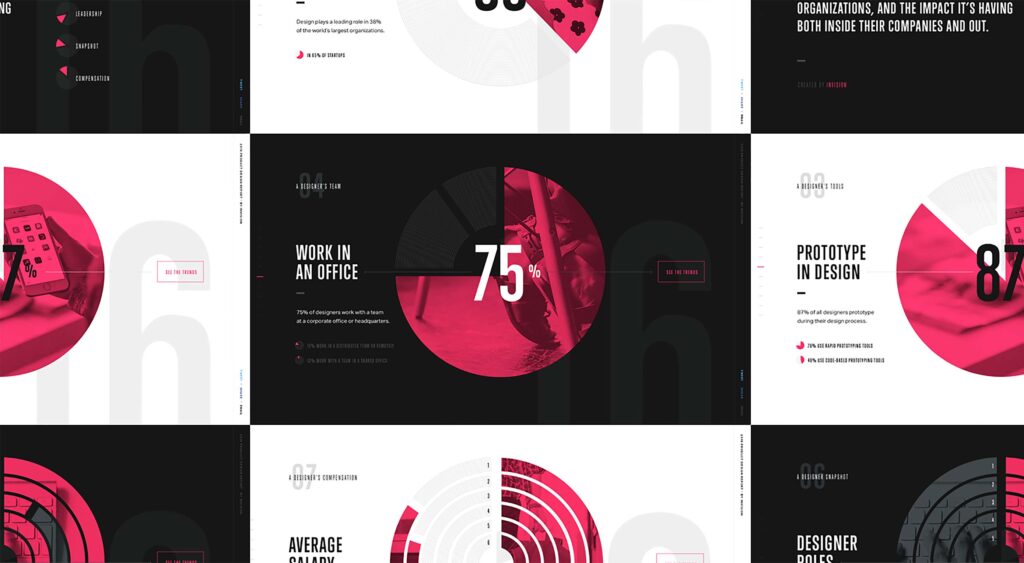
What is a design-driven organization, according to designers? What organizations put a legitimate emphasis on design? Conversely, which industries see
Let’s be real—sustainable web design sounds great in theory. Who wouldn’t want to build a cleaner, greener internet while crafting sleek, high-perform
Remember clicking? That sharp, deliberate action where you made a choice, committed to a path, and opened the next door in the digital house? Yeah—cli
As humans, we tend to rely heavily on one piece of information when we make decisions. We often anchor on the first piece of information we are introd
No matter how well-designed your user interface may be, at some point or another, people using it are going to have to wait for something to load.The
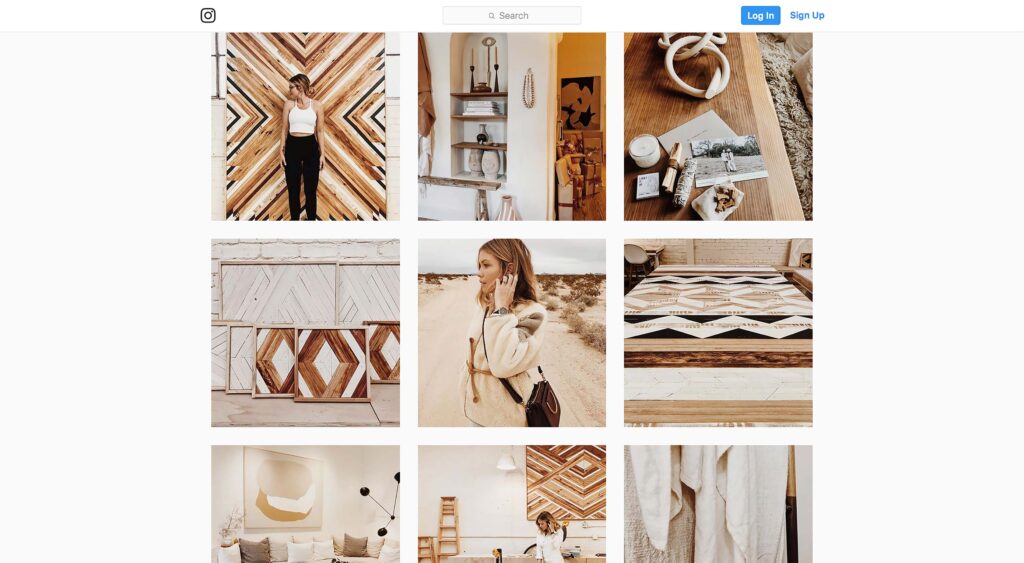
Instagram truly is the social media platform of this decade. It has exploded in popularity and seen massive growth. Instagram has become a social medi
We are a dynamic information platform dedicated to delivering timely, relevant, and reliable content across a broad spectrum of topics. From the latest in technology and business to lifestyle, health, and global affairs, we aim to keep our readers informed and inspired.
Our editorial team is committed to maintaining high standards of accuracy and clarity, ensuring that every article provides value and context in an ever-changing world. We believe in the importance of accessible knowledge and strive to make complex topics understandable for everyone.
Whether you're here to stay updated on current events, explore thought-provoking features, or simply learn something new, our goal is to offer a trustworthy source of information that meets the needs of a diverse and curious audience.