30 Seconds to Impress: 8 Expert Tips to Ensure Your Portfolio Gets Noticed
Let’s talk about something painful, yet incredibly important: Your portfolio. Yeah, that carefully curated collection of your best work. The one you’v


The first global pandemic of the digital era is upon us. We’re living in unprecedented and uncomfortable times.
For our senior citizens, these past several weeks have been particularly discomforting. According to the CDC, men and women over the age of 65 are significantly more likely to develop complications from COVID-19. As we seek to restrict the spread of coronavirus, it’s critical that we protect one another, especially our elders, and adhere to current directives to practice and enforce social distancing. Isolating ourselves in a bid to stop the spread of disease is incredibly important as we aim to protect seniors, in particular.
As more of us stay home under quarantine (can’t say I would have ever imagined writing those words), it’s only natural that we will become even more reliant on our connection to the digital world.
In one form or another, just about all of us have come to rely on countless digital services. Consider, for instance, the many services that seniors typically rely on. There’s email. There’s medical resources — information as well as online appointments with a doctor. There are shopping websites, particularly for food. Certainly, we are all trying to keep pace with the unceasing wealth of information pouring in day after day surrounding this rapidly evolving global event. So there’s also this basic need for news, which is more heightened than ever. The list goes on and on. From paying our bills to ordering our groceries and staying on top of 24/7 news cycles, unimpeded access to web has never felt so urgent.
But the fact is, for many of the individuals who are most at risk, fully engaging with your website and applications can be difficult or, even, impossible. The prevalence of disabilities and impairments impacting one’s use of a computer or mobile device increases with age, so our seniors are more likely to face obstacles when websites are not coded with website accessibility in mind. This is a demographic that represents 16-percent of the United States population, including seniors.
The needs of our aging population overlap, in many ways, with the needs of our population with disabilities. Seniors often have impairments that make using online and web-based technology difficult. These are just a few of the digital access barriers that are impacting tens of millions of people around the world:
In this moment and for all the reasons mentioned above, it has never been more crucial that our websites and online shopping experiences be accessible. Designing for accessibility means making sure that all users, including those who are ageing and those with disabilities, can access your site and move across it with ease. Looking beyond COVID-19, this is an ever-growing demographic. The number of seniors will drastically increase in the coming decades. If your website isn’t accessible, the time to take action is now.
Luckily, if you’re ready to design your website with the accessibility of an ageing population in mind, you’re not on your own. The Web Content Accessibility Guidelines (WCAG) take into account this wide overlap between users with disabilities and older adults. This informative guidance lays out a clear checklist that web designers should follow and website administrators should keep in mind to ensure that everyone, regardless of their year of birth, can navigate your website across every tab and every corner.
As we look to accommodate senior citizens and also build a web that is equipped for our future selves, here are some key steps you can take to ensure an optimal and accessible user experience for all your users:
This challenging time we are all living through is particularly – and unjustly – amplified for our senior citizens and the millions of individuals with disabilities relying on an equal digital playing field. Equal access online still isn’t a guarantee. Together, we can work to eradicate every barrier to digital access.
Featured image via Pexels.
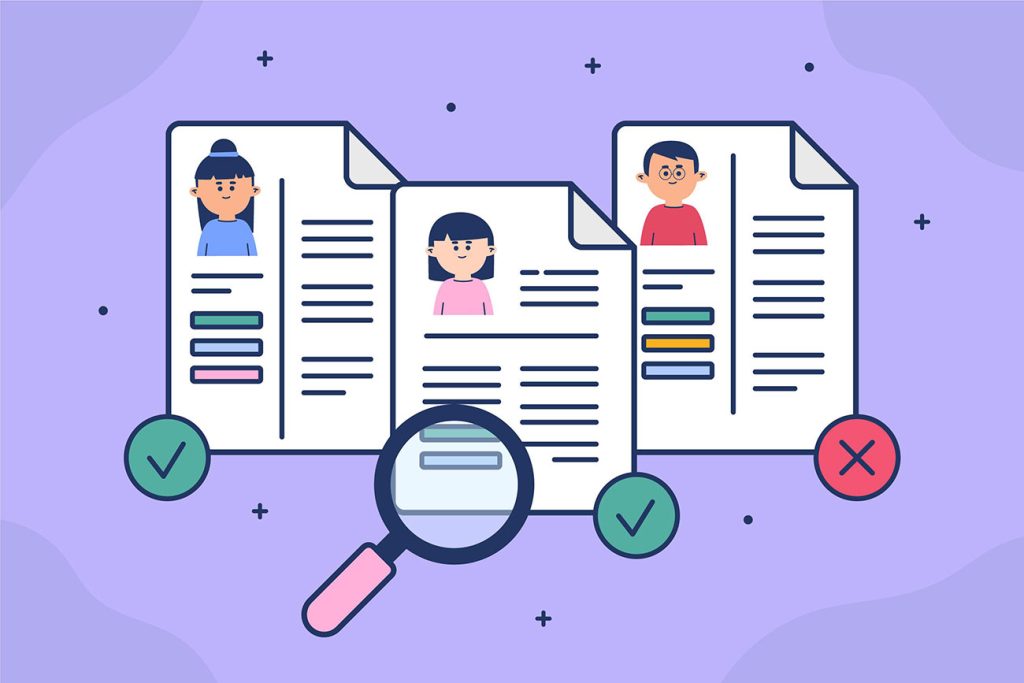
Let’s talk about something painful, yet incredibly important: Your portfolio. Yeah, that carefully curated collection of your best work. The one you’v

This is not a management article. Well, it kind of is, but please leave your agile-lean-workplace-organization-human-resources backpack at the door. W

For many professionals looking for new work opportunities, they know that prospective employers are going to ask for proof of their credentials; where

Every great product starts like a love story. You fall for it fast. It’s clean. It’s simple. It just gets you. The buttons are where you expect, the f

And just like that, we are closing in on the end of 2024. The trends keep on coming, though, as we round out the year. From holiday feels to cool scro

“User experience” is a broad term that gets bandied around at meetings and swapped with “user interface” as if the two are the same—they’re not. This
We are a dynamic information platform dedicated to delivering timely, relevant, and reliable content across a broad spectrum of topics. From the latest in technology and business to lifestyle, health, and global affairs, we aim to keep our readers informed and inspired.
Our editorial team is committed to maintaining high standards of accuracy and clarity, ensuring that every article provides value and context in an ever-changing world. We believe in the importance of accessible knowledge and strive to make complex topics understandable for everyone.
Whether you're here to stay updated on current events, explore thought-provoking features, or simply learn something new, our goal is to offer a trustworthy source of information that meets the needs of a diverse and curious audience.