27 Best Small Business Ideas for Designers
It covers the market size, earning potential, estimated startup cost, the target audience, and the value they bring to the table. You’ll also learn ho

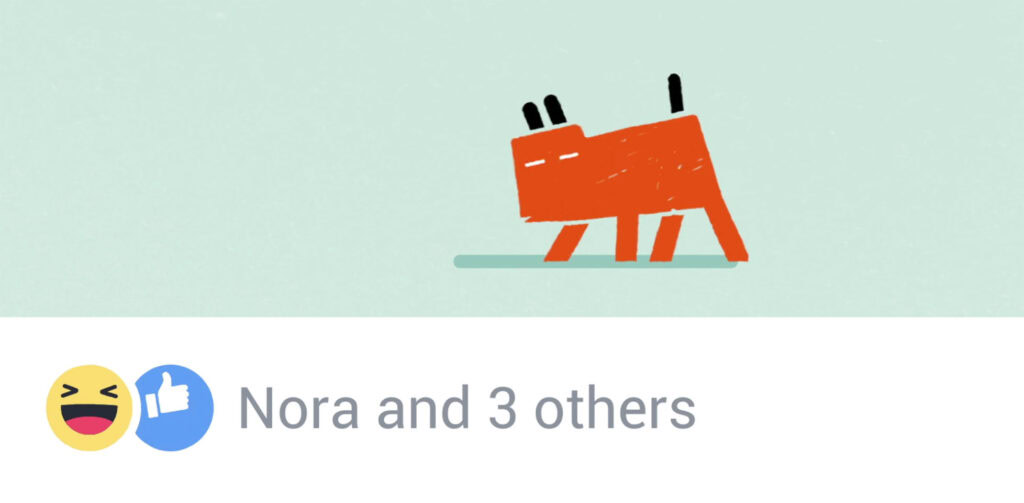
It’s inappropriate to ‘Like’ someone’s firing, breakup, fashion disaster, or untimely demise. That’s the conundrum Facebook has been struggling with since it introduced its ‘Like’ button seven years ago.
Today, after announcing the move last year, Facebook has rolled out its new ‘Reactions’ to all users. The six buttons—Like, Love, Wow, Sad, Bashful, and Sneezy—are intended to convey the full spectrum of human emotion, or at least give users more options to express themselves than they previous had.
Facebook’s ‘Like’ feature has been so fundamental to the definitive social network that it’s part of its branding; as recognizable, if not more so (especially after last year’s rebrand) than the company logotype itself.
It’s a modern-classic problem for a startup that has outgrown its original use-case: the UI that users are accustomed to, no longer reflects the tasks users are trying to accomplish. Twitter faced a similar issue in 2015 when it rebranded its star icon as a heart. It’s a problem LinkedIn would bite your hand off to be troubled by.
In a Medium post on the design process, Product Design Director at Facebook, Geoff Teehan acknowledged the potential teething problems:
We needed to thoughtfully curate any change so it felt like a natural evolution, taking care not to feel abrupt or disrupt everyone on our platform
Strangely, given how important this update is to Facebook, the icons are both visually, and semantically inconsistent: only the ‘Like’ and ‘Love’ buttons are icons, the other four reactions are emoticons; ‘Like’ is a mild version of ‘Love’, but there’s no ‘Mild Distain’ reaction to partner ‘Hate’; ‘Wow’ could be both positive, or negative. Do you send someone ‘Love’ when they’re bereaved?

It covers the market size, earning potential, estimated startup cost, the target audience, and the value they bring to the table. You’ll also learn ho
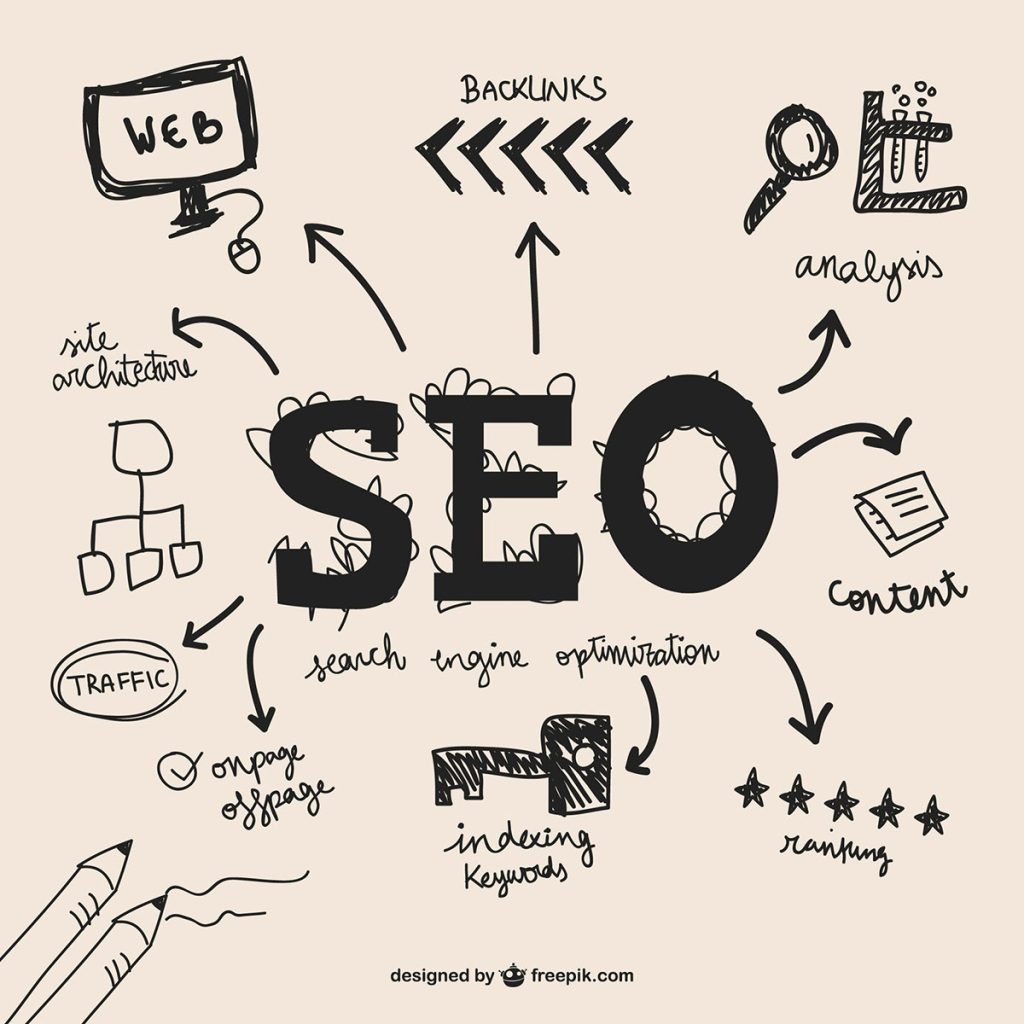
From its early days as a relatively straightforward set of practices to the current labyrinthine ecosystem of algorithms, penalties, and competing the

Every now and then, on some blog or design group, someone brings up the question of designers unionizing or having some sort of certification in the h
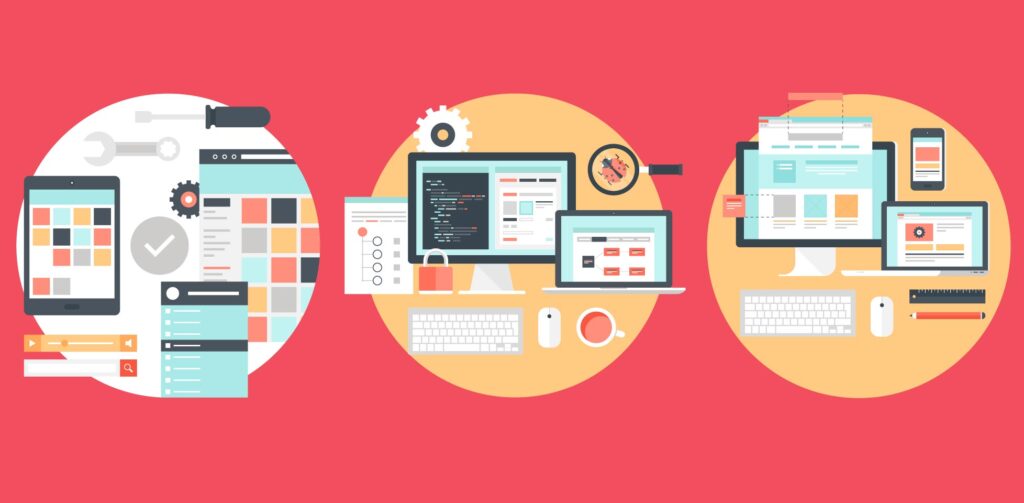
User scenarios are the stories that your personasp0o act out. Basically, user scenarios are thought exercises (though represented visually) in which y

Oh, Hamburger Menu. You mysterious little stack of lines. Once hailed as a sleek solution to messy navigation, you now feel like the flip phone of UX—
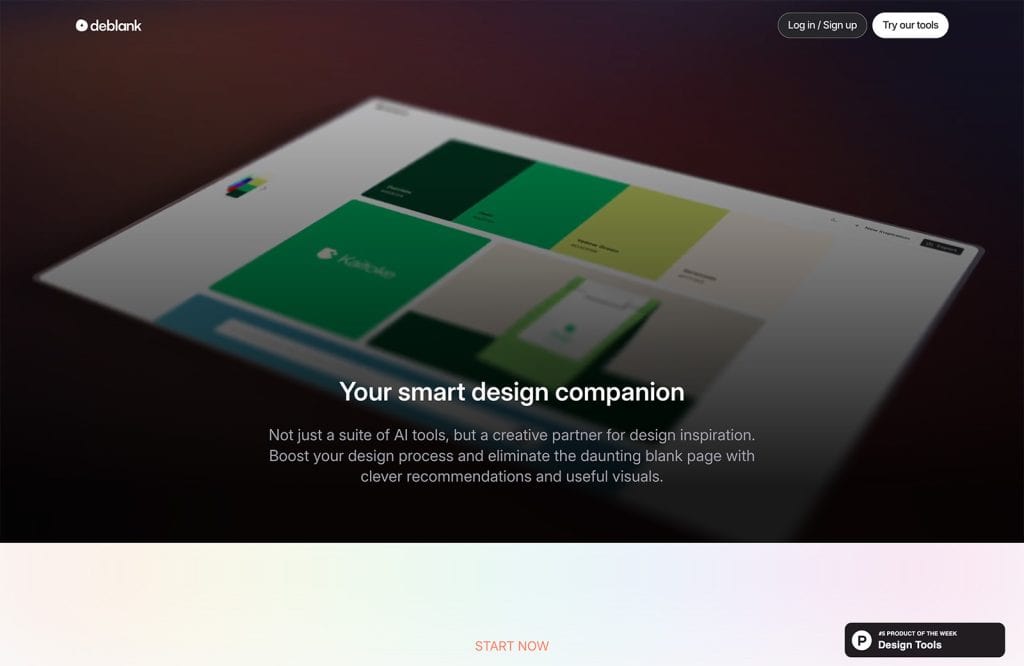
Welcome to this July’s collection of tools, gathered from around the web over the past month. We hope you’ll find something here to make work just tha
We are a dynamic information platform dedicated to delivering timely, relevant, and reliable content across a broad spectrum of topics. From the latest in technology and business to lifestyle, health, and global affairs, we aim to keep our readers informed and inspired.
Our editorial team is committed to maintaining high standards of accuracy and clarity, ensuring that every article provides value and context in an ever-changing world. We believe in the importance of accessible knowledge and strive to make complex topics understandable for everyone.
Whether you're here to stay updated on current events, explore thought-provoking features, or simply learn something new, our goal is to offer a trustworthy source of information that meets the needs of a diverse and curious audience.