10 Questions You Must Ask Before Hiring a Web Design Agency
The obvious place to start looking for a web design agency is by asking friends, family, and colleagues for personal recommendations, but bear in mind

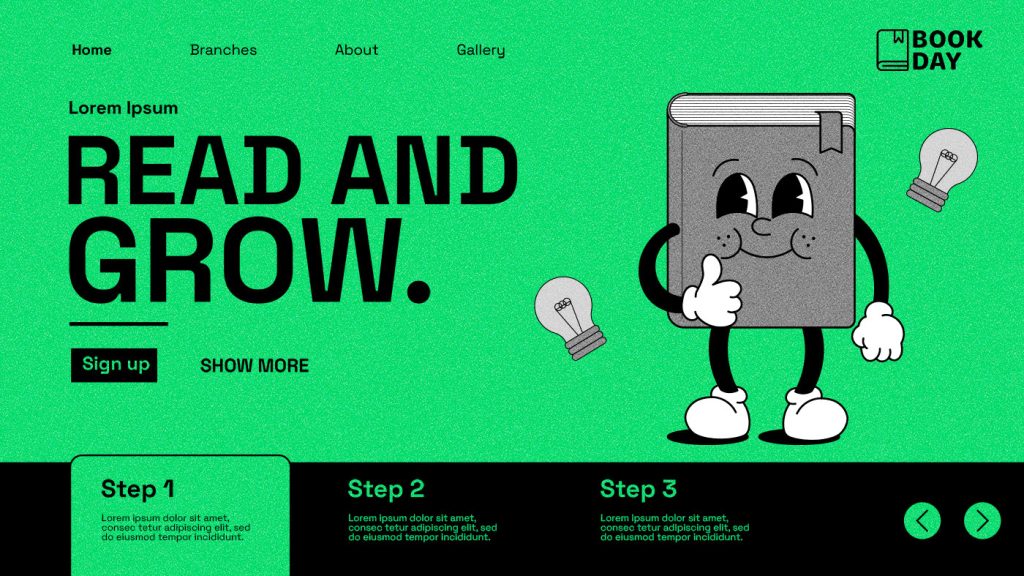
Remember when every other startup had a mascot? A weird, bug-eyed creature with a permanent smirk, usually some round, blobby thing with inexplicable limbs, making finger guns at you from the corner of a homepage?
Yeah, those were the days. Web design in the late 2000s and early 2010s was peak mascot territory. If you didn’t have some sort of grinning anthropomorphic animal or a minimalist, vaguely alien-looking blob guiding users through your SaaS interface, were you even a startup?
But look around today. The mascots are mostly gone. Vanished. Replaced by sterile, abstract blobs, minimalist line icons, or—worse—soulless corporate illustrations of people who all have the same creepy, AI-generated vibe.
So, what happened? Did web mascots get canceled? Did they fail their annual performance reviews? Did we just get bored of their cartoonish enthusiasm?
Let’s unpack the rise and fall of web design’s favorite imaginary friends.
It all started with Clippy. Say what you will about the little animated paperclip of Microsoft Word fame, but he was a pioneer in the field of “unwanted digital helpers.” Sure, he was annoying, but he set the stage for a wave of mascots that followed.
By the early 2010s, companies realized that a mascot could make a faceless tech product feel warm and fuzzy. A good mascot gave a brand personality, softened the edges of complex software, and made businesses seem approachable.
Mailchimp had Freddie, the winking chimp. Firefox had its literal fiery fox. GitHub had Octocat, a tentacled abomination that somehow became lovable.
Even smaller apps and indie projects had their own little creatures—Trello had Taco the husky, and Basecamp had a strange, triangular…mountain-thing?
Mascots weren’t just decoration; they were UX tools. They greeted you, guided you through tutorials, softened error messages, and sometimes even celebrated your successes.
It was a golden age of quirky, hand-drawn weirdness in web design, and we lapped it up.
And then…it all went gray. At some point, web mascots started disappearing. One by one, they got replaced by sleek, minimalist branding, abstract gradient shapes, and corporate-looking humans with oddly bendy limbs.
If a startup had a mascot in 2012, chances are they “evolved” their brand to be more sophisticated (read: boring) by 2020.
Why? A few theories:
Let’s be real: modern web design is getting a little soulless. Everything looks the same. Everyone is using the same “friendly but serious” sans-serif fonts, the same gradient-heavy color schemes, the same indistinguishable corporate illustrations.
Mascots were weird. They had charm. They made products feel like they had actual personalities instead of just being…software.
Remember when Slack had that tiny “loading” message that said things like “Here’s a pony” and actually showed a pony? Now it’s just a blank loading screen. That’s what we lost.
Sure, mascots weren’t always perfect (some were outright creepy), but at least they had character. They made error messages and onboarding flows fun.
Now, instead of a smiling octopus reassuring you that your files are syncing, you get an emotionless progress bar. That’s progress?
It’s not all doom and gloom. A few brave companies are still keeping the mascot dream alive. Duolingo’s unhinged green owl continues to threaten users into completing their Spanish lessons.
Notion brought back Blobby, the little wiggly cube, in a desperate attempt to inject some charm into its increasingly feature-bloated app.
Even Google, the overlord of clean, functional design, occasionally sneaks in some fun doodles.
So maybe there’s hope. Maybe web design will get tired of this era of sanitized, corporate uniformity and bring back some weirdness. Maybe some brave startup will embrace the power of the googly-eyed blob once again.
Or maybe we’ll just be stuck with soulless gradients and AI-generated avatars forever.
Let’s hope not.

The obvious place to start looking for a web design agency is by asking friends, family, and colleagues for personal recommendations, but bear in mind

Hubspot estimates that a 400-person conference on the level of something like Hustle Con could realistically cost around $20,000 to host, not to menti
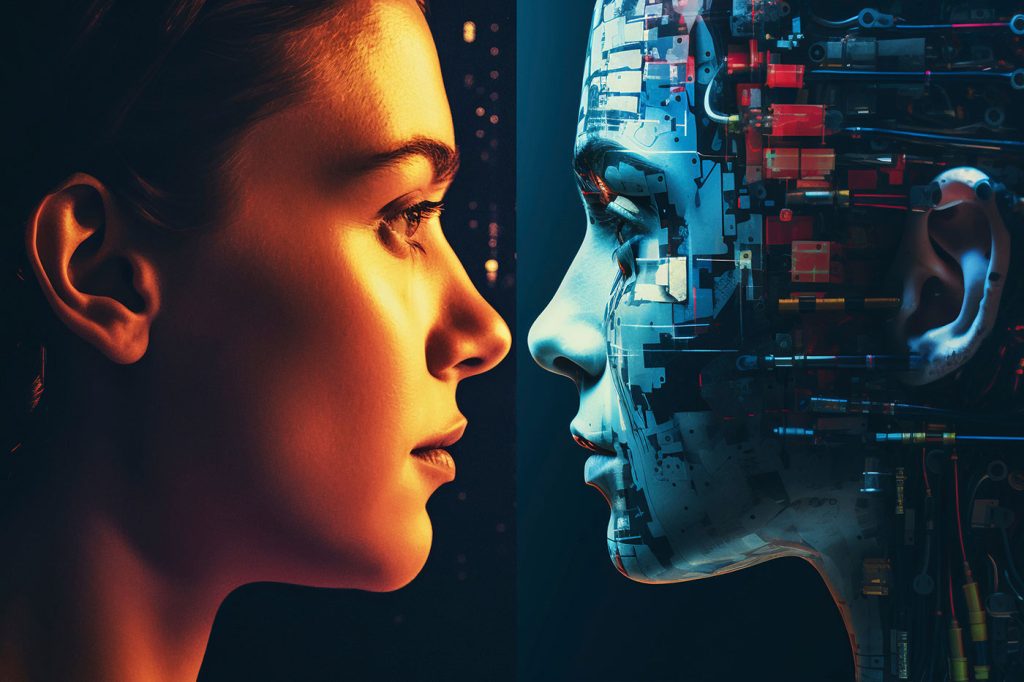
Let’s get one uncomfortable truth out of the way: web design is no longer about aesthetics, usability, or even user experience. Those noble goals have
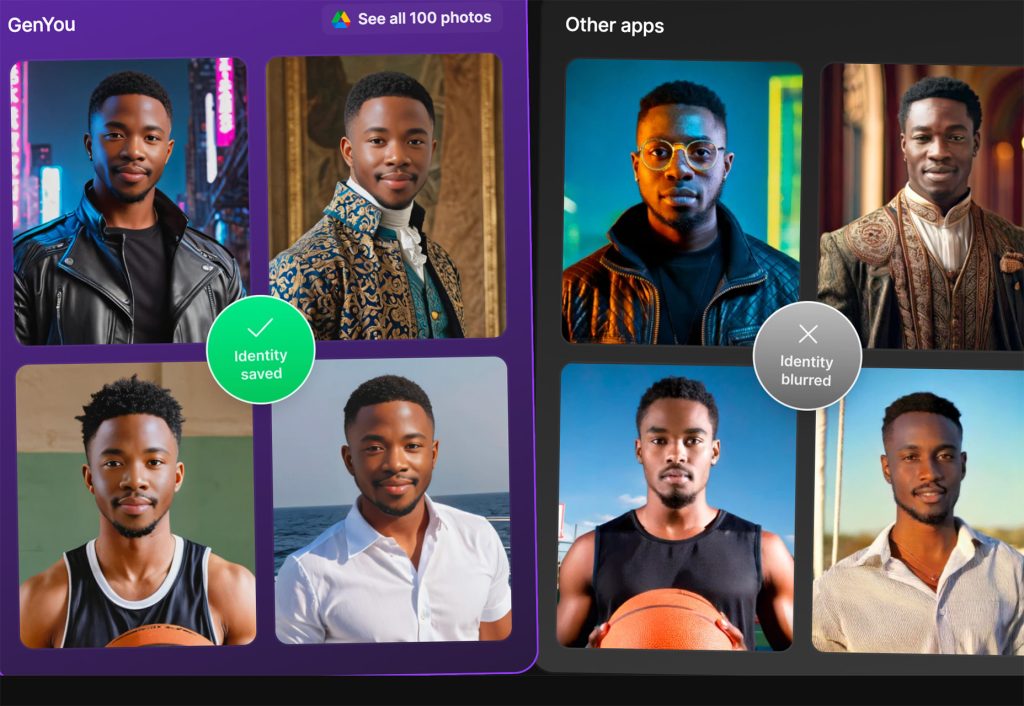
Our roundup of exciting new tools for designers is a smorgasbord of options, from open source editors to artificial intelligence tools are designed to
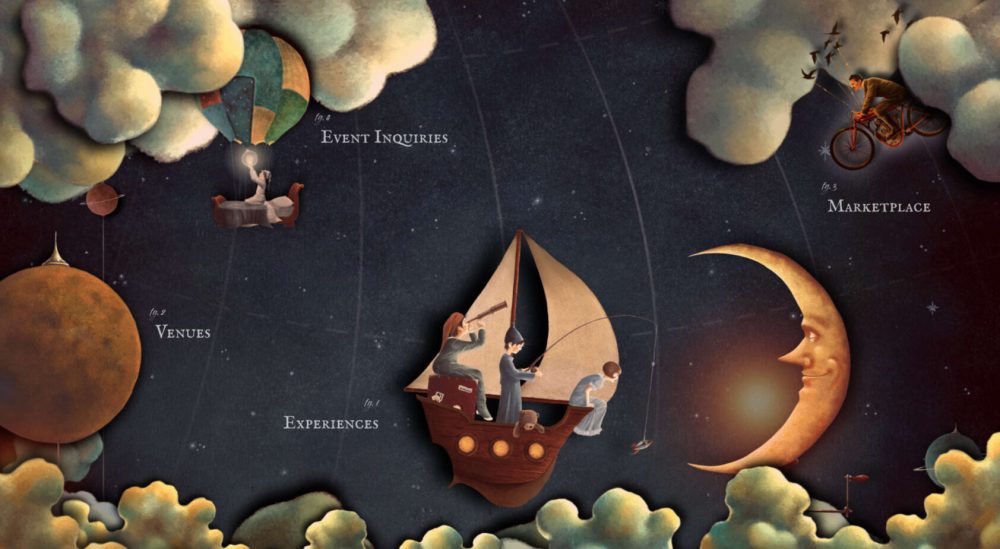
Pictures cross-language and literacy barriers, allowing people to understand and communicate complex moods and feelings that they cannot in words. Whe

When it comes to on-page SEO, there’s one element that plays a pivotal role in both search engine rankings and user engagement: the HTML title tag. Of
We are a dynamic information platform dedicated to delivering timely, relevant, and reliable content across a broad spectrum of topics. From the latest in technology and business to lifestyle, health, and global affairs, we aim to keep our readers informed and inspired.
Our editorial team is committed to maintaining high standards of accuracy and clarity, ensuring that every article provides value and context in an ever-changing world. We believe in the importance of accessible knowledge and strive to make complex topics understandable for everyone.
Whether you're here to stay updated on current events, explore thought-provoking features, or simply learn something new, our goal is to offer a trustworthy source of information that meets the needs of a diverse and curious audience.