Fluid teams: the way you’ll work for the rest of your career
This is not a management article. Well, it kind of is, but please leave your agile-lean-workplace-organization-human-resources backpack at the door. W

That starts with having the right marketing tools and resources to facilitate your design career. But it takes more than having these tools at your disposal. You also need to use them.
Here are five marketing tools every designer needs to be successful.
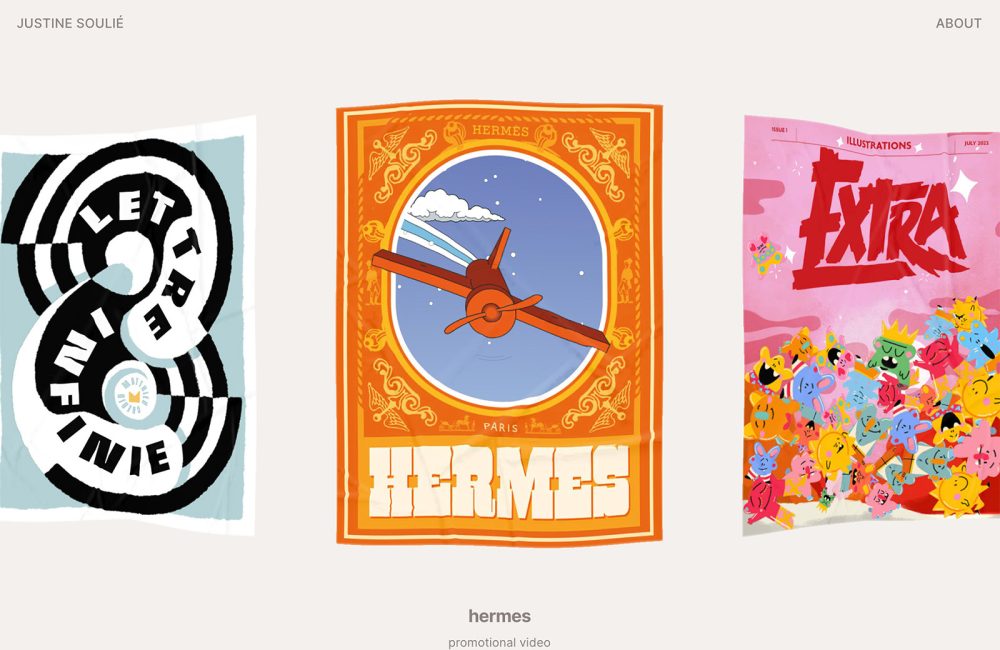
The tool everyone needs for marketing their designs – from employment to networking to awards entries – is a solid website portfolio. While most designers opt for a complete website, a simple landing page will do.
This is a tool to help you show off your design skills and the work you have done. It’s also an excellent tool for helping you get additional work, such as freelance gigs, or expand your daily role. Design elements on your website portfolio might differ from what you do daily, making this one more place and way to show your increased value and skills.
It’s important to create a well-designed website. A poorly constructed web portfolio can have the opposite of your intended marketing impact.
If you aren’t adept in website design, find a suitable site builder, template, or web designer to create the site for you. This is likely your most used marketing touchpoint and first impression; it must accurately reflect your work and skills.
How do you keep up with clients and contacts? A customer relationship management tool is a vital resource that can help manage client interactions, streamline communication, organize client data and information, and create better business efficiency.
A solid CRM can do everything from help keep track of leads from your website or email marketing to allow you to keep notes on contacts. This ensures you know your clients well and can communicate with them correctly.
While a CRM may be less important if you work for another company – you likely use the tool at work – it becomes vital as you go out on your own with freelance clients or an independent business.
You can almost think of a CRM as a great business assistant!
As a designer taking part in some marketing activities, it is important to build a list of contacts – they might come from your CRM or another source – and regularly communicate with them. The most popular option is through email, with text messaging (SMS) growing at a rapid pace.
A good email marketing client or SMS tool is one that allows you flexibility in design. Your email or text marketing should showcase your skills and what you do. It should be an extension of your brand of design.
But what kind of messages can you send? How is the marketing tactic beneficial for designers?
As you are thinking about how your marketing efforts may have an impact, one of the best tools available is Google Analytics. It can tie together all of your efforts as you funnel people toward your website.
Google Analytics can provide valuable insights for tracking website and online performance, and data can help inform design decisions and help you optimize your websites and digital content.
A few key things to think about when using this tool for design marketing include:
Overall, Google Analytics data can help designers make informed decisions about the long-term evolution of their website design, ensuring it aligns with changing user behaviors and needs. And one of the best things about this tool is that it is free.
One of the best marketing tools for designers is professional networking and development. Get involved in professional organizations and make connections outside of your usual circles.
Whether you work for an agency or independently, this networking can lead to increased business and opportunity. (It can also be a lot of fun to get more involved in the greater design community and give back to your field through organizational volunteering.)
Depending on where you live, there are a number of different professional organizations that are ideal for creative involvement. Look for a local chapter where you live.
Some of these organizations include:
Without a doubt, it is important for designers to have some marketing knowledge. This can help you advance your career and find more opportunities, from solo gigs to new full-time employment.
The best part is that many of the marketing tools here just require your time and effort. There aren’t a lot of up-front costs, just a desire to learn something new. What are you waiting for? There’s nothing to lose!

This is not a management article. Well, it kind of is, but please leave your agile-lean-workplace-organization-human-resources backpack at the door. W

In this blog post, we’ll dive deeper into the typographic logo approach, explain why they’re such a strong option, and deliver some tips for designing

Let’s be real—the internet is broken. It’s a mess! Once upon a time, it was this wild, open frontier, a digital playground where anyone with a dial-up

With mobile internet usage eclipsing desktop-based web browsing, it’s more important than ever for websites to be built with an emphasis on speedy pag

Designing mid-level feature pages is one of the hardest parts of building or revamping your website. How do you divide your business into neat, tidy s

With Instagram, Snapchat and other “young” social media platforms taking over the internet, Twitter still remains one of the most popular marketing ch
We are a dynamic information platform dedicated to delivering timely, relevant, and reliable content across a broad spectrum of topics. From the latest in technology and business to lifestyle, health, and global affairs, we aim to keep our readers informed and inspired.
Our editorial team is committed to maintaining high standards of accuracy and clarity, ensuring that every article provides value and context in an ever-changing world. We believe in the importance of accessible knowledge and strive to make complex topics understandable for everyone.
Whether you're here to stay updated on current events, explore thought-provoking features, or simply learn something new, our goal is to offer a trustworthy source of information that meets the needs of a diverse and curious audience.