7 lessons Game of Thrones offers designers
Game of Thrones, based on George R.R. Martin’s Song of Ice and Fire book series, has captivated audiences for five seasons now, with a sixth already i


Understanding the true value of the work we do is one of the first lessons many of us learn. Turning away spec work, focusing on growing the skills that are important to us, and using those skills efficiently are among a few things we all go through early on.
When it comes to valuing our expertise from person to person, there are so many variables that come into play that it’s extremely hard to give a good answer. Every situation is unique, and while one person may benefit immensely from learning a new language, many others may not.
Despite this, I want to give you a general guide to understanding not only the value of your skills and how to sell them, but also how to properly expand your unique skill set to be more marketable.
The tech industry as a whole is still quite young. At its boom in the early 2000s, there were little to no resources commonly available for people wanting to learn. People who wanted to keep up with web design trends and immerse themselves in design knowledge had nowhere to turn but a traditional art education for quite some time for a traditional degree. Consequently our industry is one of the few that counts self-taught individuals as not only equal, but often more desirable than those with traditional educations.
Back then, before there were courses focusing on these skills, individuals striving to learn about these subjects had no choice but to go out in search of them on their own. This often meant having nowhere to turn but the Web itself; and they learned by hands-on tinkering and exploring. Nobody simply fell into an internet-related degree out of half-interest and being lazy because they literally didn’t exist in schools yet. Only those curious and/or passionate enough about the industry to begin with sought out these skills and improved upon them on their own.
[pullquote][we’re] here because we’re passionate about what we do…if we weren’t, we wouldn’t have picked up the skills in the first place[/pullquote]
Today, there are a plethora of educational resources out there both in terms of university degrees and solutions online. But due to the fast-paced nature of our industry, we’re also expected to learn a lot on the job and keep up with new trends in design and development. New languages, design ideologies, workflow ideas, and even skills in marketing or other semi-related areas end up being our bed-side reading.
We’re an industry composed primarily of the get-it-done types who aren’t afraid to train ourselves when it comes to beginning or expanding an education. Because of this fast-paced, DIY education industry we also have a lot to contend with in terms of expectations. We have an industry where the vast majority of us are here because we’re passionate about what we do…if we weren’t, we wouldn’t have picked up the skills in the first place.
It’s one thing to know where you want to end up on a timeline, but it’s another entirely to properly gauge where you’re at currently. You may know JavaScript… but do you really know it to the extent you should? I want to take a second and introduce you to Impostor Syndrome. It has an unusually high occurrence within the web industry, and many of us don’t even know it exists. Individuals struggling with it have a hard time quantifying their skills/knowledge, and sometimes believe they’re frauds despite overwhelming evidence of their achievements. Having Impostor Syndrome means feelings of inadequacy despite the sometimes overwhelming evidence to the contrary. You may be the smartest, brightest crayon in the box and yet still feel like the most boring of the collection when compared to others.
The fast pace of our industry is the main reason behind this, constantly producing new resources to use, languages to learn, and ideologies to subscribe to. It’s no surprise that valuing the skills we already have is complex and problematic, never mind all the new things being thrown our way. But with that in mind, it’s easy to subdue those problems by knowing it’s a common problem. If you’re knowledgeable enough in an area to get hired, chances are that that’s good enough, and you’ve no need to worry. Each of our skill sets are unique, and depending upon your career aspirations and current jobs, sometimes learning the less-common skill is more valuable for your particular situation.
[pullquote]Striving to pick up a little of everything will leave you putting extra work into using those skills regularly enough to keep your working knowledge of them up to date[/pullquote]
Having an immense skill set can be a powerful tool in providing employment and learning opportunities… But it can also hold you down and choke you into giving up entirely. Keeping up with a large skill set is much more practical when the skills are closely related, such as multiple front-end languages or multiple back-end languages. Striving to pick up a little of everything will leave you putting extra work into using those skills regularly enough to keep your working knowledge of them up to date. This is why there are many titles that cover closely related skills, like front-end and back-end developers, because those skill sets are much easier to maintain.
Having a focused skill set can also make you much more marketable as well. Instead of listing half-related skills on a résumé or application, you can pride yourself on excelling at what you do. Employers typically want someone who can do the most from their position. If it’s possible to hire one guy to take care of two guys’ jobs, it’s more economical to do so. Not only is it more efficient, but the employer doesn’t pay as much as they would hiring two positions, while the single guy gets a larger salary for being so skilled (and thus, valuable).
Typically, the more useful and skilled an individual is, the more he or she could charge for their services. Full stack developers are much more sought after than a pure HTML/CSS or JavaScript developer, and because of that they’re usually paid more. It’s enough of a pay increase to make aiming for these types of positions a solid goal for us, and for employers it’s also less costly than hiring multiple people to take care of the same work.
Having a goal or endgame when deciding which skills to pick up is always a great idea. Whether it’s picking up something minor, like a new CSS preprocessor, or learning the next major language like JavaScript, both are better served with goals. When we’re learning with the intent of becoming more marketable, it’s easy to look at current job descriptions to get an idea of where we should be heading. If your goal is to become a full-stack developer and you only know HTML and CSS, then you already have a solid list of skills to expand into!
[pullquote]This is a “choose your own adventure” story that you can’t mess up by making the wrong choice[/pullquote]
But which of those skills should you prioritize learning, and which ones are more valuable independently? Both of those questions are what makes valuing skills hard as they’re dependent upon other variables. For instance, both PHP and JavaScript are typically needed to be considered a full-stack developer, but which one is more valuable depends on your work. If your work primarily consists of WordPress or other PHP-based projects, obviously you should focus on expanding your PHP knowledge first. However, if you’re building out a project with a team on AngularJS, JavaScript is more valuable in that situation.
That’s the benefit of our industry, there is no perfect path. This is a “choose your own adventure” story that you can’t mess up by making the wrong choice, because there is no ‘wrong’. This is how you expand your skill set with a purpose, deciding which skills are more valuable to you in your ideal career goals will make you much more marketable than trying to aim for everything at once.
Setting out a timeline of where we want to be going in our careers is a tremendous help when it comes to choosing where to expand our knowledge. Being able to lay everything out to prioritize where we want to end up helps give up a limited number of options in a scenario where the options are limitless to begin with. This isn’t to say you can’t become a traditional designer who knows JavaScript better than HTML/CSS, and if you can do that and be marketable… fantastic!
In the end, it’s all about learning how to step back and evaluate where we want to be going, and how to get there while keeping ourselves marketable.
Featured image, aspiration image via Shutterstock.

Game of Thrones, based on George R.R. Martin’s Song of Ice and Fire book series, has captivated audiences for five seasons now, with a sixth already i

Initially presented as an upgrade for Android 12, Material You is the biggest revision to Material Design since its launch in 2014 and will be rolling

Web design as we know it is barely recognizable when compared to the first websites that graced the internet in the mid-’90s. From the garish, blink-f
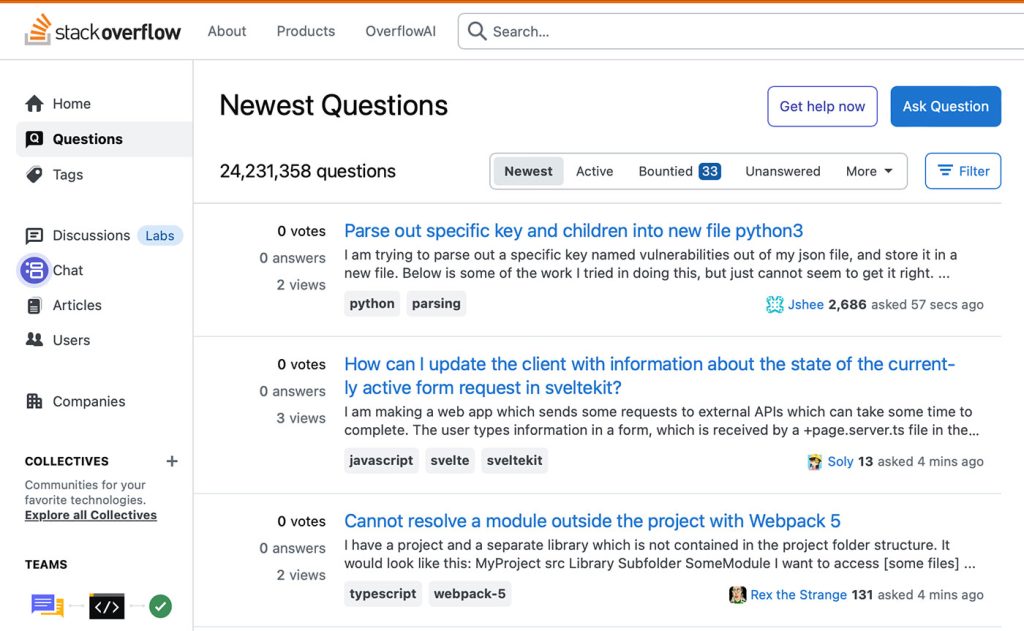
In the early days of web development, Stack Overflow was a lifeline. It was where developers turned for answers, code snippets, and discussions about

While web design has become a hot commodity in today’s competitive market, many clients still don’t have a clear understanding of what exactly they ar

Alright, it’s time for some tough love: breadcrumbs are dead.And before anyone accuses me of disregarding 20+ years of usability studies and web desig
We are a dynamic information platform dedicated to delivering timely, relevant, and reliable content across a broad spectrum of topics. From the latest in technology and business to lifestyle, health, and global affairs, we aim to keep our readers informed and inspired.
Our editorial team is committed to maintaining high standards of accuracy and clarity, ensuring that every article provides value and context in an ever-changing world. We believe in the importance of accessible knowledge and strive to make complex topics understandable for everyone.
Whether you're here to stay updated on current events, explore thought-provoking features, or simply learn something new, our goal is to offer a trustworthy source of information that meets the needs of a diverse and curious audience.