Freelance mistakes you’ll probably make
Working as a freelancer means that your business is all about you. You’re the sole person in charge of making the tough decisions. You’ll decide how t


“UX design doesn’t work…And it won’t make us money.”
Business executives aren’t all that fond of UX design, or even design in general. It’s an incredibly common problem.
Too many executives see good design as an inconvenient expense. At a certain point, executives see UX design as an unnecessary cross to bear. A burden they’re expected to tolerate. If another department needs more money in their budget, design departments are hit first.
You know the value of good UX design, they don’t and that’s the problem.
What do Apple, Coca-Cola, Herman Miller, Disney, and Target all have in common? They’re all design driven companies.
The bad news?
Out of the pool of publicly traded companies evaluated by Motive, only 15 companies met the criteria of a design driven company. Others have found the same. So what does this tell us? Most companies aren’t all that interested in good design. UX design and design in general just isn’t a priority.
But you know good UX matters. You see the difference good design can make. It’s obvious, anyone can see it if they’re paying attention, so why can’t they?
Executives can’t see it because they don’t care. Not even a little bit.
They aren’t interested in design as a whole. In fact, most are looking to spend as little on design as they can. Because in their minds it’s just not worth their time.
But why?
We need to get inside their heads if we want to know the answer.
We use words like opacity and kerning and descender as a normal part of our everyday conversations. We argue about design trends, which ones are worth embracing, which ones to avoid. We obsess over tiny, seemingly insignificant details, because we understand the importance small details make.
We’re critical of ourselves and other designers in general because we understand the consequences of poor design on a deep and intimate level.
It’s intense.
And none of that matters. Not a single shred of our world matters to the vast majority of executives. That’s a very big problem.
When it’s time to teach executives about the value of good UX design, we choose the wrong approach. We use the wrong vocabulary. Instead of speaking their language, we speak our language.
Almost immediately, executives glaze over and tune out.
This inevitably leads to:
This wouldn’t be happening if executives understood the value of good design, but most aren’t even willing to hear us out. How on earth are we supposed to change their mind?
The competition in your local grocery store is fierce. The shelves are lined with thousands of competing products, all focused on one thing: Getting customers to buy their product instead of a competitor’s.
The grocery stores themselves are competing for your attention and your money. It’s a cutthroat environment that only a few stores and some products can survive in.
Their secret? Design.
Your local grocery store is filled with lots of subtle design elements, these elements are used to get you to buy:
There are thousands of examples like these. The process, environment, imagery, ambiance and displays in grocery stores are all designed.
And here’s the interesting part.
Grocery store executives support these design conventions wholeheartedly. Their executives have fully embraced UX design.
Can you see why?
Designers and executives spoke the same language. Executives don’t care about design for design’s sake. Rather, they view design as a means to an end. A way to attract more customers and sales. A way to grow their business.
But the examples above are manipulative and sleazy!
I completely agree. Does that mean you need to approach things the same way they did? Of course not. It goes without saying, you should be honest and above-board with everything you do. But to change an executive’s mind you’ll need to think and talk like an executive.
They’re thinking about results. They have a very specific set of problems they’re required to solve on behalf of the company. An executive’s thought process basically boils down to three basic problems.
The vast majority of their desires, goals, fears, frustrations and problems tie back to these three problems in some way. Getting customers, selling more product, making more money, it’s all part of it.
An executive’s language is based almost entirely around one of these three core problems.
What does that mean for you?
A request that’s focused on “What’s best for users” is far less likely to work. A request that’s positioned and presented properly is far more likely to succeed.
Here’s what that looks like:
See what I did there?
I know, I know it’s loathsome. The last thing many of us want to do as designers is talk business, sales or marketing. Anything but that. I get it.
Here’s the thing. When you speak the same language as executives you communicate value in a way they can understand. They aren’t as worried about looking stupid, protecting their egos or acting as if they understand the finer points of your job.
They’re focused squarely on the things that matter to them. Get these details right and they look like the hero.
Do this consistently, and they’ll slowly begin to understand
They’ll begin to see why good UX design matters. Why design, as a concept matters far more than they think. And more importantly, they’ll understand why design can help them hit the goals they’re desperate to achieve.
Pitch your ideas the right way, get inside the mind of your executives and you still may fail. That’s part of the risk. That risk drops dramatically however, if you’re focused on them.
Pursuing things this way sends an important message. It shows executives that you understand them. That you’re willing to take their concerns seriously and you’re willing to invest in them.
This is huge because it shows you have potential, that you’re someone they can count on for the future. All because you decided to speak their language.
They’re wrong, but they don’t know it. Their subconscious impression is, UX design doesn’t work and it won’t make us money.
Business executives aren’t all that fond of UX design, or design in general. It’s viewed as fluff, an unnecessary cross to bear.
It’s up to you.
You know the value of good UX design. You can change their perceptions, but only if you can speak their language. Start small, showing executives you can make a difference. With consistent effort and lots of patience, your company can become a design driven company.

Working as a freelancer means that your business is all about you. You’re the sole person in charge of making the tough decisions. You’ll decide how t

Your business is starving. You’re struggling to get the clients and projects you need to keep your business going. Sometimes, it feels like you’ll nev
Building a product from scratch isn’t easy, but it can be a very rewarding process. When I had the idea for Revue, I decided to act on it immediately.

There’s a buzzword circulating in tech forums and developer communities that’s hard to ignore: vibe coding.You might have seen it tossed around, somet

Whether your style is bold, soft, or somewhere in between, we’ve got something perfect for you. So let’s take a look at some of this month’s must-see
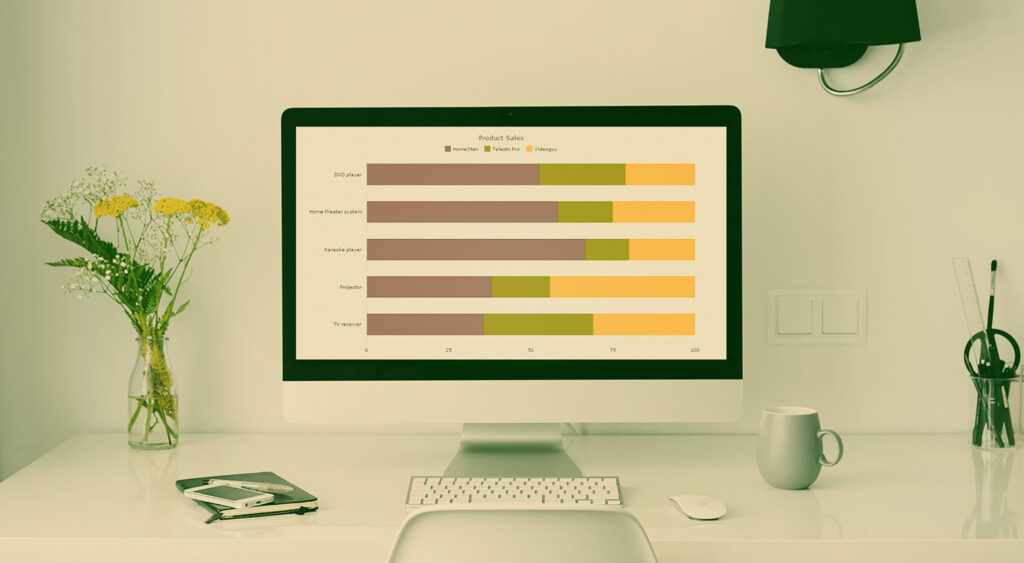
Data is all around us, and its visualization has already become an essential part of our lives. Charts, infographics, maps, and dashboards are in grea
We are a dynamic information platform dedicated to delivering timely, relevant, and reliable content across a broad spectrum of topics. From the latest in technology and business to lifestyle, health, and global affairs, we aim to keep our readers informed and inspired.
Our editorial team is committed to maintaining high standards of accuracy and clarity, ensuring that every article provides value and context in an ever-changing world. We believe in the importance of accessible knowledge and strive to make complex topics understandable for everyone.
Whether you're here to stay updated on current events, explore thought-provoking features, or simply learn something new, our goal is to offer a trustworthy source of information that meets the needs of a diverse and curious audience.