6 Ways to Prevent Friction in Your Design
In user experience, friction is anything that prevents users from accomplishing their goals. Friction is a major problem because it leads to bouncing,


“How do I get more clients?” It’s a question most freelancers struggle with. It’s tough to attract great clients and predictable income when you’re just starting out. It’s even harder when you end up with difficult clients and low ball projects. It feels like you’re beating your head against the wall, competing with every other freelancer online. Begging for business that will never come.
Sound familiar?
What if, instead of fighting for your client’s attention, they fought for yours? Wouldn’t it be something if you had a waiting list of amazing clients who were willing to fight for your help?
This is less about fisticuffs and more about competition. You want clients who value your services enough that they’re willing to compete with someone else to get it. Someone who’ll add themselves to a waiting list or ask about how they can get to the front of the line.
It’s a clear sign they value… well… you. This affects everything. If clients respect and admire you, they’ll trust your recommendations. It makes the transition from one-time project to repeat customer much easier. Getting clients to spend more money is easy when they like and trust you, right?
It’s simple if you follow the right path. Here’s how you do it.
Do you want customers with big projects? Short term projects? JavaScript or UX projects? Which industries are they in? It’s important to figure out who and what you want ahead of time, so you get the results you’re looking for.
Once you’ve identified the customer you want you’ll need to figure out what they want.
The more thorough your interview, the better your results later on. If you want clients to fight for your attention, this upfront work is key.
Think about it from a client’s perspective. They desperately need help. They have money, but good help is hard to find. There are plenty of people who could do the work. What they want, what they really need, is someone who knows enough about them to help grow their business.
They need an advisor who gets them.
Here’s an important secret most freelancers miss: Clients don’t want an order taker, they want an advisor. What do I mean by order taker?
An order taker gets hired to do a job. They do it, then they get paid. As far as short term goals go, this works. But it doesn’t offer much in the way of job security. If someone cheaper, better, faster comes a long, clients are often times quick to jump ship.
An advisor teaches.
They educate clients about what they want. They don’t bore their clients with unimportant details and jargon.
See the difference?
If you’ve asked the right questions you should know your ideal client inside and out.
When it comes to attracting clients, education attracts and information converts. Teach your clients something, give them something of value and they’re automatically drawn to you. Do it in a way that allows you to serve 10 or 10,000 people without you being involved directly and you have leverage.
But how?
Here’s how others have done it.
Can you see what’s happening in each of these examples? They all started with a problem, desire or goal. And the best part? Each of these examples gives their creators leverage. They receive eager, ready to buy customers who love and admire them, without being directly involved.
It’s a win for everyone.
If you’ve interviewed your ideal client (see step 1), you have what you need to create leverage.
Okay, so you’ve created an amazing resource. How do you get it into a new client’s hands?
You share it.
Advertising gets it into their hands faster, but it’s definitely not a requirement. Okay, how do you do it for free?
Wait a sec. There’s a problem.
How do you continue the conversation? How do you build a relationship with potential clients?
You attach a hitch:
Easy peasy.
Once you’ve established the hitch, set limits. How many ideal clients do you want to handle at a time? 10 a month, 15 a week? How do you work with them? What are your prices?
Establish a relationship with education first, then when your clients are ready, convert them with information.
Just make sure it’s a two way street where either you or your client can end the relationship if things don’t work out.
Because it tells you you’re an equal in their mind. This means they’re less likely to try to abuse or hurt you. They’re more open to following your advice and happy to support you.
This won’t work for me because…
I’m too new at this, or I don’t know how to do everything, or my situation is different. “If you knew my situation you’d…”
Ignore those voices.
You don’t have to explain yourself. This strategy has worked for one-man shops and large agencies. It’s worked for people in our industry. People outside of it. If they can do it, so can you.
You don’t have to create something like WordPress. It’s a mistake to think you have to create the next viral video or home run. I’ve been on both sides of this, the size doesn’t matter.
All clients care about, all that really matters, is whether you can help them. You wouldn’t be in business if you couldn’t help them, right?
So show them.
It feels like it’ll take forever. But it doesn’t have to. Some have seen results in as little as a few days. Others a few weeks. It all depends on you.
It’s a question freelancers struggle with, even though they shouldn’t. You can attract the clients and income you want, even if you’re starting out. You don’t have to deal with horrible clients and awful projects.
Solve your client’s problems with leverage and you become a invaluable resource. Do it well and they’ll be willing to beg and fight for your attention.
Do the work and it’s yours.
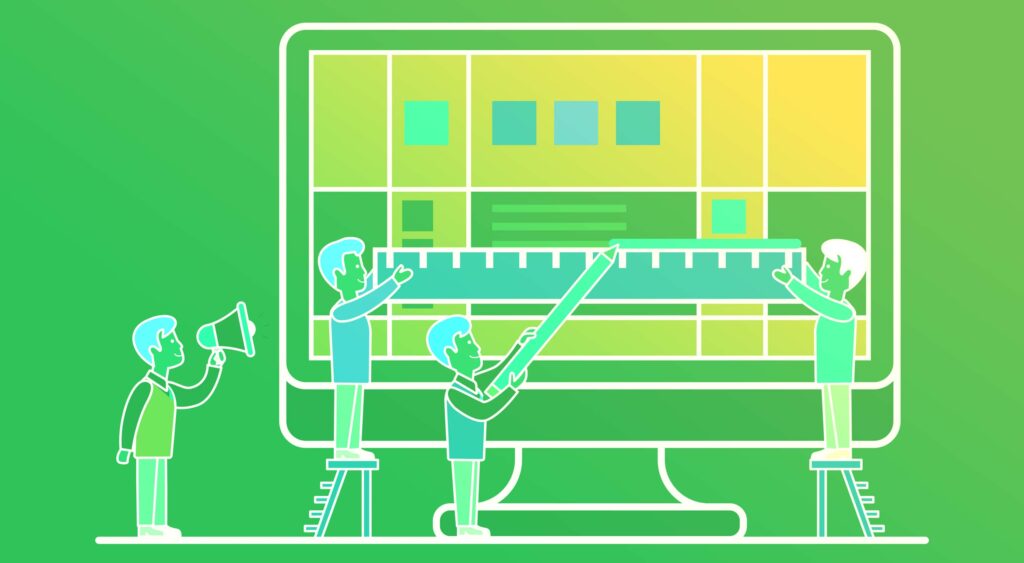
In user experience, friction is anything that prevents users from accomplishing their goals. Friction is a major problem because it leads to bouncing,
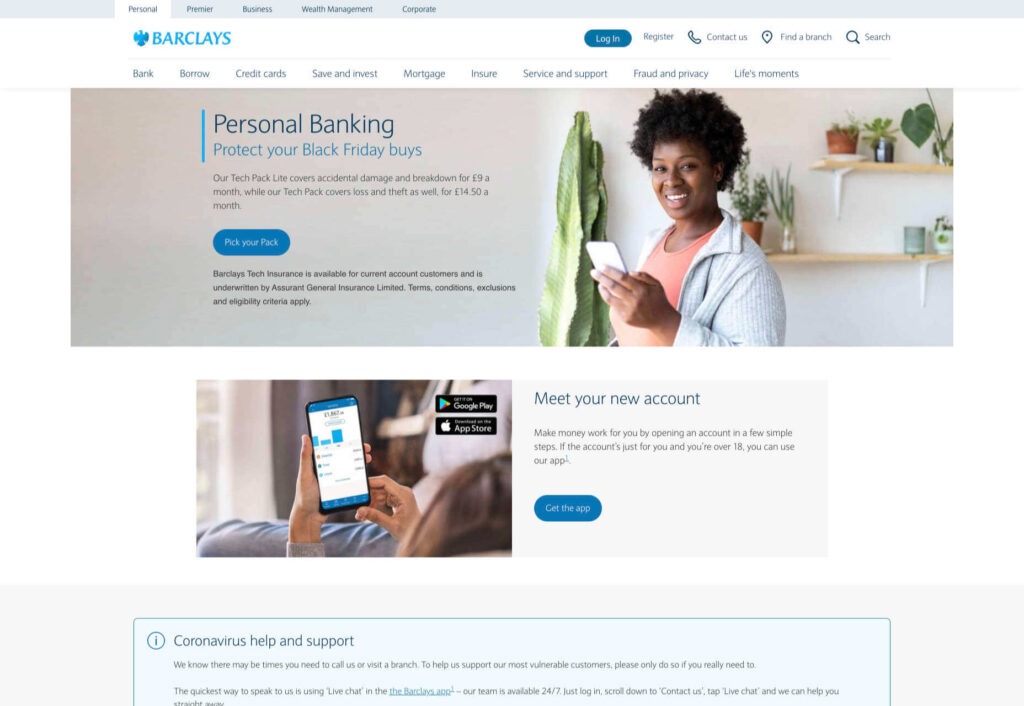
As human beings, we like to think that we’re rational creatures.We tell ourselves that we make our decisions based on fact and logic. However, that’s
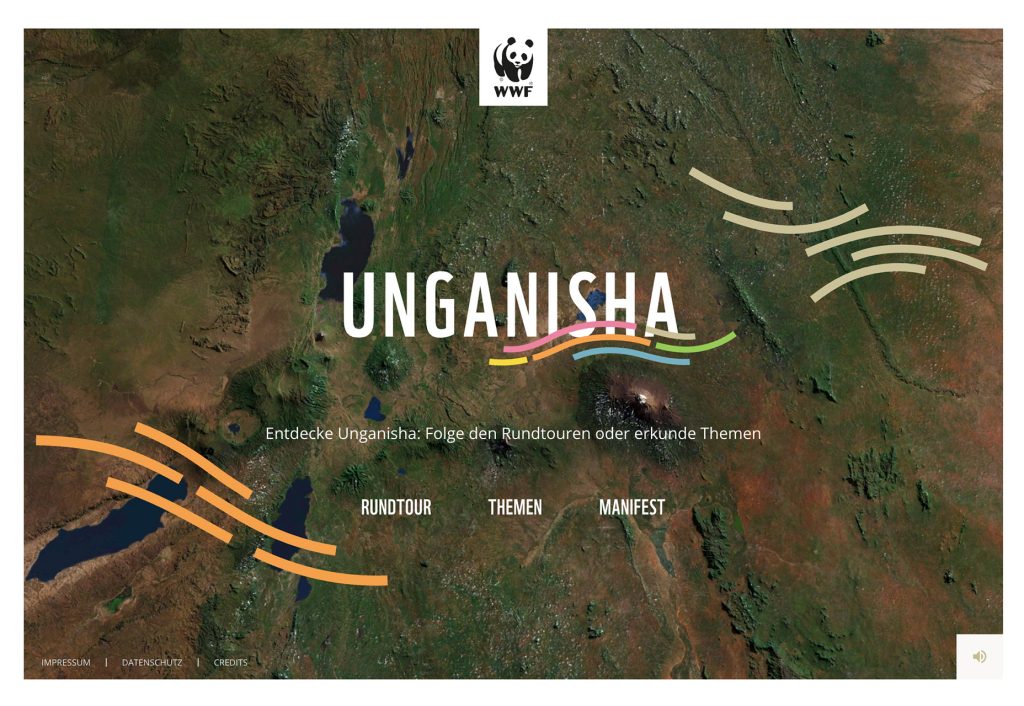
These three design trends are sure to help you generate some hot ideas in one of the coldest months of the year.Forget the cold, the web design space

Every human being needs, rather desperately, to feel accepted. They don’t necessarily need to feel accepted by everyone, but they do need to feel acce

These last few weeks running up to the Christmas break can be an endless trudge through grey, cold weather if you’re in the Northern Hemisphere or wal
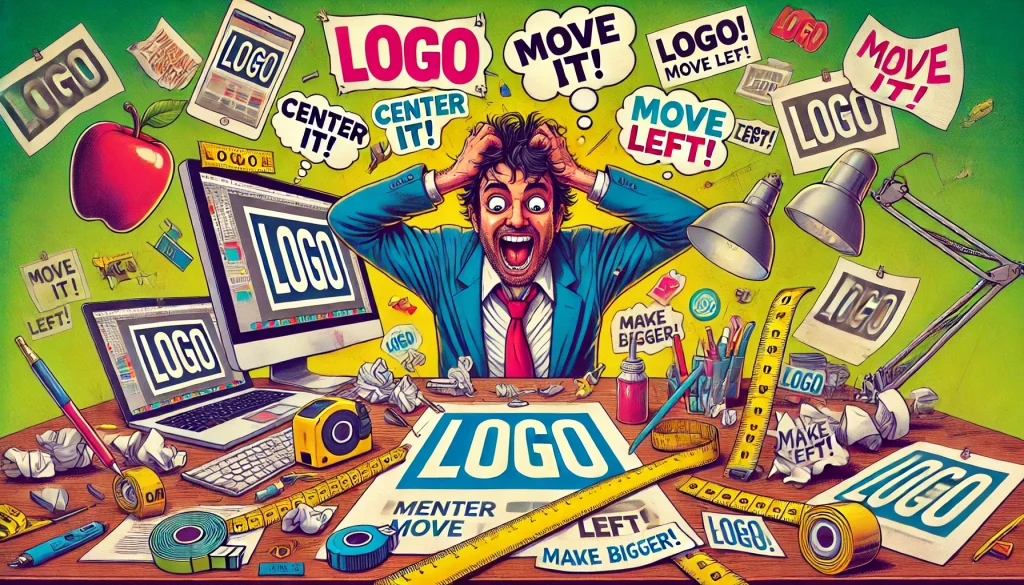
Ah, the age-old cry of “Make the logo bigger!”—a phrase that echoes across boardrooms, email threads, and designers’ nightmares.For decades, graphic d
We are a dynamic information platform dedicated to delivering timely, relevant, and reliable content across a broad spectrum of topics. From the latest in technology and business to lifestyle, health, and global affairs, we aim to keep our readers informed and inspired.
Our editorial team is committed to maintaining high standards of accuracy and clarity, ensuring that every article provides value and context in an ever-changing world. We believe in the importance of accessible knowledge and strive to make complex topics understandable for everyone.
Whether you're here to stay updated on current events, explore thought-provoking features, or simply learn something new, our goal is to offer a trustworthy source of information that meets the needs of a diverse and curious audience.