Ghost founder on how to grow a successful design career by blogging
It’s been 5 years since I last wrote, but it’s an absolute pleasure to be back once again.I’m doing a great deal more blogging these days, which isn’t

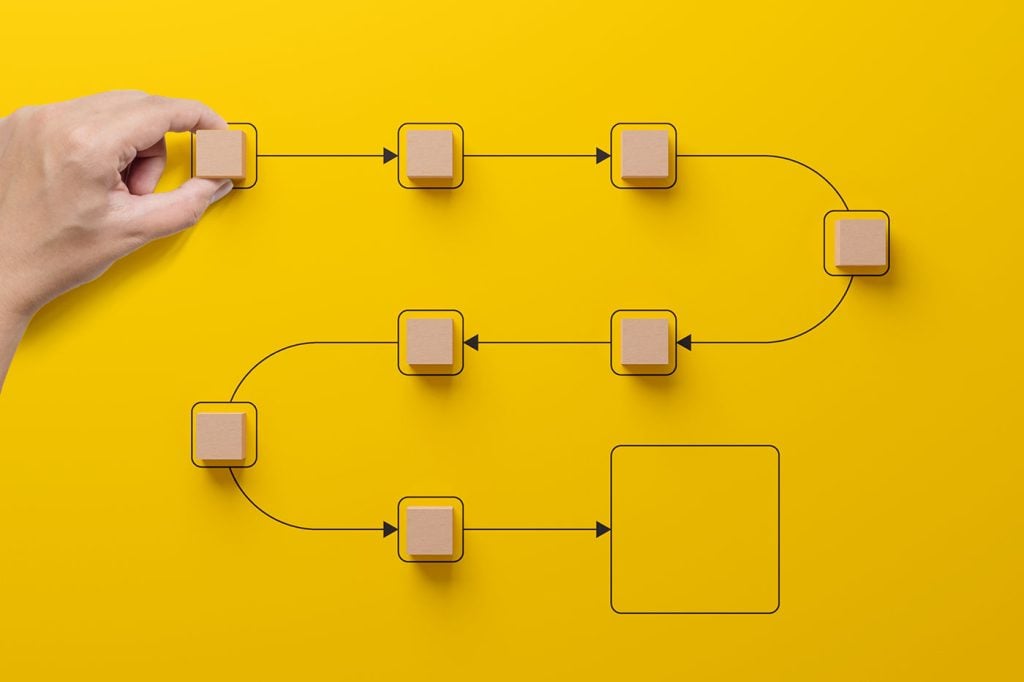
Let’s get something out of the way: “user journey” and “customer journey” aren’t interchangeable buzzwords you can toss around to sound smart in meetings. They are not synonyms, and pretending they are could be silently tanking your product, your marketing, and yes—your bottom line.
Yet in the fast-moving, jargon-obsessed world of tech and design, these terms are treated like Coke and Pepsi. Same thing, right?
Wrong. Painfully wrong.
The issue is bigger than semantics. Language shapes strategy. When we conflate “user” and “customer,” we’re not just mixing metaphors—we’re mixing entire philosophies of how we build, sell, and sustain products.
A user is someone who interacts with your product. They click, tap, swipe, log in. They’re the ones who experience the UI/UX, who give you heatmaps and session replays.
A customer is someone who pays you money. Period.
Sometimes they’re the same person. But often—especially in SaaS, B2B, freemium models, marketplaces, and ad-supported apps—they’re not.
Designing for users focuses on usability, delight, and retention. Designing for customers is about conversion, loyalty, and revenue.
Blur that line at your peril.
The user journey is often romanticized as this clean, linear narrative. First, they discover you (yay!). Then they “get it” through a silky onboarding experience. They fall in love with your product. They keep coming back. Beautiful, right?
Except—and here’s the harsh truth—that user might never pay you. They could be a tire-kicker, a lurker, or just another ghost in your database.
User journeys are great for designers. They frame the emotional and experiential arc of interaction. But users? Users don’t keep your lights on.
Now, the customer journey is a different beast. It’s not a Disney movie; it’s more like an uncomfortable Wall Street earnings call. It’s dirty. It’s transactional. It’s real.
Customer journeys aren’t built around delight; they’re built around economic exchange. If the user journey asks, “do they love us?”, the customer journey asks, “will they pay us?”
And here’s where companies screw up: they design for the wrong journey.
How many startups have gorgeous UX, glowing press, raving fans—and absolutely no viable business model? Exactly.
They obsessed over the user journey and ignored the customer journey.
If you’re offering a free tool but your “customer” is actually advertisers or enterprise buyers, designing the user journey is only half the game. You also have to design the customer journey for the people writing the checks.
Look at Spotify. Users love it. Customers—record labels, advertisers, subscribers—pay for it. Google? Users search. Advertisers spend.
If you don’t understand who your real customer is, no amount of pixel-perfect user flows will save you.
Of course, sometimes users and customers are the same. In a DTC e-commerce shop, for example, the person browsing is also the person buying.
But that doesn’t simplify things. It complicates them. Because now you have to satisfy both sides: the seamless, satisfying user experience and the customer experience that drives conversion and loyalty.
Ignore either, and you’re toast.
Let’s talk about the tension between UX designers and CX strategists.
UX owns the interface; CX owns the relationship. UX asks, “Is this easy to use?” CX asks, “Will they come back and spend more?”
The best companies get that this isn’t an “either/or” situation. It’s an uneasy, high-stakes collaboration.
Yet too often, UX fights for delight while CX fights for lifetime value, and the poor customer—who is also the user—is caught in the crossfire.
Why does this matter so much right now? Because in 2025, attention is currency. Patience is nonexistent. Trust is rare.
User journeys seduce. Customer journeys convert.
If you’re only mapping one, you’re leaving opportunity—and revenue—on the table.
Designers, marketers, PMs: stop pretending these terms are interchangeable. They’re not.
Build user journeys that create loyal fans. Build customer journeys that create loyal customers. Better yet, build user-customer journeys that do both.
Because in the end, “delightful” doesn’t pay the bills.
Conversions do.
What do you think? Is your company building for the wrong journey? Or are you one of the rare few bridging the gap?

It’s been 5 years since I last wrote, but it’s an absolute pleasure to be back once again.I’m doing a great deal more blogging these days, which isn’t

Sometimes, being a web designer is more than just creating a beautiful, functional website. You may have to play different roles depending upon the si
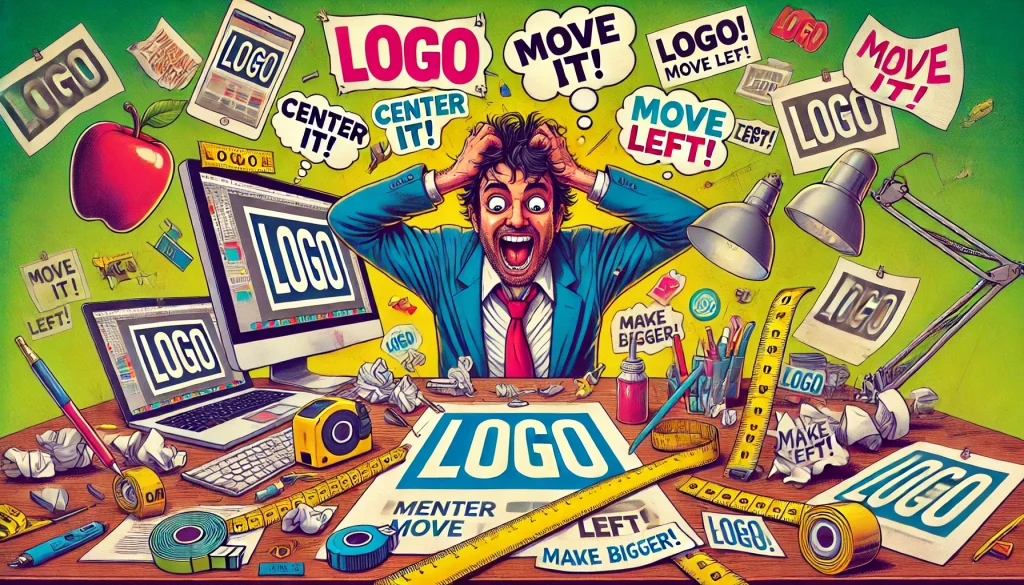
Ah, the age-old cry of “Make the logo bigger!”—a phrase that echoes across boardrooms, email threads, and designers’ nightmares.For decades, graphic d
Let’s talk about something that’s been bubbling under the surface of tech conversations lately: AI agents.Now, I know—just reading the phrase “AI agen
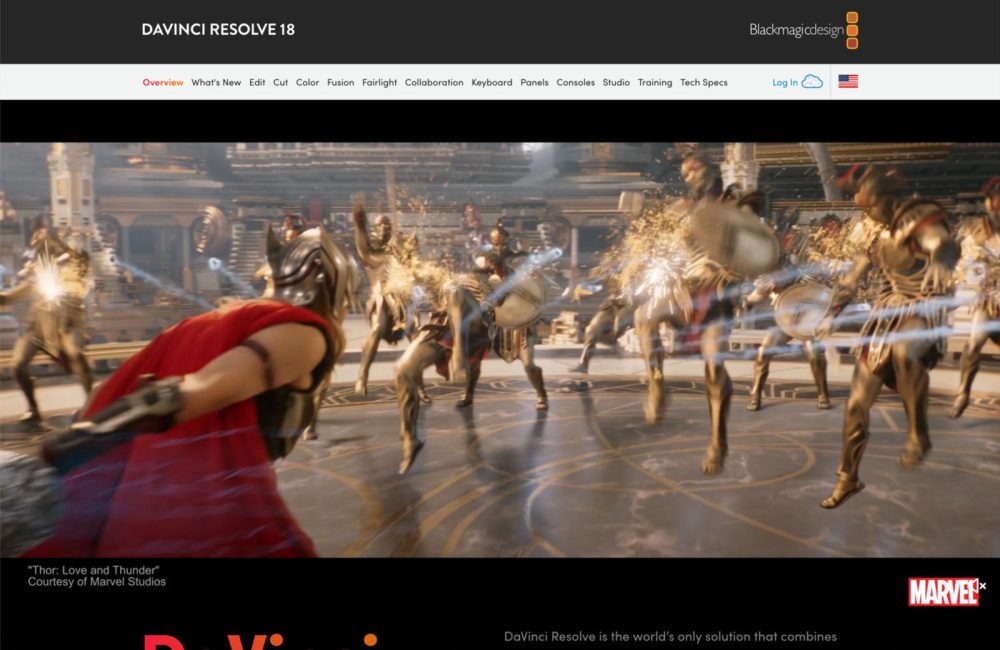
And so, we’ve put together this comprehensive guide to the best video editing tools in 2023 to help you find the right balance of ease of use, power,

Ever wondered what happens when AI gets creative?Enter Extraordinary Things, a project by Yashas Mitta that brings AI-generated surreal designs to lif
We are a dynamic information platform dedicated to delivering timely, relevant, and reliable content across a broad spectrum of topics. From the latest in technology and business to lifestyle, health, and global affairs, we aim to keep our readers informed and inspired.
Our editorial team is committed to maintaining high standards of accuracy and clarity, ensuring that every article provides value and context in an ever-changing world. We believe in the importance of accessible knowledge and strive to make complex topics understandable for everyone.
Whether you're here to stay updated on current events, explore thought-provoking features, or simply learn something new, our goal is to offer a trustworthy source of information that meets the needs of a diverse and curious audience.