Case Study: Redesigning Todoist for Android
Todoist is a to-do list app that 25 million people rely on every day to keep their lives organized. As part of the Doist design team’s goals for 2021,


When I quit my job 7 years ago to go freelance as a web designer, I thought I was finally free. But what I soon realized was I actually didn’t have nearly as much freedom as I thought I would.
After my first year of freelancing, it dawned on me: I’m not making money when I’m not at my computer, billing for my time. Even as I raised my rates, I found it was difficult to level up my business when I’m the only one doing all of the work.
I thought, maybe it’s time to start growing my team and scaling up. So I began to outsource some of my work. And that’s when I ran into trouble…
I slammed into many of the same pitfalls that most freelancers run up against when they begin to outsource for the first time. If you’ve dealt with any of these, then let me tell you: you’re not alone!
Almost every time I delegated a task to someone I hired early on, it only took a day before I backtracked and just did it myself. Sure, the task got done, but I was back in the same place I was before: w orking solo and stuck doing everything myself.
In the beginning, this happened to me constantly. A web page was not coded properly, or a PSD mockup design didn’t meet the standards I had hoped for. So I’d pay the freelancer, then re-do the work myself. Now I’m not only doing the work myself, but I’m paying for it!
I was so excited to hire my first virtual assistant, so I could delegate all of the low-level tasks that take up so much of my day. But once I brought them on, I found myself spending even more time just thinking up things to keep them busy. That alone, made me even busier!
Over the years, I learned lots of things the hard way when it comes to outsourcing and growing your team — especially as a freelancer, bootstrapping your business from the ground up. So for the rest of this article, I’m going to share the key lessons I learned, to help you avoid some of the same mistakes I made.
Before you can begin hiring, there’s a lot you must do to prepare. If you want to grow beyond just a one-person operation, it will require a fundamental shift in the way you approach your work, and your business.
I strongly advise freelancers who are looking to scale up, to move toward productizing your service. I don’t mean go and build the next big software product. That’s a huge leap to make, and will require lots of experience in order to gain traction. But positioning your service as a product is a much smarter first step toward growing into a more scalable business model, which can ultimately be run by a team.
When you productize your service, what you’re really doing is establishing predictability.
You’re going from taking on projects of different shapes and sizes, implementing all sorts of different solutions for different types of clients, to a more predictable, repeatable service. The more you deliver the same service, the more predictable the process is, and the easier it will be to train a team to carry out some (or all) of the tasks.
It wasn’t until I productized my service that my struggles to keep my employees busy went away. The business had clearly defined processes that needed to be carried out on a weekly basis, so it made sense to hire (and keep) people for these jobs.
Documentation is one of the most important things you can do to help your business prepare to grow. Without well documented processes and instructions, training and working with your first teammates will always be an up-hill battle.
In the beginning, when I used to outsource parts of client projects to a freelance web developer or designer, I went above and beyond to document exactly what I needed them to do, how I expected it to be delivered, and by which date.
Over time, as my business transitioned into a productized service, these documents became our standard operating procedures. These are like the engine behind our whole operation. Without our procedures, the business wouldn’t run, at least not without me doing all of the work!
If there’s one thing you can do to get closer to being ready to hire and delegate work off of your plate, it’s documenting your process for how you work.
Here are some tips:
Keep in mind, documenting procedures is a lot of work, and it will take a lot of time, especially in the beginning. But you’re investing this time up-front so that you can ultimately remove things from your plate. It’s well worth it.
Your goal is to craft procedures that will make your teammate’s jobs infinitely easier and position them for success.
Your ultimate goal as you bring on your first teammates is to free up your own time, right?
So what will you do with your free time, once you’ve successfully delegated the tasks you used to be doing? It’s very important that you give this some thought sooner rather than later. This way you can leverage your time effectively to grow your business further. That’s how you’ll see a return in investing in hiring your team.
I see two ways freelancers can go with this:
Early on, I was in this camp. As a freelance web designer, I wanted to stop doing the things I didn’t enjoy, like back-end coding and inputting content, and more of the things I did enjoy, like wireframes, design, and CSS. So I outsourced the things I wanted to get off my plate so I can focus more on design.
I eventually transitioned toward this route. As I productized my service, I no longer wanted to outsource only parts of the operation. I slowly and methodically outsourced every task in our service. Now my main role is to work on the bigger picture vision, the marketing, and helping our team work more efficiently as the business grows.
Now let’s talk specifics. I hear a lot of these questions from people on my newsletter and folks I speak to at conferences etc. So lets cover them one by one.
I don’t recommend hiring a jack of all trades, or trying to ask someone to do anything and everything in your business. I made this mistake early on, and it resulted in unfocused and unproductive work.
If you need development work done, hire a developer. Need a photoshop mockup? Hire a designer. Sure it’s helpful if they have some crossover experience, but you’ll have a much more polished finish product if you have an expert specialist for each role.
I strongly prefer remote workers. Even though I work in an office space now and I have the room to bring in a teammate or two, I’ve always found it challenging to find the perfect fit when hiring locally.
Hiring remotely opens up a worldwide talent pool to select from. Plus, you can take advantage of the worldwide marketplaces like ODesk, or Elance. If you’re hiring web designers/developers, I also recommend AuthenticJobs.
I have always (and continue to) work with a mixture of both. Each has its advantages and disadvantages, depending on the role you’re hiring for.
There are also some very common misconceptions. Hiring overseas in places like the Philippines and India is commonly associated with low quality, unreliable, and flaky results. I certainly have worked (briefly) with less than desireable workers, but I also found some of the best, brightest, and most talented teammates I could ever ask for overseas.
Hiring domestically might make more sense if you have the budget for it and you need a teammate with a higher level of experience. It also might help in situations where the person will be client-facing in person or over the phone or skype.
As a freelancer working on a project-by-project basis, a temporary contractor makes the most sense. It’s easy to budget for the cost of hiring a contractor when you know exactly how much you’ll be making on the project.
But as you begin to attract a consistent stream of work, or if you’ve productized your business, it might make more sense to transition a contractor over to a regular weekly part-time schedule. I prefer this route because I like to build a long, strong working relationship with each of my teammates, rather than constantly jump from contractor to contractor.
I don’t recommend hiring a full-time (40 hours/week) until the need is there. When you’re bootstrapping, you can often make do with having a worker work 20–30 hours per week for a while. This might also be preferable for them as well, if they’re balancing other obligations like other clients, a family, or a side project.
First and foremost, I always look for people with outstanding communication skills — no matter which role I’m hiring for. A great communicator will always be a fast learner and often cares more about their work.
During the hiring process, I recommend a multi-tiered interview. Start with a few questions over email to guage their written communication style. Then move to a Skype video interview. I sometimes do two or more video interviews with candidates as I narrow down the shortlist.
Another way to ensure it will work out is to start with a (paid) trial period or a trial project. Although I call this a “trial” project, I often give them a piece of a real project to work on, but something low-priority. First, at least something productive will get done, and second, I get a sense for what they’re really like to work with when “when it counts.”
If there’s one piece of advice I hope you come away with from this article it’s this: you’ll never get it 100% right the first time you outsource. Like anything else, it requires lots of trial and error before you learn what works and what doesn’t in your particular situation.
Just remember, your goal is to remove yourself and gain more freedom. So it’s worth the long journey into outsourcing to get there!
Featured image/thumbnail, network image via Shutterstock.
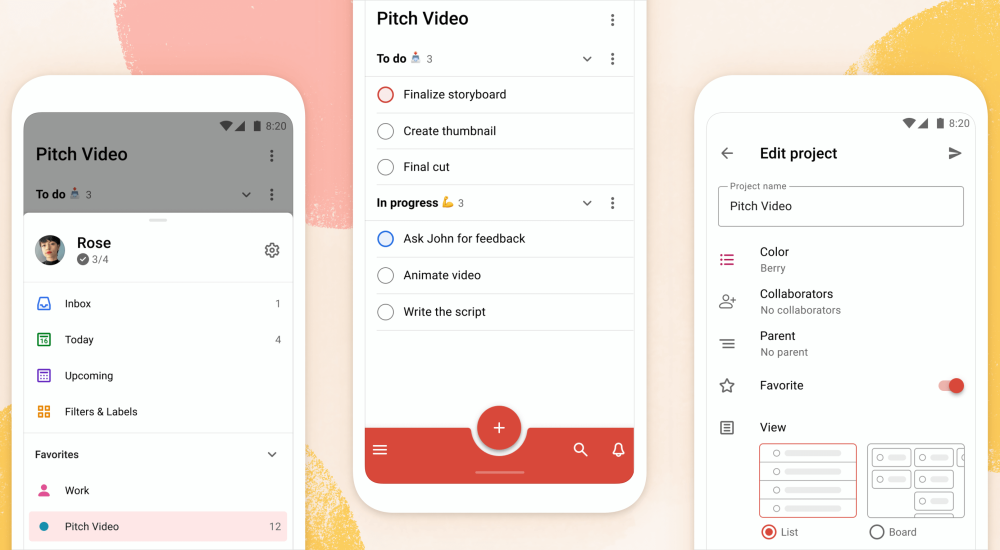
Todoist is a to-do list app that 25 million people rely on every day to keep their lives organized. As part of the Doist design team’s goals for 2021,

“It looks great, but can you make it ‘pop’ more?”We’ve all been there, the dreaded subjective design feedback, no use to anyone; let’s stop a moment a

It sort of feels like our lives are nothing more than an endless string of decision-making, doesn’t it? You go to the grocery store and half an aisle

If you’ve been in tech for more than five minutes, you know salaries swing harder than a startup’s “pivot” plan.In 2021, it felt like everyone and the

Tricking people can be… well… tricky. The problem, at its most fundamental level, is that people only like to be tricked when they expect to be tricke
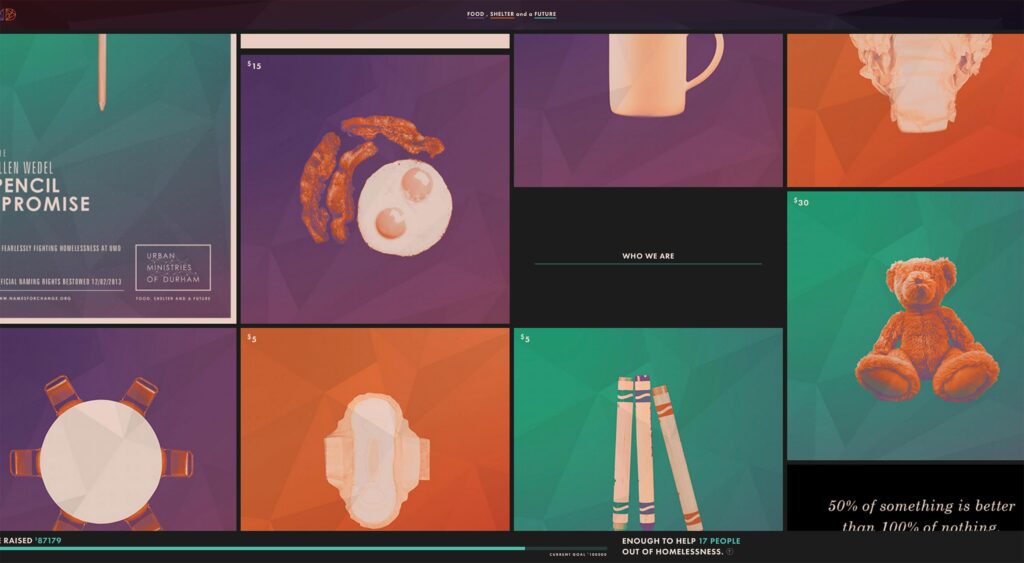
There are definite right and wrong ways to design navigation menus. This basic part of a website is often overlooked in the design process and it show
We are a dynamic information platform dedicated to delivering timely, relevant, and reliable content across a broad spectrum of topics. From the latest in technology and business to lifestyle, health, and global affairs, we aim to keep our readers informed and inspired.
Our editorial team is committed to maintaining high standards of accuracy and clarity, ensuring that every article provides value and context in an ever-changing world. We believe in the importance of accessible knowledge and strive to make complex topics understandable for everyone.
Whether you're here to stay updated on current events, explore thought-provoking features, or simply learn something new, our goal is to offer a trustworthy source of information that meets the needs of a diverse and curious audience.