Exclusive Infographic: WordPress by the Numbers
What is WordPress? It began as a simple CMS for building a blog, and it has evolved over the years into a complex ecosystem of tools and resources.Wor


Let’s start with a gentle truth: web design in 2025 no longer means what it used to. And that’s okay.
Once, it meant Photoshop mockups and pixel-perfect slices handed to a developer like sacred scrolls. Then it meant responsive grids and UX flows. Then it meant component libraries, design systems, and pretending the client’s cousin didn’t completely ruin your perfect layout with a WordPress plugin.
Now? In 2025, web design is more like gardening. You don’t build a site and walk away. You cultivate it. You prune what isn’t working. You nurture what grows. You learn to live with a little wildness.
Design in 2025 isn’t just about “making it pretty.” That’s a dated idea—like thinking good parenting is just about dressing your kid nicely.
Yes, visual aesthetics still matter. But now they sit quietly beside other, equally important questions:
Web design today is about invisible labor. It’s the deep stuff. Structure. Anticipation. Empathy. It’s not about trends—it’s about truth.
We’re surrounded by AI tools now—generators that promise websites in minutes. Templates with more personality than half of LinkedIn. And yes, Figma can now practically finish your thoughts.
But this hasn’t made us obsolete. It’s made our judgment more valuable.
Designers in 2025 aren’t just moving pixels—they’re curating complexity. Knowing what not to include. Knowing when to simplify. Knowing that a fancy animation isn’t worth it if it obscures the point.
The tool doesn’t make the craft irrelevant. It makes the craft even clearer.
One of the humbling realities of 2025 is that your users might be AI agents. Or someone viewing your site on a TV fridge. Or an elderly user who’s never tapped a hamburger menu in their life.
So web design today is an act of radical hospitality. You’re making a place that welcomes people across bandwidths, languages, abilities, and attention spans. You’re building a digital home—not just a homepage.
That means design systems are more flexible. Accessibility is non-negotiable. And empathy isn’t a buzzword; it’s your most valuable UX tool.
Minimalism had its decade. Brutalism flirted with us. Neumorphism came and went like a well-dressed ghost.
In 2025, we’re seeing fluidity. Interfaces that feel alive. Layouts that adapt in real time. Color palettes that respond to user mood. Motion design that whispers, not shouts.
Websites no longer feel like pages. They feel like spaces. Liminal, interactive, a bit unpredictable—in a good way.
And yes, skeuomorphism is back (sort of). But now it’s thoughtful. Playful. It nods to the physical world without drowning in nostalgia. Think: Apple’s liquid glass. A shimmer, not a throwback.
Web design in 2025 is more interdisciplinary than ever. You’re not working alone in a tool anymore—you’re in live files with strategists, product people, brand designers, developers, researchers, AI copilots. And sometimes, yes, your client’s nephew who wants to “learn Figma.”
The designer is a translator now. A facilitator. A negotiator of edge cases and edge personalities.
And that’s not a compromise—it’s the point.
In all the noise—tools, templates, automation, TikTok redesigns—this is worth remembering:
Web design is still a craft. It’s still a way of thinking about people, problems, and pixels with care. It still rewards patience, listening, and attention to detail.
The best web designers in 2025 aren’t the fastest. They’re the ones who know how to pause, ask why, and then build with intention.
We’re not just making screens. We’re shaping experiences. And in a world that often feels fragmented, that kind of thoughtful design? It matters more than ever.
So what is web design in 2025?
It’s quieter. Smarter. More human. Less about perfection, more about presence. And it’s still, somehow, beautifully ours…
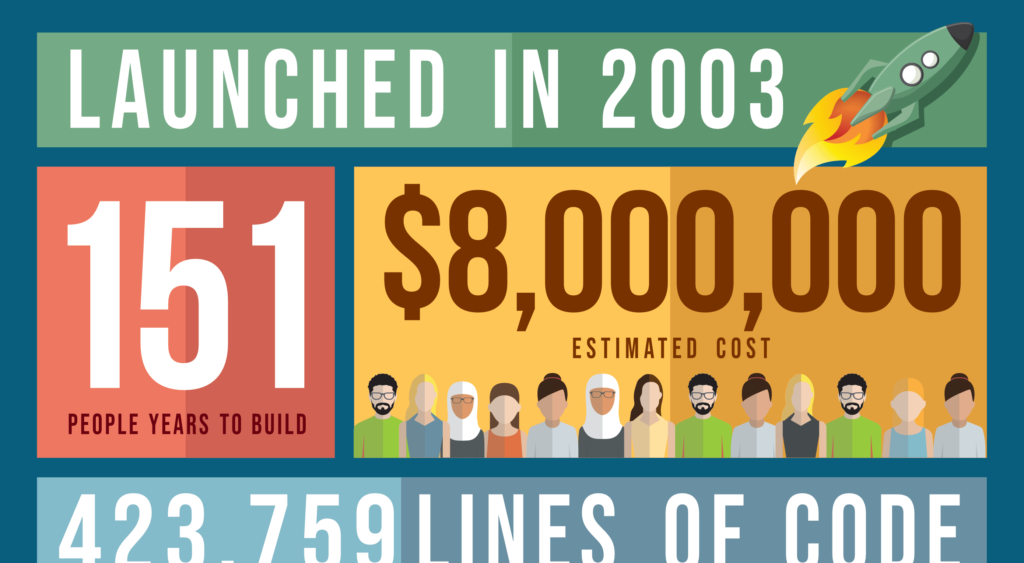
What is WordPress? It began as a simple CMS for building a blog, and it has evolved over the years into a complex ecosystem of tools and resources.Wor
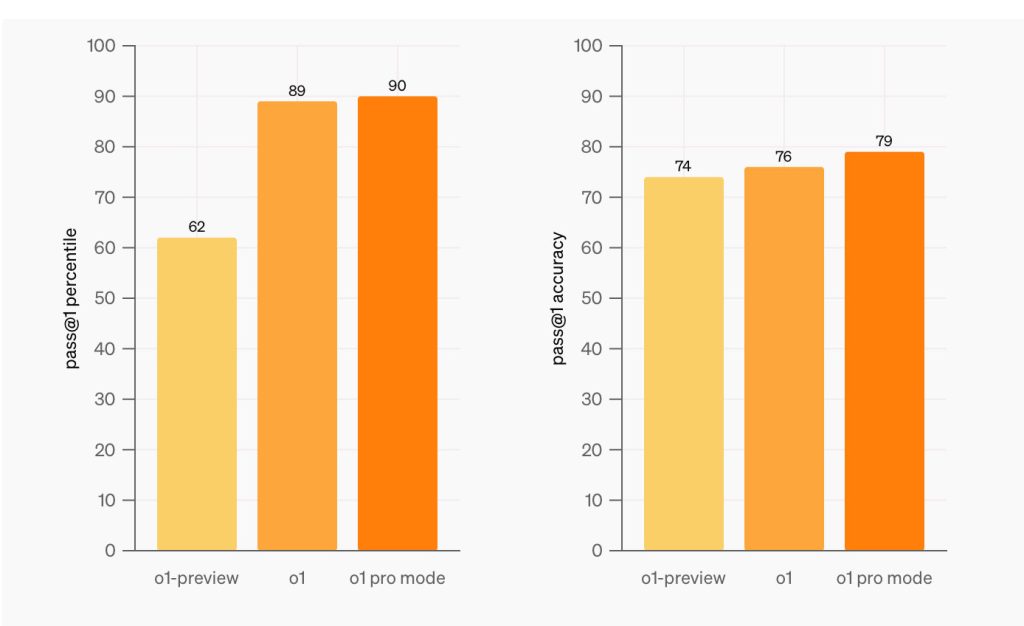
OpenAI has just leveled up its game with ChatGPT Pro, a premium subscription aimed at users who want to supercharge their coding, research, and innova
WordPress is the web’s favourite CMS (content management system), renowned for its low-entry level and vast array of themes and plugins. WordPress’s o
Everyone loves to work smarter. This list of free resources for web designers will help you find tools, themes, fonts, and other resources that can ma
Don’t try to be so damn subtle in web design.Okay, let me explain that…About a year or so ago, I made a terrible mistake: I tried to be funny; More sp
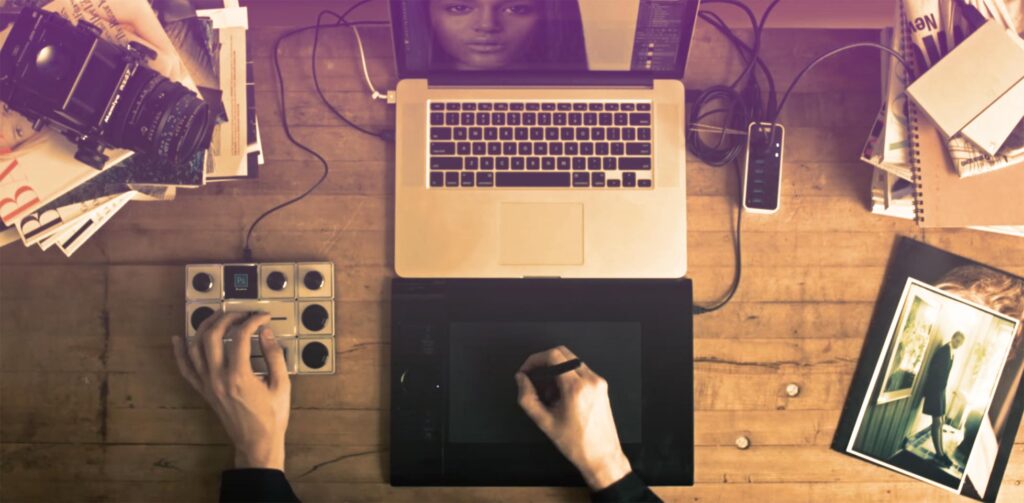
Like most people, I manipulate objects with my hands every minute of every day giving it little to no thought. I used my fingers to type this post, I
We are a dynamic information platform dedicated to delivering timely, relevant, and reliable content across a broad spectrum of topics. From the latest in technology and business to lifestyle, health, and global affairs, we aim to keep our readers informed and inspired.
Our editorial team is committed to maintaining high standards of accuracy and clarity, ensuring that every article provides value and context in an ever-changing world. We believe in the importance of accessible knowledge and strive to make complex topics understandable for everyone.
Whether you're here to stay updated on current events, explore thought-provoking features, or simply learn something new, our goal is to offer a trustworthy source of information that meets the needs of a diverse and curious audience.