6 simple rules for explaining the web to clients
One of our biggest challenges when producing client work is communicating technical information effectively with clients. Many developers in our commu


Let’s talk about the ancient art of the thumbs-up and thumbs-down — once the sacred, clumsy handshake between user and algorithm.
In the early days of the web and AI, we thought feedback would save us: “Tell us what you like,” they said. “Rate your experience,” they begged. “Give us a thumbs-up if we’re doing a good job,” they smiled, desperate for validation.
But here’s the controversial reality no one wants to admit: explicit feedback is a dinosaur. It’s slow, biased, and, frankly, a lie.
Think about the last time you gave something a thumbs-up. Was it a genuine reflection of your emotions? Or a knee-jerk reaction, a social habit, a nudge to the algorithm gods so they’d stop bugging you?
User feedback today is riddled with cognitive distortions: recency bias, fatigue, apathy. People click thumbs-up because it’s easier than dealing with a pop-up. They smash thumbs-down because they’re having a bad day — not because the recommendation was bad.
We are not the rational agents UX designers dream we are. We’re messy. We’re tired. We’re distracted.
And AI knows it.
Here’s where it gets uncomfortable: the future of feedback is invisible. AI won’t ask for your opinion. It will take it — by studying you.
Instead of pestering you for a thumbs-up, it will watch what you actually do:
In short, your devices will quietly record your behaviors and reactions — the ones you don’t even realize you’re having.
Feedback will be stolen from your subconscious, not politely requested.
On one hand, this is what good design has always aimed for: a system that understands you without you needing to tellit. A recommendation engine that feels magical because it gets you.
On the other hand, this is surveillance capitalism on steroids. If you thought cookies were invasive, just wait until your browser tracks your micro-expressions.
Ethical AI? Forget it. Once companies realize that studying your unconscious behaviors gives them 100x better data than a thumbs-up, the floodgates will open. Consent will become ceremonial. Terms of service will mention it, but no one will read them — and even if they did, what choice will they have?
Try finding a platform that doesn’t do it in five years. You won’t.
In the old days, we thought of AI as a student. We had to teach it — show it examples, correct its mistakes. Thumbs-up and thumbs-down were the clicker training of early AI.
But modern AI, fueled by deep learning and oceans of behavioral data, is graduating. It doesn’t need our breadcrumbs anymore.
The question is no longer “What do you think?” but “What are you doing when you think no one is watching?”
And guess what? Someone always is.
If you’re a UX designer, product manager, or data scientist still building interfaces around asking for user feedback, you’re designing for a past that no longer exists.
In five years:
The UX of invisibility is the next frontier: how to collect everything without appearing to collect anything. How to feeluser-centered while actually being AI-centered.
It’s a paradox — and it’s where the future is headed.
We used to think choice was the foundation of good design.
But AI’s new creed is different:
Don’t ask the user what they want. Just know.
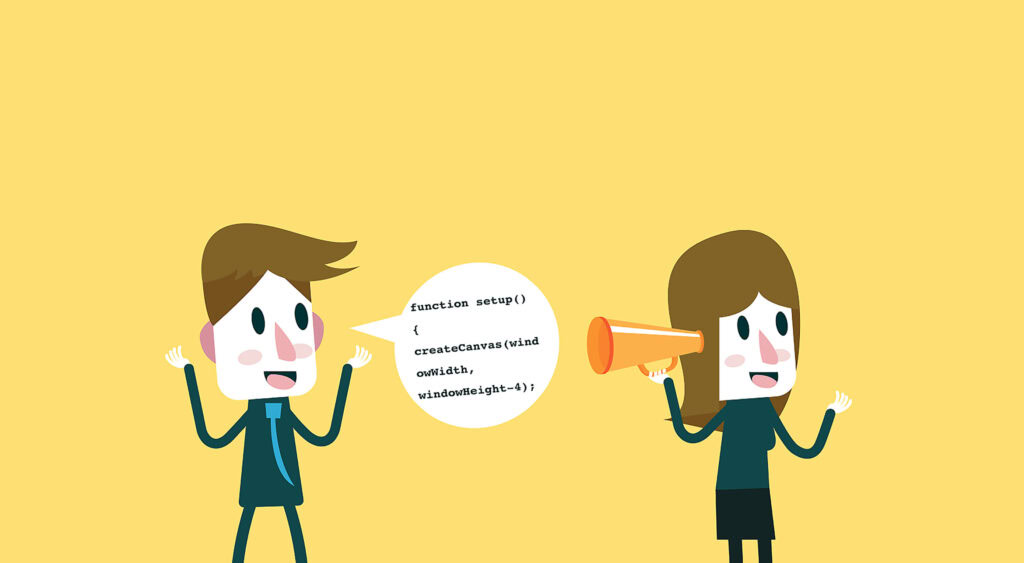
One of our biggest challenges when producing client work is communicating technical information effectively with clients. Many developers in our commu

2020 has been an interesting year, to say the least. And although I’m sure many of you can’t wait until the calendar flips ahead to 2021, it doesn’t l

For the last two decades, the promise of a lucrative career in coding has been drilled into our heads.“Learn to code,” they said. “It’s the skill of t

At the dawn of the web-era, there was much focus on how environmentally friendly websites were: we’d chop down fewer trees, ship fewer products, and t
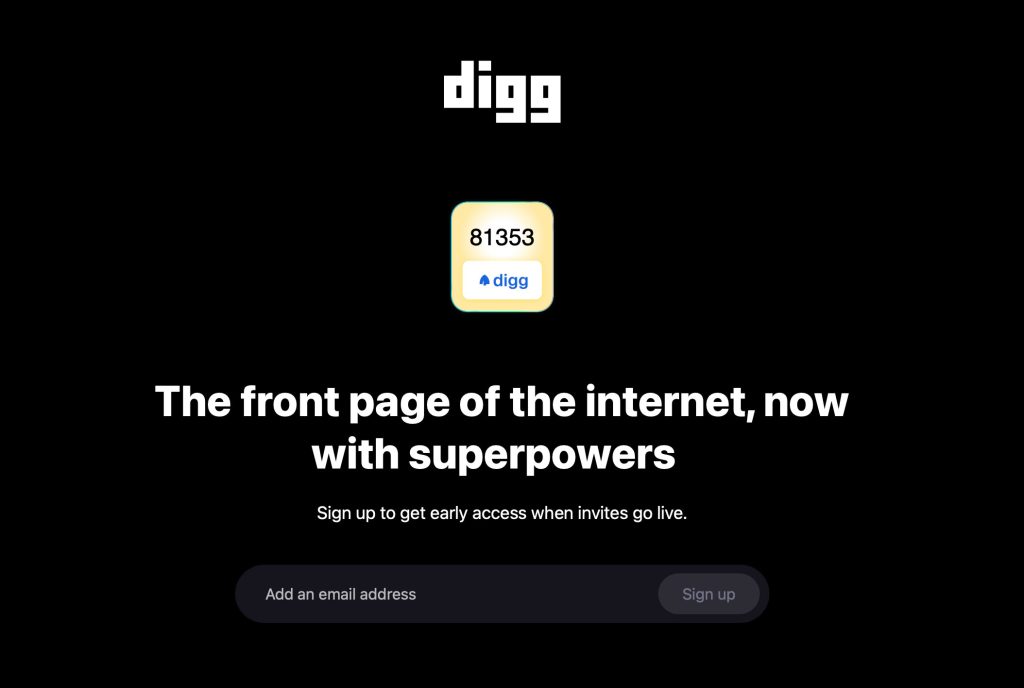
Digg, the iconic social and link-sharing platform that once held the title of “the homepage of the internet,” is making a triumphant return — and this

Welcome to November’s new sites collection. Minimalism continues to be a dominant trend among well designed websites, but it is clear that minimal doe
We are a dynamic information platform dedicated to delivering timely, relevant, and reliable content across a broad spectrum of topics. From the latest in technology and business to lifestyle, health, and global affairs, we aim to keep our readers informed and inspired.
Our editorial team is committed to maintaining high standards of accuracy and clarity, ensuring that every article provides value and context in an ever-changing world. We believe in the importance of accessible knowledge and strive to make complex topics understandable for everyone.
Whether you're here to stay updated on current events, explore thought-provoking features, or simply learn something new, our goal is to offer a trustworthy source of information that meets the needs of a diverse and curious audience.