6 Best AI Productivity Apps in 2024
There’s no escaping it: if you want to be successful, you need to be productive. The more you work, the more you progress, which for many people means

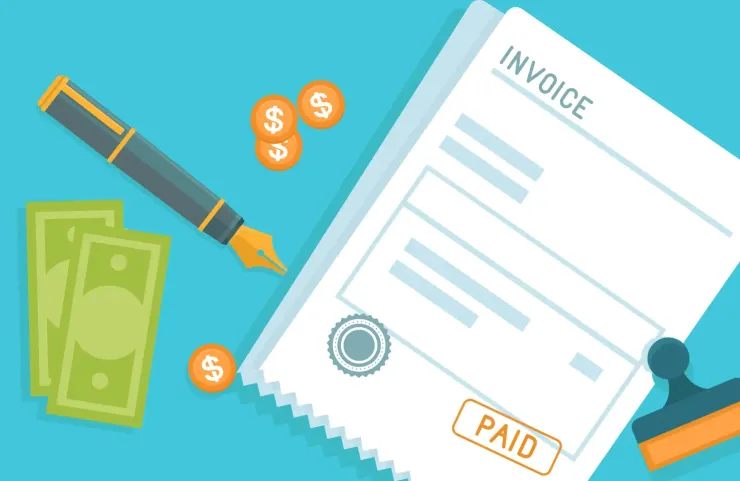
Every freelancer has heard the pitch from clients about “no money now, but there will be later”, “help start my business and you’ll be my ‘go-to’ person in the future”, or “when things get going, you can charge more and make up your lost fees”.
These promises are of course lies! Every business has money. The trick is, getting them to part with it. Here are some handy ways of creative billing and other methods for turning a cheapskate into a great client… who pays your invoice!
The great thing about businesses that demand free work is that they usually don’t realize, in the end, that they have no rights to the copyrighted work you have created. Free work followed by broken promises can be followed by legal suits to pay you for the rights they never legally had.
That, of course, is not a good way to do business in the long term, but the idea is on the table if you’ve been screwed in the past and never signed over the copyright for your work. A letter warning the client they are using copyrighted material in breach of promise can get a rise from a client, but they’re not just going to roll over and show you their wallet.
It’s best to lay some ground rules from the start. First, chances are you haven’t laughed out loud in the client’s face because you are interested in working for their company. If only they would pay you!
Well, there’s a chance they want you to work for them just as badly or they wouldn’t be going out of their way to risk an eternity roasting in Hell by lying to you. Seriously, they see you have the talent that they both want and need, and they respect design just enough to know they can’t use an art student — although they might use that threat as a negotiating position.
You have the upper hand in negotiations because you have nothing to lose by turning down working for free. The only other things you’ll need are the guts and knowledge to know how to negotiate an acceptable solution for both parties.
You’ll know whether the prospective client is just cheap, or doesn’t actually have any money for design within the first few moments of your first meeting. If they are cheap, They’ll tell you why you should be working for free. Whatever you say next in defense of your need to be paid will be met with one of these two reactions:
There are ways to gamble on the client but assure yourself of payment either in barter, investment, or extended payments. Barter may in some cases be illegal as it is taxable but hard to track for the IRS.
Bartering a fee may include:
The problem is that barter is a swap of services or goods that are worth money and must be declared on one’s taxes as income. If you are trading services for several thousand dollars of work, then that’s what you legally must declare on your taxes. Still, if you receive these at wholesale prices, even paying taxes on those goods will leave you ahead of the taxes owed.
Investment credit and a percentage of the company:
If you argue about having to provide thousands of dollars to use your design work to help build up a startup, you might demand a percentage of the company itself, just like those who have invested financial funds. While this ploy never seems to work, even with the best intentions on the part of the client, it might happen with a savvy client who needs ongoing work and respects design enough to see that he/she needs an experienced, competent professional. I suppose this is why it never happens!
If it does happen, you’ll need to hire a lawyer (they don’t work for free, oddly enough) to make sure:
As with any investment, there is a chance to fail, however, imagine being part of a growing company as a partner, even with a small percentage. You might be the “Corporate Creative Director” and assured of a career move that will continue to grow and pay you an income.
Extended or deferred payment can assure you of a legally binding way of recovering fair payments down the road. This can include:
An extended payment needs a strong, iron-clad contract to assure that if payments are missed, or stop completely. Make sure the contract calls for interest payments and that any legal costs are paid by the client if the extended payment agreement falls apart.
Naturally, being paid in full and in a timely manner is the ideal situation, but in the freelance business, sometimes you have to think quickly on your feet when provided an opportunity that may seem to be a scam to start off, but end up truly being an opportunity… just like the client promised you, but not with “rich friends”, “exposure”, or possible “lots of money later”… at least not without the aforementioned contract!
Featured image, invoice image via Shutterstock.

There’s no escaping it: if you want to be successful, you need to be productive. The more you work, the more you progress, which for many people means
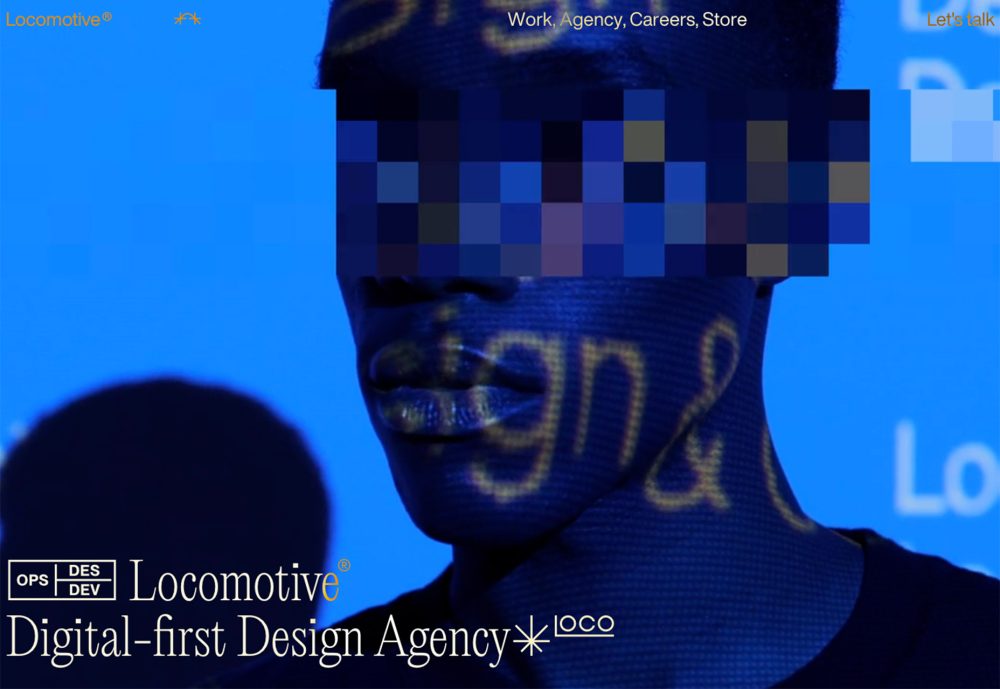
Here’s what’s trending in design this month.1. Handwritten Text EmphasisSometimes it’s the little things that help set a design apart. One of those li
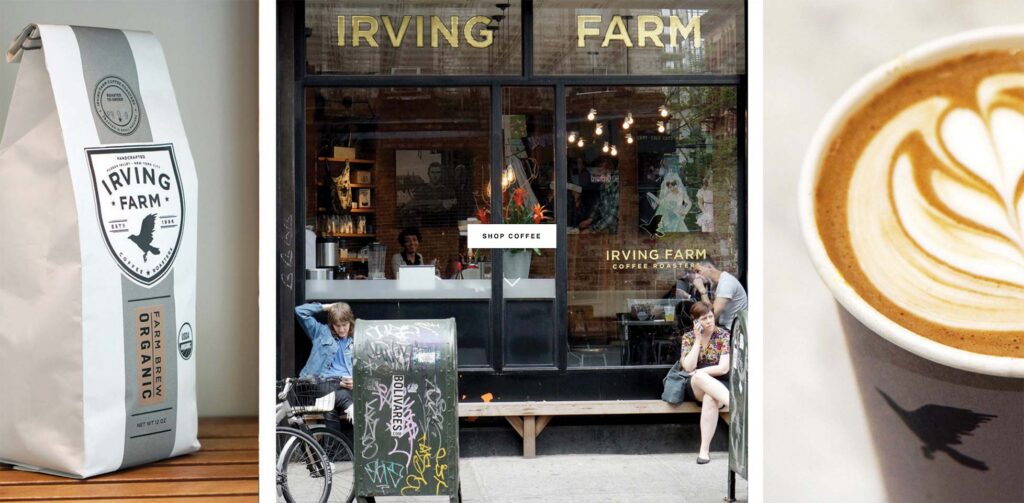
One of the biggest clashes in design has been the question of whether to strip down your landing page to the point where it’s so minimal that it has n
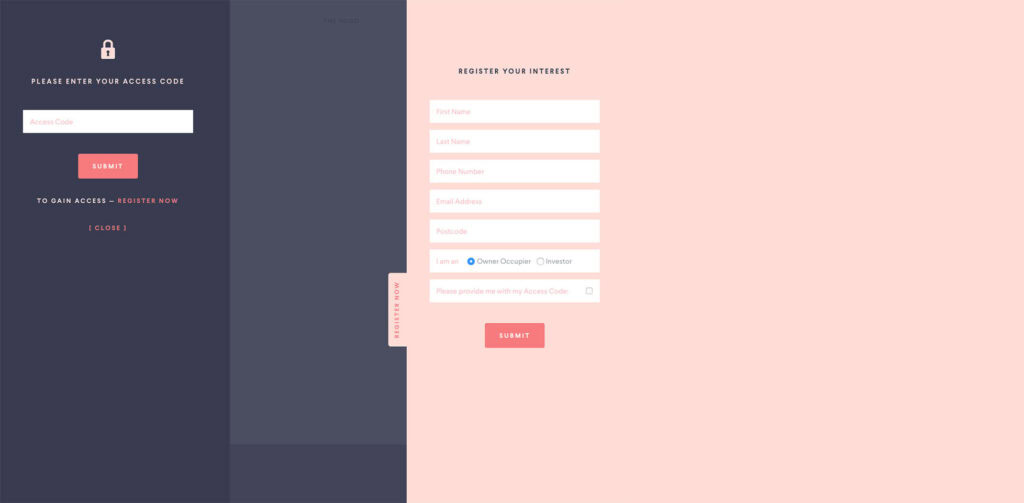
Web forms are the scourge of many a designer, and by extension, their clients.Forms play a vital role on any site because they’re how sites gather all
If there’s a common question that web designers ask themselves, it’s usually: How can I improve user experience? User experience is always front and c

Unfortunately, over half (54%) of the businesses surveyed for the 2018 State of SMB Cybersecurity report believe they’re too small to be a target for
We are a dynamic information platform dedicated to delivering timely, relevant, and reliable content across a broad spectrum of topics. From the latest in technology and business to lifestyle, health, and global affairs, we aim to keep our readers informed and inspired.
Our editorial team is committed to maintaining high standards of accuracy and clarity, ensuring that every article provides value and context in an ever-changing world. We believe in the importance of accessible knowledge and strive to make complex topics understandable for everyone.
Whether you're here to stay updated on current events, explore thought-provoking features, or simply learn something new, our goal is to offer a trustworthy source of information that meets the needs of a diverse and curious audience.