5 clients that will destroy your design business
Have you ever had a customer from hell? The kind of customer who abuses you, spending as little as they possibly can while trying to squeeze as much f


If you’ve spent any time in UX design, you’ve probably heard it a thousand times: “Design for the user.”
It’s our golden rule, the heart of usability testing, and the crux of every client pitch. But let’s get real for a second—do users actually know what they want?
Spoiler alert: not really.
Before you grab your wireframes and storm off, hear me out. This isn’t a knock on users (or usability). It’s about recognizing that people often have no idea what they need, much less how to articulate it. And honestly? That’s not a bad thing—it’s where you, the designer, come in.
Let’s face it: user feedback is messy. One user says they want something “intuitive,” another wants “more features,” and someone else just wants things to “feel nice.” Helpful, right?
But when you watch these same people use your design, it’s a different story. They’ll stumble, get stuck, or use features in ways that make you question humanity.
Here’s the thing: users are terrible at predicting their own behavior. It’s not their fault—it’s just how we’re wired. Think about it: ever bought a gym membership in January because you thought you’d work out every day? Exactly. Users are no different.
Real Talk Example: Remember when touchscreens first hit the market? Focus groups hated them. “No physical keyboard? Nope, won’t work,” they said. Yet, here we are, swiping our lives away on glass screens. Steve Jobs knew something users didn’t: people often resist what’s unfamiliar—even when it’s what they truly need.
Let’s be clear: this isn’t about throwing usability testing out the window. It’s about understanding that user feedback is just one part of the puzzle.
Your job as a designer isn’t to take everything users say at face value—it’s to dig deeper and figure out what they really need, even if they can’t articulate it.
Here’s how:
Let’s not forget: users aren’t designers. That’s your role. You’ve got the skills, the data, and the vision to guide them. Sure, listen to their frustrations, but don’t stop there.
Use that insight to innovate and lead. Sometimes, being a great designer means saying, “I hear you, but trust me—you’re gonna love this.”
Take Tinder’s swipe interface. Did anyone ask for it? Probably not. But it fundamentally changed how people interact with dating apps. The lesson? Users may not know what they want, but they’ll know it when they see it.
As we step into a world driven by AI and predictive technologies, the role of the UX designer is evolving.
It’s less about responding to what users say they need and more about anticipating behaviors and delivering experiences they didn’t even know were possible.
The next big thing? It’s not going to come from a user focus group—it’s going to come from bold, visionary design.
At the end of the day, users don’t need to know what they want. That’s your job. It’s about striking the perfect balance between empathy and expertise—listening to users, but not being afraid to lead them somewhere better.
So, the next time feedback leaves you scratching your head, remember: it’s not a sign you’re off track. It’s an opportunity to dig deeper, think bigger, and create something users didn’t even know they needed.
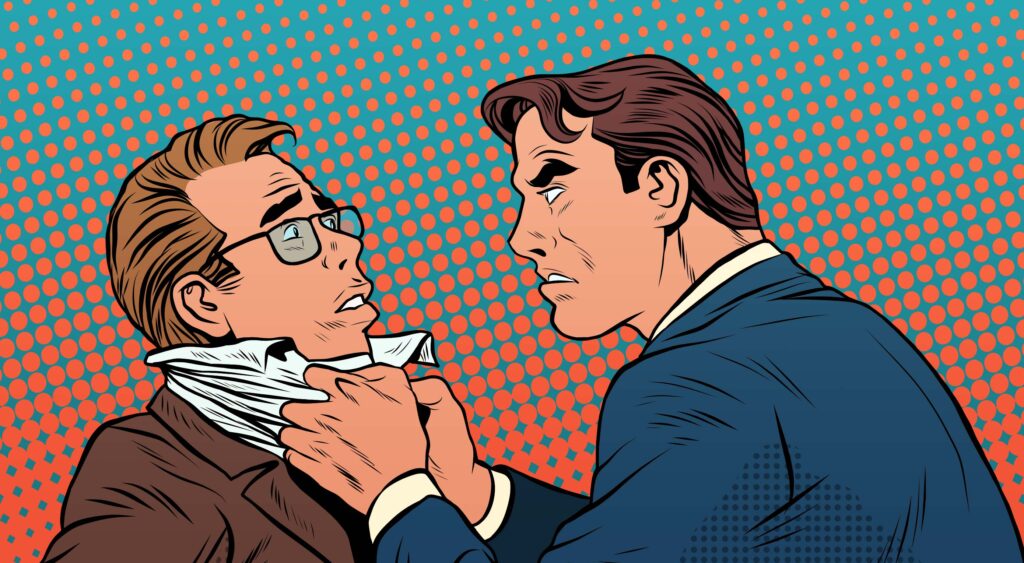
Have you ever had a customer from hell? The kind of customer who abuses you, spending as little as they possibly can while trying to squeeze as much f
Business owners and web designers are pulled in many different directions when determining what features and content they should add to their website.
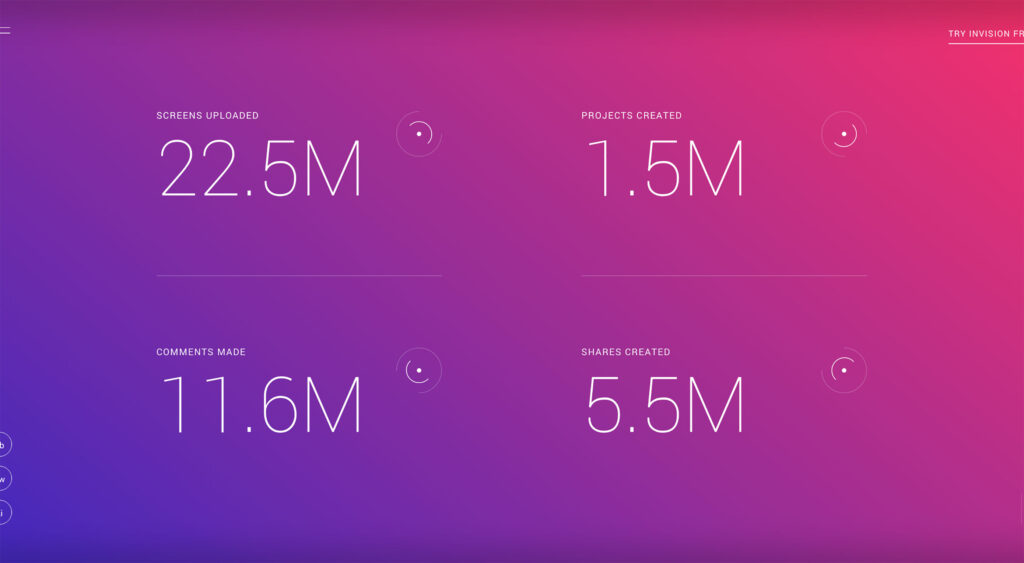
Color is one of the key elements in any design system. On websites or in apps, color can be used in a variety of ways: sometimes color can be used to
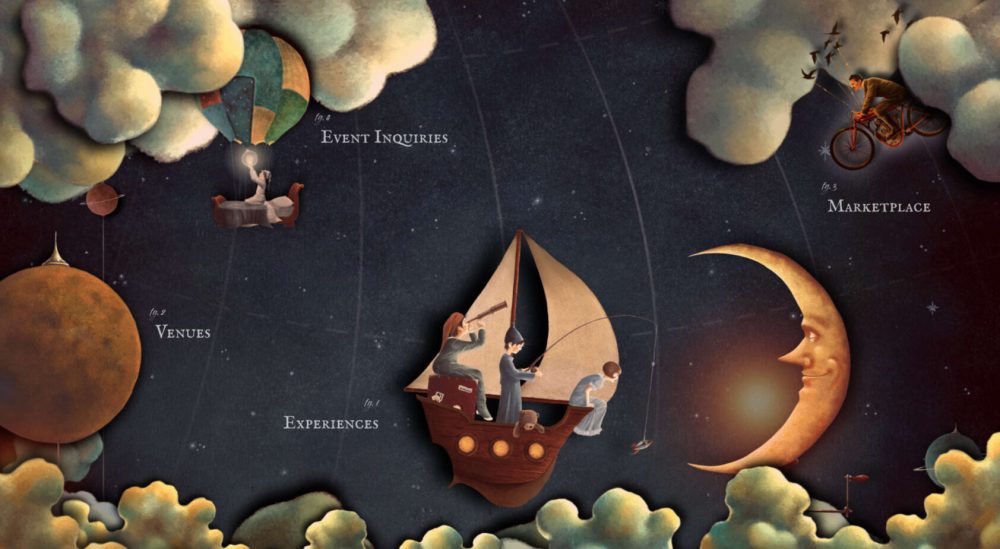
Pictures cross-language and literacy barriers, allowing people to understand and communicate complex moods and feelings that they cannot in words. Whe
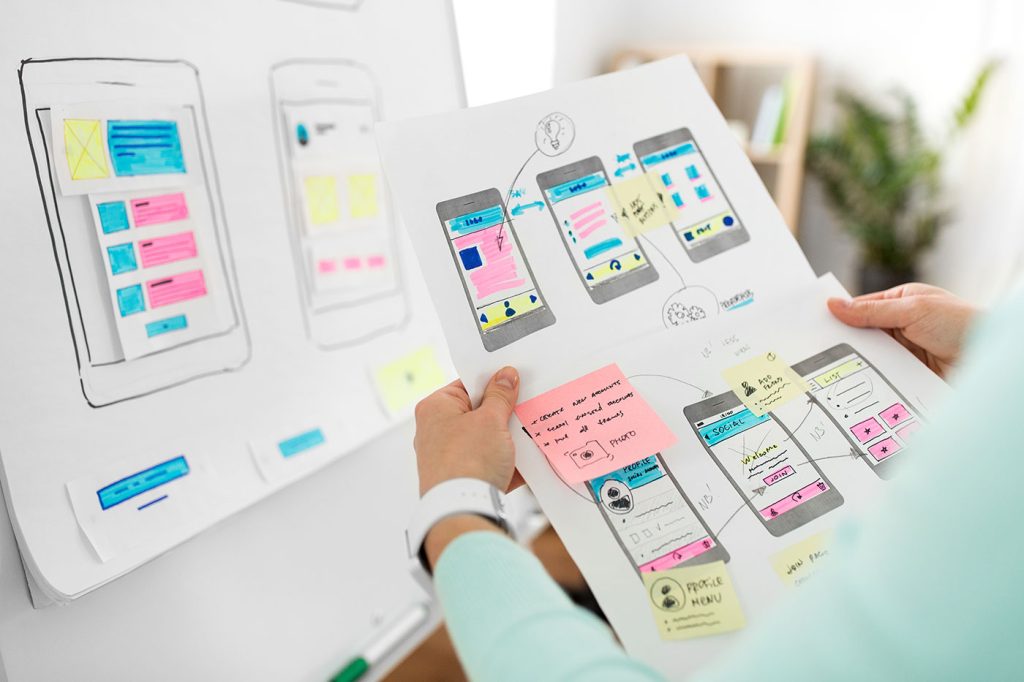
If you’ve ever rage-closed an app because it wouldn’t let you “go back” or stared at a form that made you feel like you were applying for citizenship

However, as the digital landscape continues to evolve, you might be curious about exploring fresh LinkedIn alternatives. Perhaps you’re looking for pl
We are a dynamic information platform dedicated to delivering timely, relevant, and reliable content across a broad spectrum of topics. From the latest in technology and business to lifestyle, health, and global affairs, we aim to keep our readers informed and inspired.
Our editorial team is committed to maintaining high standards of accuracy and clarity, ensuring that every article provides value and context in an ever-changing world. We believe in the importance of accessible knowledge and strive to make complex topics understandable for everyone.
Whether you're here to stay updated on current events, explore thought-provoking features, or simply learn something new, our goal is to offer a trustworthy source of information that meets the needs of a diverse and curious audience.