Poll: Is Basecamp Right To Shutdown Politics At Work?
In a post that has been revised for “clarification,” the company’s co-founder Jason Fried listed six rules for employees: No societal or political dis


Truth be told, there’s a lot of value that comes from doing design sprints. However, it’s not as simple as adopting Google Vision’s original system and instantly being able to create better digital products or getting greater consumer buy-in.
Let’s take a look at what design sprints are, why they can be valuable, but why you also might need to steer clear of them.
In basic terms, the design process looks like this:
A design sprint, looks like this instead:
Essentially, it removes the build and launch phases of the typical design workflow, so that design teams can get to a validated concept more quickly.
That said, the design sprint process is anything but quick and simple.
It’s a heavily structured, multi-day process that enables design teams to:
Teams is the operative word here. A design sprint is a highly involved process that normally takes place over an entire week — and it’s the collaboration of each team member that allows the process to be successful in the end.
A design sprint team can include anywhere between four and eight people, though it’s suggested that the ideal team include the following:
At the end of the sprint, this team should come up with:
Because it’s such a strict system, there’s little leeway for flexibility here. But if followed to a T, sprints are expected to produce amazing results.
Are you wondering what the big deal is? After all, you probably already have a web design workflow that works well and that clients have been pleased with the results of, right?
There are a number of reasons why design teams are willing to dedicate five days to a design sprint:
All in all, a design sprint enables teams to more confidently build digital solutions that both clients and users are happy about in the end. That said, a design sprint isn’t a cure-all for web designers and agencies.
Okay, so you’ve seen all of the good that the structure and five-day commitment can do for you. But does that mean a design sprint is right for your next project?
Here are some things that might keep this seemingly flawless system from producing positive results:
A design sprint cannot start on an assumption or a complete shot in the dark. It’s a huge commitment that you and your team are going to make, and it’s not one that you want to gamble with on a hunch.
The whole point of a design sprint is to systematically define a problem, hypothesize a solution, and then test the validity of it. But if you already know the answer to the problem, there’s no reason to waste your time with this problem-solving process.
In this case, size matters very much. Five days might seem like enough time to tackle any problem — especially if you’re not working on anything else that week — but it can lead to major waste or exceeded scope if you don’t plot the timeline accordingly.
Since design sprints need to have between four and eight team members to work, it’s not feasible for solo freelance designers or small design teams to run design sprints. You’ll especially feel that pressure when it comes time to recruit test users and analyze the results.
Unless you work for a bustling design agency that can afford to take that many people off of active projects for a week, the design sprint process will be too costly. You might be able to produce amazing results for that one click, but that’s an entire week without other paid work getting done.
Let’s say you’re in a position to do design sprints. Is everyone on your team fully committed to the five-day process or is it going to be a struggle to get everyone in the same room and off of their mobile devices (which aren’t allowed)? This especially goes for the top-level executive who calls the final shot, but whose life is usually full of conflicting commitments and distractions.
The problem with bringing together so many talented people from different areas of the company is the matter of hierarchy. If they’re used to being the decision-maker when it comes to things like marketing and finance, who’s to say they’re going to enter this new process and be okay relinquishing that role to the ultimate decision-maker? Unless you have a facilitator who’s confident enough to wrangle all the egos and keep order, this could be a big problem.
As a designer, you take a lot of pride in your work, which is why the idea of adopting a process that promises positive results is appealing.
The only thing is, design sprints weren’t really built for freelancers or small businesses. They were built for large agencies that have the time, money, and resources to commit to such a huge undertaking. That’s not to say you can’t adopt the best practices used within the process now or start working towards integrating design sprints into your business. But design sprints aren’t a magic bullet, and they don’t scale well.
Featured image via Unsplash.

In a post that has been revised for “clarification,” the company’s co-founder Jason Fried listed six rules for employees: No societal or political dis

Your website is often the first thing people see, where they go to learn more about you, get information, or even make a purchase. But just having a w

While web design has become a hot commodity in today’s competitive market, many clients still don’t have a clear understanding of what exactly they ar

Most of the time, it comes down to one thing: brand essence. Your brand essence, or brand identity, represents all of the unique components of your bu

For many of us, sound is an essential part of everyday living. Our day starts with a sound of alarm clock and ends with the subtle click of light swit
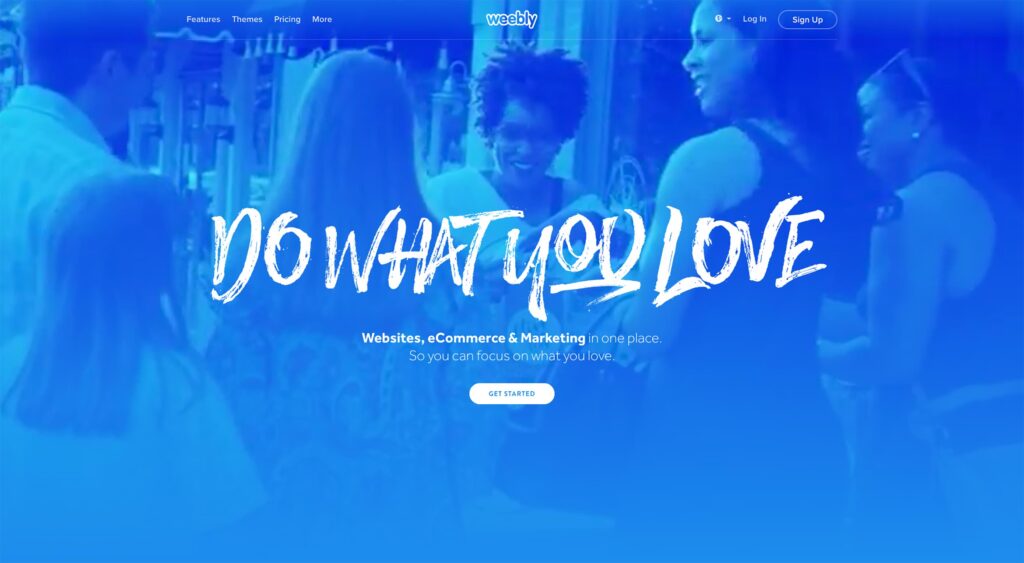
Information density is the amount of information in the form of content that a site visitor is greeted with as soon as he lands on a website or webpag
We are a dynamic information platform dedicated to delivering timely, relevant, and reliable content across a broad spectrum of topics. From the latest in technology and business to lifestyle, health, and global affairs, we aim to keep our readers informed and inspired.
Our editorial team is committed to maintaining high standards of accuracy and clarity, ensuring that every article provides value and context in an ever-changing world. We believe in the importance of accessible knowledge and strive to make complex topics understandable for everyone.
Whether you're here to stay updated on current events, explore thought-provoking features, or simply learn something new, our goal is to offer a trustworthy source of information that meets the needs of a diverse and curious audience.