Certifications for U.S. designers to become law in 2015
The much talked about step of creating professional certification for graphic/web designers looks like it will become a reality in a little more than


Your website is often the first thing people see, where they go to learn more about you, get information, or even make a purchase. But just having a website isn’t enough; you’ve got to make sure it’s doing its job and helping you reach your business goals. This is where figuring out how to measure your website’s success is handy.
Knowing how to measure your website’s success is super important. It helps you see what’s working, what’s not, and where you need to tweak things to improve. Without these insights, you’re pretty much flying blind, making it hard to justify spending money, improving your site, or achieving your goals.
In this blog post, we’ll explore some practical ways to measure website success. We’ll talk about setting clear goals and objectives, identifying key metrics, and using qualitative measures. Whether you’re a digital marketing pro or a business owner looking to boost your online presence, this guide will give you the tips and tools to evaluate and improve your website’s performance.
So, let’s get started by defining your goals and objectives, which are the foundation for meaningful measurement and analysis.
First things first, you need to clearly define what success looks like for your website. This means figuring out the main goals you want to achieve. These can vary a lot depending on your business. Here are some common goals:
By pinpointing these essential goals, you set the stage for all your measurements and analytics.
Once you know your website goals, ensuring they align with your broader business objectives is essential. This ensures your website isn’t just floating out there on its own but is actually helping your business succeed. For example:
Aligning your website goals with business objectives helps create a cohesive strategy that drives your business forward.
Setting goals is great, but they need to be SMART – Specific, Measurable, Achievable, Relevant, and Time-bound. This helps ensure your goals are clear and realistic:
You need to track the right metrics to know how well your website is doing. Here are the key ones to focus on:
Total visits, or sessions, show the number of people visiting your site. High traffic usually means your site is getting good visibility and your marketing efforts are working.
Knowing where your visitors come from helps you understand what’s driving traffic. The primary sources include:
Understanding these sources helps you optimize your marketing strategies.
This metric shows visitor loyalty. New visitors mean your outreach is effective while returning visitors suggest satisfaction and engagement with your content.
The bounce rate is the percentage of visitors who leave after viewing only one page. A high bounce rate might mean your landing pages aren’t engaging or relevant. Lowering it can boost engagement and conversions.
This measures how long people stay on your site per visit. Longer sessions usually mean visitors find your content valuable and engaging.
This shows how many pages a visitor views in one session. More pages per session can mean visitors are exploring your site more thoroughly, indicating strong content and navigation.
Scroll depth measures how far users scroll down your pages. This helps you understand how much of your content is consumed and whether your layout is practical.
Conversion rate is the percentage of visitors who complete a desired action, like making a purchase or signing up for a newsletter. Tracking this helps measure how well your website achieves its primary goals.
Goal completions track the number of times visitors complete specific goals you set up in your analytics tool, like form submissions or account creations.
This metric tracks the number of leads captured through your website, like contact forms or newsletter sign-ups. Effective lead generation is crucial for nurturing potential customers.
Page load time measures how quickly your website loads. Faster load times improve user experience, reduce bounce rates, and improve search rankings.
With more people using mobile devices, it is vital to ensure your site works well on smartphones and tablets. Mobile responsiveness metrics help you track this.
Collecting and analyzing user feedback provides direct insights into visitor satisfaction. Gather feedback through surveys, reviews, and user testing to identify areas for improvement.
While numbers are essential, qualitative measures give you deeper insights into the user experience and satisfaction.
User surveys are great for getting direct feedback from your visitors. They help you understand user needs, preferences, and pain points. Here’s how to use them effectively:
– Ask Good Questions: Use open-ended questions that encourage detailed responses, like “What do you like most about our website?” or “How can we improve your experience?”
– Target Specific Groups: Tailor surveys to different user groups, such as new visitors, returning users, or customers who’ve purchased.
– Use Multiple Channels: Send surveys through email, pop-ups on your site, or social media to reach more people.
Analyzing survey responses provides insights that can guide website improvements.
Customer testimonials and reviews are invaluable for understanding how your audience perceives your brand and website. Positive testimonials highlight what you’re doing well, while critical reviews show areas needing attention. Here’s how to leverage them:
By managing and responding to customer feedback, you can enhance your brand’s reputation and build trust with your audience.
Social media sentiment analysis involves monitoring and evaluating how your brand is discussed on social platforms. This helps gauge public perception and identify trends. Here’s how to approach it:
Understanding social media sentiment helps you adapt your strategies to better align with your audience’s expectations.
Usability testing involves observing real users as they interact with your site. This provides first-hand insights into how users navigate your site, their challenges, and their overall experience. Here’s how to conduct usability testing:
Usability testing helps create a more user-friendly website, leading to higher satisfaction and better performance.
Heatmaps and session recordings provide visual and behavioral insights into how users interact with your site. These tools can show which areas of your pages get the most attention and where users struggle. Here’s how to use them:
Using these insights, you can make data-driven decisions to optimize your site layout and content, improving the overall user experience.
Measuring website success isn’t just about crunching numbers; it’s about understanding the complete picture of how your site performs and meets user needs. Setting clear goals and tracking key metrics like traffic, engagement, conversion, and user experience gives you a concrete view of your website’s performance. Adding qualitative measures like user surveys, testimonials, social media sentiment, usability testing, and heatmaps provides deeper insights into user behavior and satisfaction.
Regularly monitoring and reporting these metrics, coupled with advanced tools, helps turn data into actionable insights. This ongoing evaluation and optimization process ensures your website stays relevant, supports your business goals, and adapts to changing trends and technologies.
Remember, a successful website isn’t just about high traffic or impressive conversion rates; it’s about creating a great user experience that keeps visitors engaged and coming back. By combining data with a keen understanding of your audience, you can achieve sustained growth and success online.

The much talked about step of creating professional certification for graphic/web designers looks like it will become a reality in a little more than
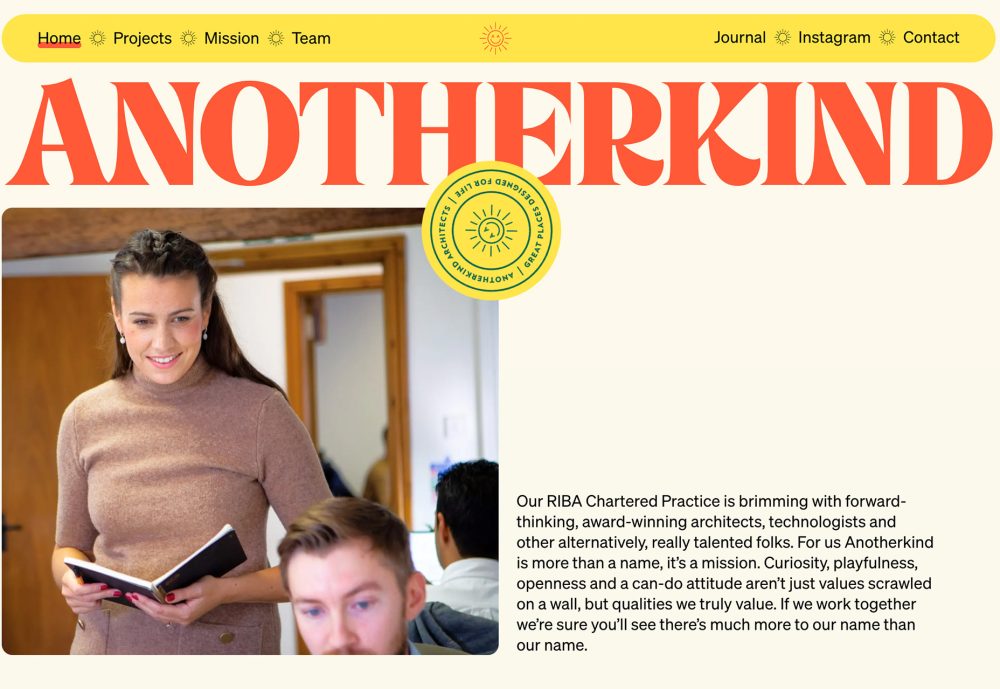
Here’s what’s trending in design this month:1. Monochrome Color SchemesOne-color design patterns can be beautiful and somewhat enchanting. With tints

Remember when every other startup had a mascot? A weird, bug-eyed creature with a permanent smirk, usually some round, blobby thing with inexplicable
When we think of exceptional user experience (UX) design, our minds often gravitate toward e-commerce platforms, SaaS tools, or even government websit

Let’s talk about something that’s been bubbling under the surface of tech conversations lately: AI agents.Now, I know—just reading the phrase “AI agen

AI isn’t just a neat extra anymore—it’s at the core of how websites are imagined, built, tested, and maintained. It’s replacing tedious steps, automat
We are a dynamic information platform dedicated to delivering timely, relevant, and reliable content across a broad spectrum of topics. From the latest in technology and business to lifestyle, health, and global affairs, we aim to keep our readers informed and inspired.
Our editorial team is committed to maintaining high standards of accuracy and clarity, ensuring that every article provides value and context in an ever-changing world. We believe in the importance of accessible knowledge and strive to make complex topics understandable for everyone.
Whether you're here to stay updated on current events, explore thought-provoking features, or simply learn something new, our goal is to offer a trustworthy source of information that meets the needs of a diverse and curious audience.