Quiz: Which CSS Snippet Is The Fastest?
Writing fast CSS is about knowing your CSS selectors, knowing your shorthand, and understanding how properties are best applied. What better way to sp


There’s a quiet revolution happening in design, and it’s not about minimalism’s clean white spaces or maximalism’s riot of color. It’s about layering—not just visually, but conceptually.
The layered aesthetic is less about “making something pretty” and more about making something feel lived in, complex, and worth exploring.
It’s the kind of design that makes you linger, hunting for details like you’re flipping through a well-loved scrapbook or wandering through an old city where every corner reveals something new.
Layered design isn’t just stacking elements on top of each other until your Figma file wheezes in protest. It’s about depth and intentional density—a deliberate orchestration of visual and informational layers to create richness without noise.
Think of it like music production: you don’t just throw in more instruments; you build harmonies, textures, and rhythms that work together.
In practice, this means:
Humans are natural pattern-seekers. A purely flat, minimal interface gives our brains very little to do—great for efficiency, but bad for emotional resonance.
Layering activates curiosity. Our eyes dart from one element to another, our brains stitch together meaning from fragments.
There’s also a time dimension here: layered designs often unfold. The first glance gives you the gist; the second and third reveal the nuances. This creates a stickiness that’s nearly impossible with flat, stripped-down design.
The danger, of course, is ending up with what I call “Pinterest board vomit”—a mess of overlapping elements with no hierarchy. True layered design doesn’t abandon structure; it just hides it under texture and detail.
To avoid chaos:
AI has made layering easier—and more dangerous. Tools like Midjourney, Runway, and Photoshop’s Generative Fill can instantly produce intricate, multi-layered visuals. The catch? They often skip the underlying logic.
An AI-generated layered composition can look lush at first glance but collapse under scrutiny. For advanced designers, the challenge is integrating AI outputs into a human-led composition strategy—using AI for raw texture or pattern generation, then refining it with intentional hierarchy.
Here’s where it gets fun—and tricky. Layered design is a balancing act between depth and legibility. These techniques can help you pull it off without crossing into chaos.
Layering type isn’t about shoving words behind images until they’re unreadable. Use:
A layered aesthetic thrives on texture, but texture without discipline is mud. Keep noise intentional by:
The absence of content is as much a layer as the content itself.
Over-reliance on drop shadows to create depth is the lazy route. Instead:
In interactive contexts, subtle motion adds a temporal layer:
Beyond visuals, layer meaning:
A well-layered design feels like discovering a secret. It’s why people treasure old magazines with marginalia or vinyl albums with fold-out liner notes. You’re not just consuming content—you’re exploring it.
In a world where so many interfaces are optimized for speed and clarity, the layered aesthetic offers a counterpoint: slow design. It invites pause, exploration, and sometimes even a little confusion—because confusion, when resolved, is deeply satisfying.
Layering is moving beyond visuals:
As more of our experiences become mixed-reality or AI-generated, the layered aesthetic will become a core design skill, not just a style choice. It will separate designers who can build depth from those who can only decorate surfaces.
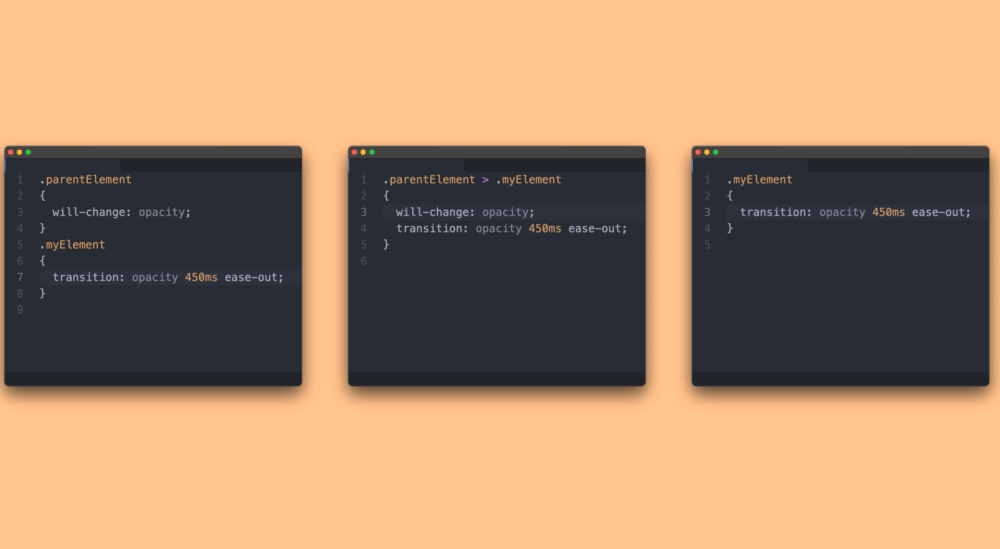
Writing fast CSS is about knowing your CSS selectors, knowing your shorthand, and understanding how properties are best applied. What better way to sp
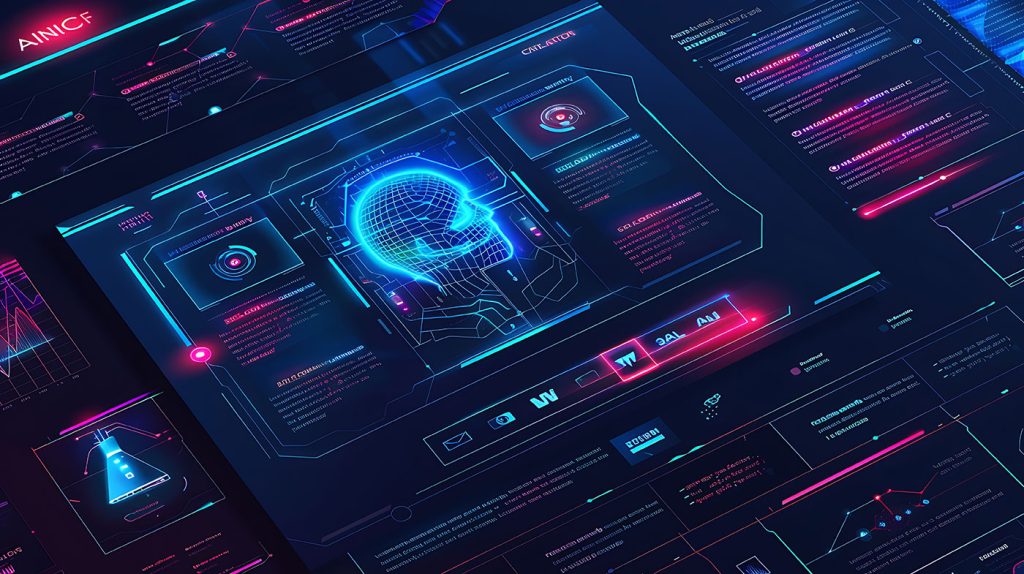
Let’s get this out of the way: most websites in one to five years won’t need you. Or me. Or anyone with Figma open and a mood board full of fancy font
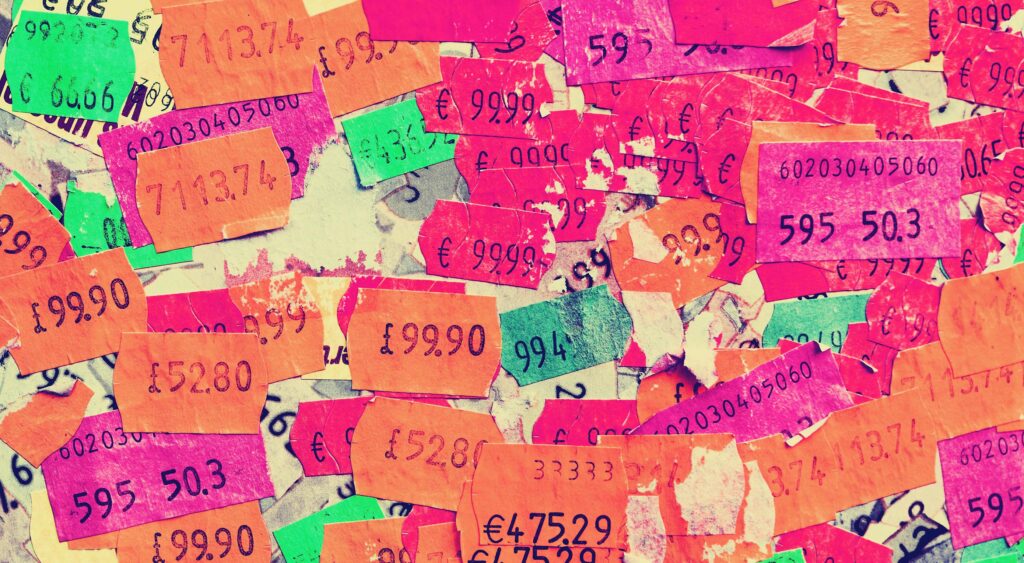
As humans, we tend to rely heavily on one piece of information when we make decisions. We often anchor on the first piece of information we are introd
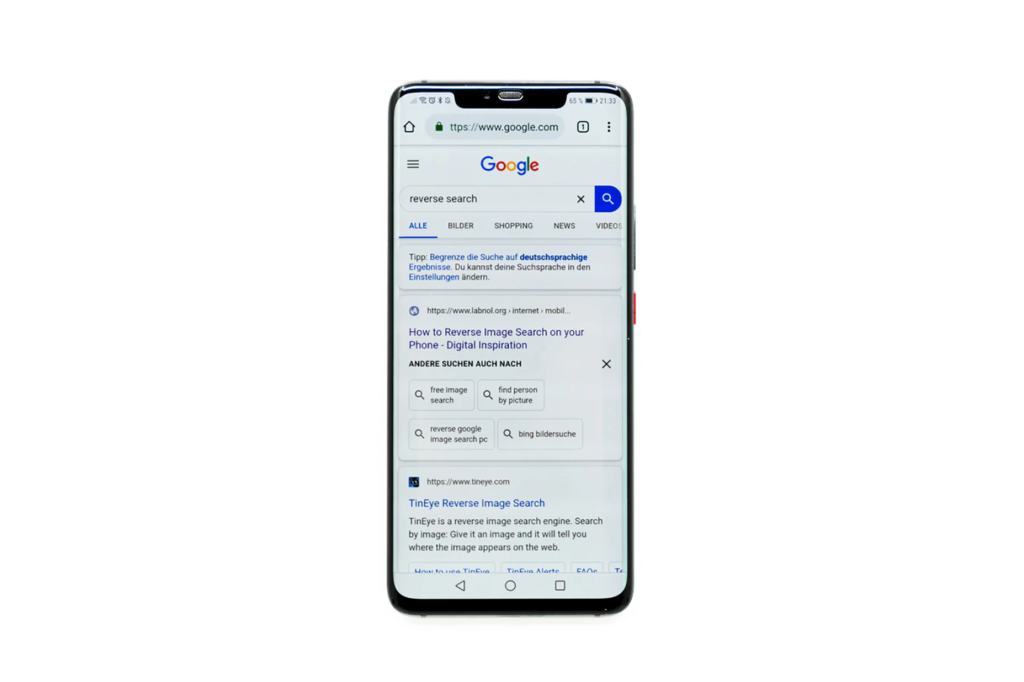
If you own a website, you should have at least heard the term AMP before. If you haven’t, it’s likely you will hear more about it very soon.Google’s A

This is the 4th part of The Ultimate UX Design Guide to SaaS Customer On-Boarding.SaaS Customer On-boarding is the process that users have to experien
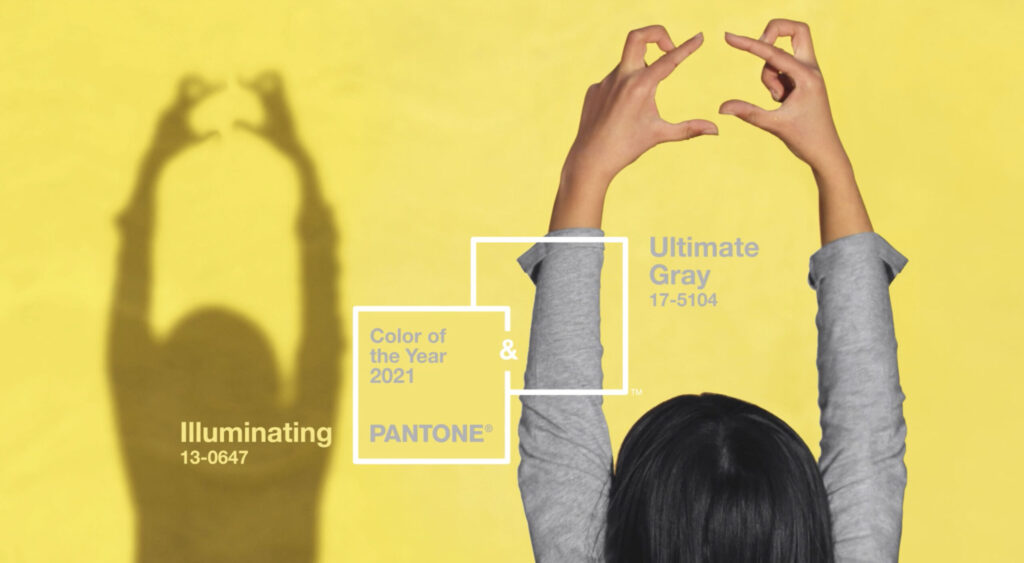
For 2021, we’re getting two colors of the year. The colors selected to grace museum gift shops, and end-of-year blog posts are Ultimate Gray (a mid-ra
We are a dynamic information platform dedicated to delivering timely, relevant, and reliable content across a broad spectrum of topics. From the latest in technology and business to lifestyle, health, and global affairs, we aim to keep our readers informed and inspired.
Our editorial team is committed to maintaining high standards of accuracy and clarity, ensuring that every article provides value and context in an ever-changing world. We believe in the importance of accessible knowledge and strive to make complex topics understandable for everyone.
Whether you're here to stay updated on current events, explore thought-provoking features, or simply learn something new, our goal is to offer a trustworthy source of information that meets the needs of a diverse and curious audience.