What Is Web Design in 2025?
Let’s start with a gentle truth: web design in 2025 no longer means what it used to. And that’s okay.Once, it meant Photoshop mockups and pixel-perfec


This is the 4th part of The Ultimate UX Design Guide to SaaS Customer On-Boarding.
SaaS Customer On-boarding is the process that users have to experience while initiating their journey on a company’s software application. Customer on-boarding initiates from the experience that employees previously had to undergo while joining a firm. The on-boarding process sets the tone for a good user experience.
Long story short, special emphasis should be given to making the on-boarding process as flawless as possible.
The SaaS customer on-boarding process is based on 6 comprehensive aspects, the first three of which we’ve already covered:
All the aspects of the process play an equally important part in forming a desirable reputation of the brand in the eyes of the customers during the on-boarding process.
Today we will be focusing on First Login & Product Tutorial.
I cannot stress the importance of crafting a first login experience to delight your customer enough. The first login experience is where you should be looking if you want your churn rate to go down.
The first log-in screen at Mention is a great example of this. The dashboard is not empty, there are immediate options with simple captions that you can explore and there’s a very clear CTA at the end, which directs you to create your first alert.
An initial tutorial can be a great way to start building a rapport with your customer, now that you’ve gotten your first login. Depending on how you design your tutorial, you can quickly familiarise them with the interface of your app so that they can get down to using it.
These are some guiding principles that you should keep in mind when designing your first log-in page and product tutorial(s).
A famous programmer called Kathy Sierra says that the app should be able to make its users amazing at something within the initial five minutes of using that app. Ultimately the user should be taking an action that causes a result relevant to your business. Try to generate an experience that would be bound to bring the user back.
You want to establish a relationship with the user that is of mutual benefit to both of you. That happens when you begin to communicate with them frequently and that too in the initial stages. The product tutorial is one of the easiest ways to establish that channel of communication. Ideally a product tutorial should accomplish:
One of the best examples of this is Canva.
1. The sign up is simplicity itself. You can create an account by just giving your email address or use a social media sign in (Recall our discussion on Sign Up Flows)
2. Decide what you want to start doing. There’s a general orientation that you can select at the beginning that will affect the images in Canva’s database that you will get to see initially.
3. The guide starts. How long will it take? 23 seconds. As soon as you click “Show me how it’s done”, a tutorial will guide you through the simple drag and drop process of selecting an image and modifying it. As mentioned above, the defaults are “intelligent” ones. A graphic is created for you and then you’re invited to give it a try.
4. The interface is colourful, engaging and very easy to use. You’re immediately looking at the Beginner’s Challenge, which attracts the user even more.
5. Finally, you get to do something fun, like selecting a hat that you drag onto a monkey’s head! The whole process takes under a minute, and you’ve already mastered the basics of using Canva.
Within 23 seconds, Canva manages to capture the attention of its users. The interface is intuitive. The tutorial is simplicity itself as it shows the process of dragging and dropping images from its database, adding the relevant headings and downloading the image. It then gets the user to do the same. It’s light hearted as well as it gets you to put a hat on a monkey!
You can analyse the effectiveness of your first sign in and product tutorial. The sign in and product tutorial can be grouped into an experience called the first run experience. The series of steps that need to be taken can be defined and then you can do something called funnel analytics to evaluate the effectiveness of the experience. Tools I would recommend in order to build and measure your funnel are Mixpanel or Amplitude. The idea of funnel is that many users enter the beginning of the user experience and a few come out at the end.
Measure user progress through the experience by observing the completion rates for each step.
So usually, you’ll get rates of completion that look something like this:
Now it’s between Step 2 and 3 that a lot of people opted out of the user experience, which indicates that that’s the area where you should focus.
In this way you can refine your first login experience so that it retains the most users.

Let’s start with a gentle truth: web design in 2025 no longer means what it used to. And that’s okay.Once, it meant Photoshop mockups and pixel-perfec
For a while now, companies have been experimenting with all kinds of motion and animation in their design choices. We’ve seen the rise of animated web
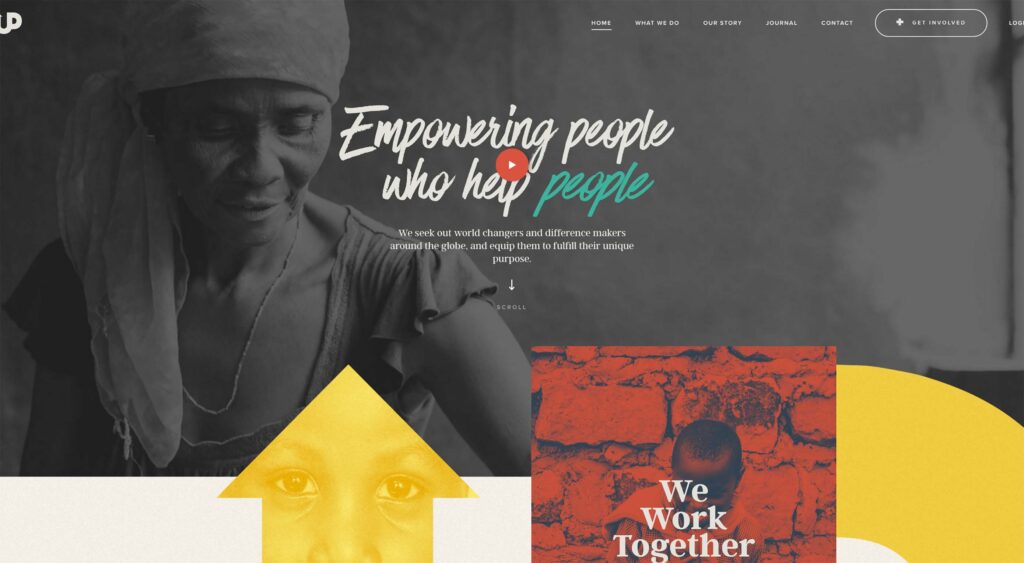
A website is more than just a place to hold information about your app, portfolio or products. It should tell a story to engage and delight users. (Th
I work out of a small office in a co-working environment. Next to my dedicated space is a hot-desking area used primarily for video conferencing. Than

We spent decades perfecting the art of navigation: breadcrumbs, sidebars, hamburger menus, sticky headers, site maps. We crafted taxonomies and ran he
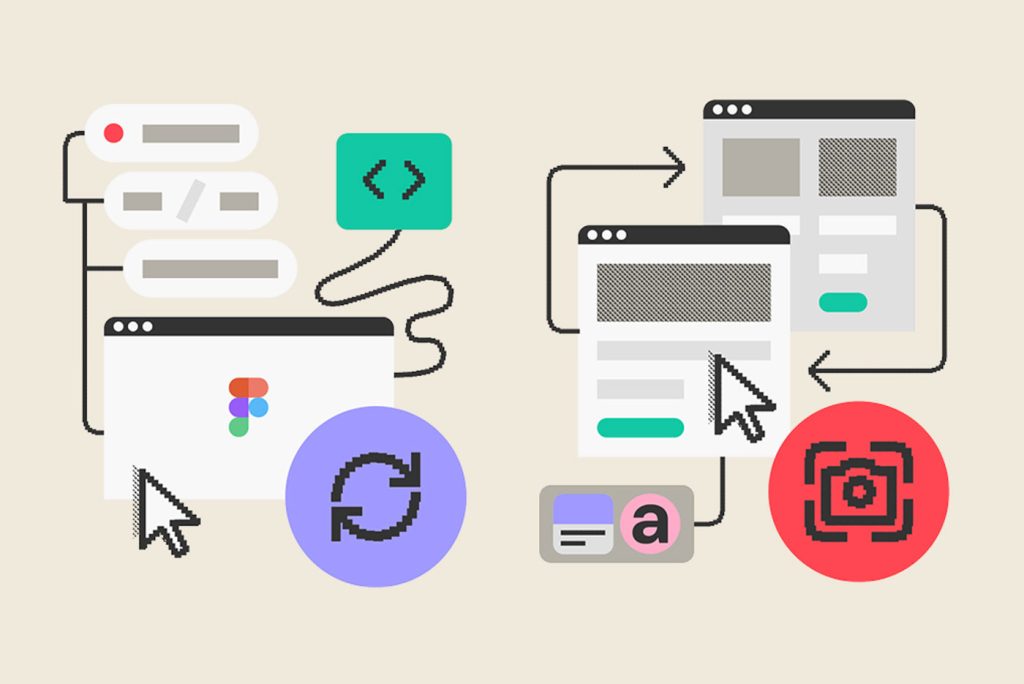
Zeroheight’s Design Systems Report 2025 is out, and let’s just say it’s a wild ride through the world of design systems, filled with both exciting win
We are a dynamic information platform dedicated to delivering timely, relevant, and reliable content across a broad spectrum of topics. From the latest in technology and business to lifestyle, health, and global affairs, we aim to keep our readers informed and inspired.
Our editorial team is committed to maintaining high standards of accuracy and clarity, ensuring that every article provides value and context in an ever-changing world. We believe in the importance of accessible knowledge and strive to make complex topics understandable for everyone.
Whether you're here to stay updated on current events, explore thought-provoking features, or simply learn something new, our goal is to offer a trustworthy source of information that meets the needs of a diverse and curious audience.