7 Secrets for Building Great Client Relationships
A colleague recently said to me, “I’ve heard that you’re a client relations guru. Are there any tips or tricks that you have for starting to build up


In the world of User Experience (UX) design, Jakob Nielsen’s 10 Usability Heuristics for User Interface Design have long been the cornerstone for crafting intuitive, user-friendly digital interfaces.
These principles—spanning visibility of system status, match between the system and the real world, user control, and error prevention—are as foundational to UX as grammar is to writing.
But while Nielsen’s heuristics provide an excellent starting point, seasoned UX practitioners know they’re just the beginning. For those designing high-performance systems for advanced users or crafting experiences for cutting-edge domains (like AI-powered tools, immersive XR environments, or complex SaaS platforms), we need to push beyond these foundational principles.
Here, we’ll explore pro-level heuristics that build on Nielsen’s legacy, tailored for expert users and high-performance interfaces. Whether you’re creating for professionals, gamers, or analysts handling complex datasets, these heuristics will guide you toward superior design outcomes.
Traditional usability guidelines often emphasize simplicity—”less is more.” But in high-performance contexts, users often prefer density if it means they can access critical information faster. For example:
Heuristic in Action:
Focus on reducing unnecessary cognitive load, not complexity inherent to the task. This means using visual hierarchy, consistent patterns, and progressive disclosure to make dense information digestible.
Advanced users often work in highly specific workflows, and disruptions to these processes can be costly. Unlike casual users, professionals using tools like CAD software or analytics platforms cannot afford interruptions caused by unclear navigation or unnecessary friction.
What It Means:
Case Study: Adobe Photoshop excels in workflow continuity by allowing users to customize panels and create keyboard shortcuts, ensuring that the interface works around the user, not the other way around.
For advanced systems, users often operate in environments where time-sensitive decision-making is critical. Examples include stock trading platforms, healthcare diagnostic tools, or even gaming interfaces. In such scenarios, delays in surfacing actionable insights can lead to catastrophic outcomes.
Heuristic in Action:
Example: Real-time dashboards in DevOps monitoring tools, like Datadog, use anomaly detection to highlight potential issues without overwhelming users with irrelevant data.
High-performance environments require robust error recovery systems. Advanced users often push tools to their limits, experimenting with unconventional workflows or handling edge cases. Ensure your design is resilient under such conditions.
Best Practices:
Example: Figma’s collaboration-first design includes real-time saving and version history, empowering teams to recover work effortlessly.
Advanced users often seek tools that grow with their expertise. This principle, known as progressive mastery, involves designing interfaces that support users as they evolve from novices to experts.
Implementation Tips:
Case Study: AutoCAD uses progressive mastery by providing both beginner-friendly guided tutorials and advanced scripting tools for seasoned users.
High-performance users often rely on multiple input methods—mouse, keyboard, touch, voice, and even gesture recognition. These modalities can significantly enhance usability when designed thoughtfully.
How to Apply This Heuristic:
Example: Excel power users benefit from both mouse interactions for visual work and keyboard shortcuts for rapid data entry and formula editing.
For advanced users, one-size-fits-all interfaces often fall short. High-performance tools should allow for deep customization tailored to specific tasks or preferences.
Strategies:
Example: Trading platforms like Thinkorswim allow users to customize every aspect of their interface, from watchlists to chart layouts, catering to diverse trading styles.
Advanced systems are often used for extended periods, leading to potential fatigue or increased error rates. Designing for endurance requires attention to physical, mental, and emotional usability.
Heuristic in Action:
Example: IDEs like Visual Studio Code integrate features such as dark mode, auto-completion, and refactoring suggestions, reducing user effort and fatigue.
Modern high-performance tools often support teams, not just individuals. Collaboration must feel seamless, especially in remote-first environments.
What It Looks Like:
Case Study: Tools like Miro excel in collaboration by combining intuitive visual interfaces with robust versioning and commenting features.
AI has become a game-changer in advanced UX, enabling systems to adapt to users’ needs in real time. But poorly integrated AI can add friction instead of reducing it.
Key Considerations:
Example: Grammarly’s AI-driven writing assistant provides context-aware suggestions while allowing users to ignore or modify recommendations.
Moving beyond Nielsen’s heuristics requires us to consider the evolving needs of high-performance systems and expert users.
By focusing on principles like cognitive load optimization, workflow continuity, progressive mastery, and resilience, we can create interfaces that empower users to achieve exceptional results.
Whether designing for rocket scientists, professional gamers, or power users in enterprise software, these pro-level heuristics will help you push the boundaries of usability.

A colleague recently said to me, “I’ve heard that you’re a client relations guru. Are there any tips or tricks that you have for starting to build up

As we move towards a new ‘mobile internet’, demanding consumers are constantly looking for new ways to improve their online experience and customise t

UX Design is almost synonymous with conversational interfaces, which are used left, right, and center from natural language messaging to voice-based a
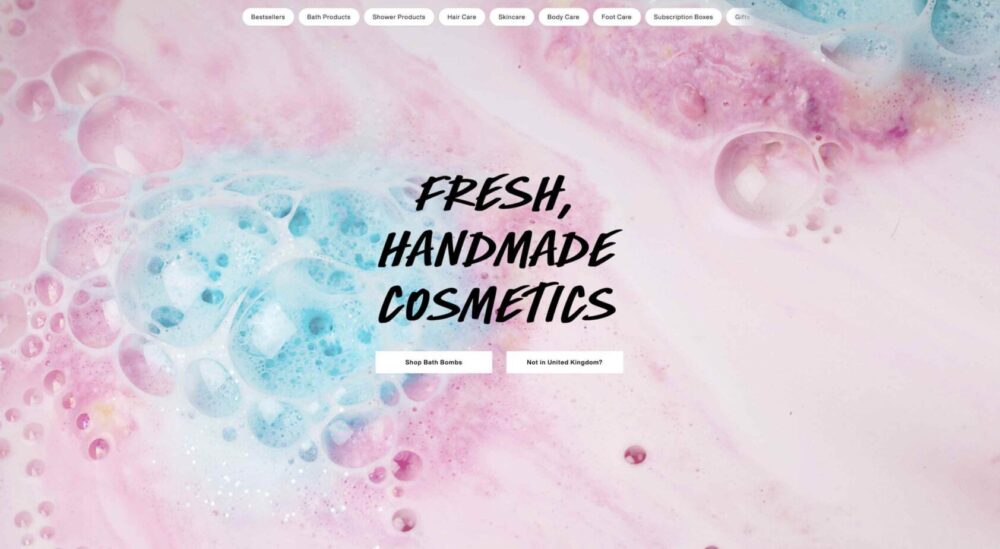
Most of the time, it comes down to one thing: brand essence. Your brand essence, or brand identity, represents all of the unique components of your bu

So you’re designing a new website or online store, and you need a web developer. You might need them to develop a site from scratch. Or maybe you just
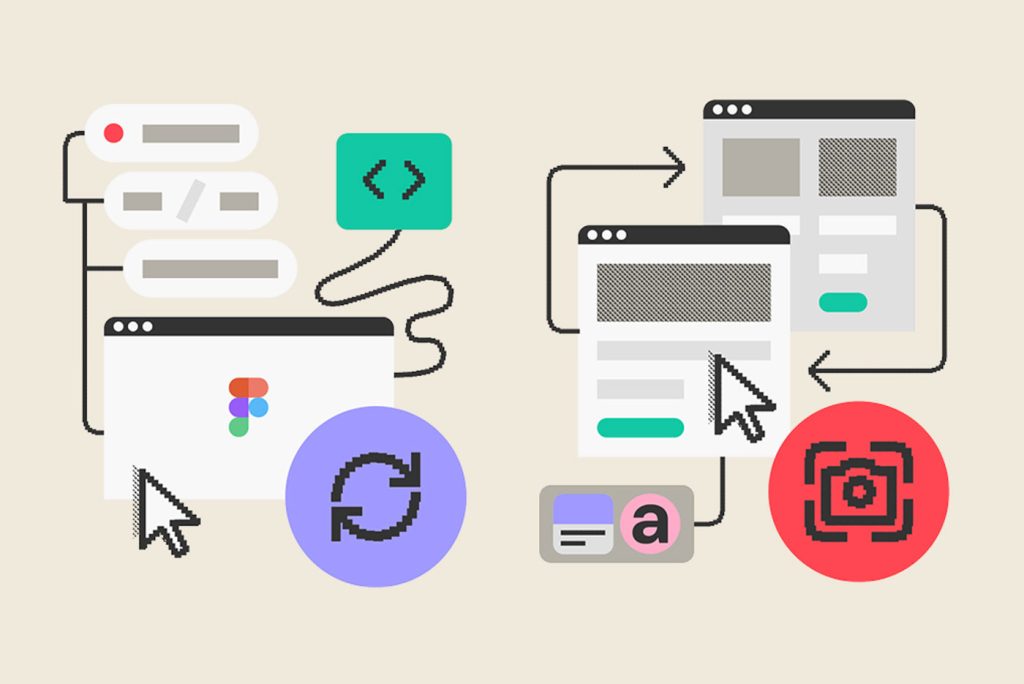
Zeroheight’s Design Systems Report 2025 is out, and let’s just say it’s a wild ride through the world of design systems, filled with both exciting win
We are a dynamic information platform dedicated to delivering timely, relevant, and reliable content across a broad spectrum of topics. From the latest in technology and business to lifestyle, health, and global affairs, we aim to keep our readers informed and inspired.
Our editorial team is committed to maintaining high standards of accuracy and clarity, ensuring that every article provides value and context in an ever-changing world. We believe in the importance of accessible knowledge and strive to make complex topics understandable for everyone.
Whether you're here to stay updated on current events, explore thought-provoking features, or simply learn something new, our goal is to offer a trustworthy source of information that meets the needs of a diverse and curious audience.