The AI Avalanche: Are We Drowning in Our Own Creation?
Every week—no, every day—there’s a new AI tool. A new update. A new plugin. A new model that claims to be faster, smarter, more ethical, more open, or

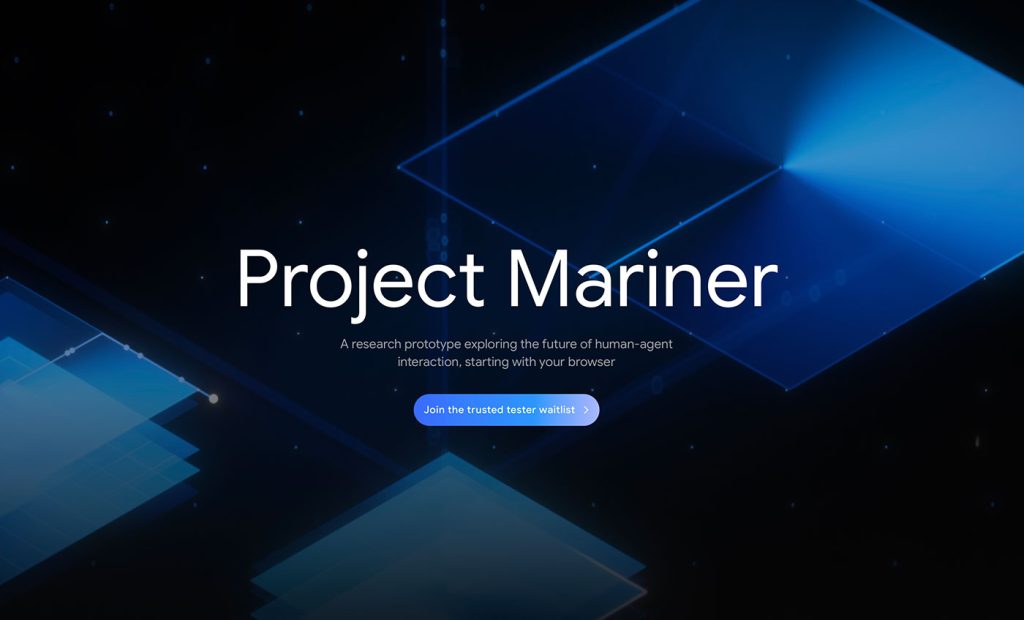
Google’s recent unveiling of Project Mariner is more than just a technical milestone—it’s a harbinger of how user experiences (UX) and user testing will evolve in the face of AI-driven web navigation.
This ambitious project introduces autonomous AI agents designed to navigate the web, execute tasks, and provide actionable results, fundamentally reshaping how users interact with digital platforms.
Traditionally, UX has been centered around human users. But with Project Mariner, the paradigm shifts to designing experiences that cater not only to humans but also to AI agents acting on their behalf.
These agents are not passive consumers of information; they actively interpret, interact with, and manipulate web content to achieve goals. This raises intriguing questions for UX professionals:
The emergence of Project Mariner introduces several considerations for UX designers:
With AI agents as primary “users,” traditional usability testing will no longer suffice. A dual approach will be necessary:
For UX professionals, the advent of Project Mariner is both a challenge and an opportunity. On the one hand, it demands a deeper understanding of machine learning and AI behaviors.
On the other, it opens doors to innovate and redefine best practices in web design.
The interplay between human and AI usability could lead to richer, more adaptive digital experiences.
AI agents raise significant ethical questions. How will user data be handled as these agents scour the web and interact on behalf of individuals?
Transparency in how websites manage interactions with these agents will become a cornerstone of ethical UX design.
Project Mariner’s phased rollout will give UX professionals time to adapt. By integrating AI-focused strategies into design and testing processes now, teams can stay ahead of the curve and ensure their platforms remain relevant in this new era.
The big question is: How do we, as designers, balance the needs of human users and AI agents? Will this dual focus enhance or complicate the user experience?

Every week—no, every day—there’s a new AI tool. A new update. A new plugin. A new model that claims to be faster, smarter, more ethical, more open, or

Moving from studying design into the big wide world of web design is a daunting process. It’s a competitive and dynamic industry that’s growing all th

When I quit my job 7 years ago to go freelance as a web designer, I thought I was finally free. But what I soon realized was I actually didn’t have ne
For years, we thought video was the peak of online storytelling—painstakingly edited YouTube explainers, expensive brand commercials, polished Netflix
Our roundup of exciting new tools for designers is a smorgasbord of options, from open source editors to artificial intelligence tools are designed to

Web surveys are important tools that websites and businesses can use to gauge important feedback from their site visitors and customers. Web surveys a
We are a dynamic information platform dedicated to delivering timely, relevant, and reliable content across a broad spectrum of topics. From the latest in technology and business to lifestyle, health, and global affairs, we aim to keep our readers informed and inspired.
Our editorial team is committed to maintaining high standards of accuracy and clarity, ensuring that every article provides value and context in an ever-changing world. We believe in the importance of accessible knowledge and strive to make complex topics understandable for everyone.
Whether you're here to stay updated on current events, explore thought-provoking features, or simply learn something new, our goal is to offer a trustworthy source of information that meets the needs of a diverse and curious audience.