30 Seconds to Impress: 8 Expert Tips to Ensure Your Portfolio Gets Noticed
Let’s talk about something painful, yet incredibly important: Your portfolio. Yeah, that carefully curated collection of your best work. The one you’v

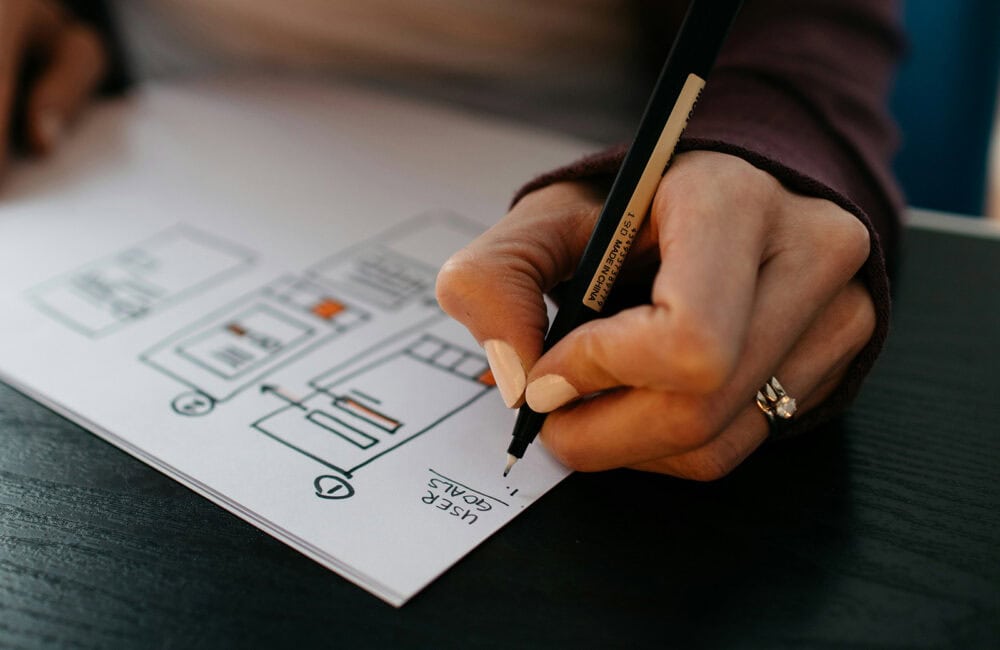
Planning a new website can be exciting and — if you’re anything like me — a little daunting. Whether you’re an experienced freelancer, a team of hardened developers, or a small business owner, a well-structured plan is critical for success.
In this post, I’ll give you the benefit of my experience, guiding you through the essential steps of planning a web design project and ensuring that you start off on the right foot and follow through to a successful end product.
OK, first things first: before we dive into any design or development work, it’s absolutely essential that you have a clear understanding of what success means to you. Are you looking to increase sales, improve brand awareness, or provide information to your audience?
I find it helpful to break down objectives into SMART goals. SMART stands for specific, measurable, achievable, relevant, and timely. This approach helps you stay focused rather than drift off on flights of fancy.
Based on your SMART goals, outline the strategies and actions needed to achieve them. This could involve improving website navigation for better UX (user experience), optimizing for SEO to increase visibility, or creating compelling content to engage visitors. In reality, it probably means all that and more.
Monitor your project’s progress against your SMART goals. When you see yourself starting to diverge, it’s time to revisit the plan.
Understanding your audience is critical to designing a website that effectively meets their needs.
Determine who your primary website users will be. Consider age, gender, location, interests, education, and specific needs.
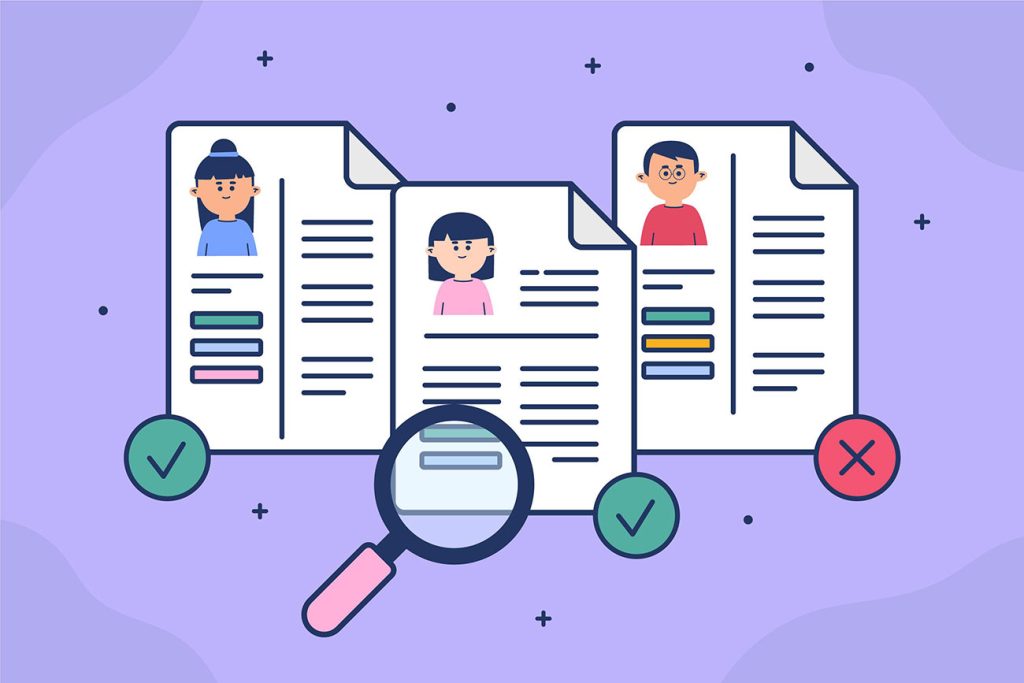
Develop detailed personas for your typical users. Include information about their demographics, behaviors, motivations, and challenges. Personas should represent the different user types that will visit your website. Personas don’t replace testing with real users, but they’re an excellent place to start when you don’t have anything to test just yet.
Studying successful businesses in your field can sometimes tell you more about the market and how to succeed in it, as analyzing your customers.
Using insights from your audience and competitor analysis, decide on the key features and types of content your website will offer. Prioritize these based on what will most effectively meet your users’ needs and differentiate your site in the market.
Compile your research and decisions into a strategy document. This document will serve as a reference throughout the design process, ensuring your website meets your target audience’s needs and stands out from the competition.
If you don’t know the answer to these questions, now is the time to seek professional help. Even if you’re an experienced designer, it doesn’t hurt to run your ideas past a developer — new tech hits the market all the time, and there may be a good solution that you weren’t aware of.
To streamline your project planning, ensure you’ve set a timeline and a budget.
Set realistic deadlines:
Create a detailed budget:
By focusing on these points, you’ll maintain control over your project’s timeline and finances, paving the way for a successful completion.
It’s easy to start a website, but starting a successful website that doesn’t chew through your budget is a little trickier. The process requires discipline to take the strategic steps necessary to create a website that aligns with your overall business goals.
Start with a clear definition of goals. Use the SMART goals approach to set a strong foundation. Although you may need some flexibility throughout the project, starting with a formal structure will get you on the right foot.
Understanding your audience and their needs is crucial in creating a website that they find helpful. Your site structure and technology stack should support delivering these insights. Get it right, and you’ll not only have new users but also retain old ones.
And, of course, meticulous planning around timelines and budgets ensures nothing gets out of hand.
This holistic approach ensures that your website looks appealing and effectively meets business goals and user needs.
Let’s talk about something painful, yet incredibly important: Your portfolio. Yeah, that carefully curated collection of your best work. The one you’v

Sometimes, creating the ideal design means thinking carefully about what you want to accomplish for your client. The purpose of your web creation has

User Experience (UX) is one of the most important fields of design, so it should come as no surprise that there are a multitude of tools available to

As sometimes happens, I was thinking the other day. In this case, I was doing my thinking after finishing a long video game: Far Cry 5. It occurred to
2024 has seen an explosion in AI-powered tools and services, some genuinely helpful, others simply bandwagon jumping. It is clear that, with or withou
A user experience is something that every website offers to those who visit it. However, the experience will differ from website to website in a wide
We are a dynamic information platform dedicated to delivering timely, relevant, and reliable content across a broad spectrum of topics. From the latest in technology and business to lifestyle, health, and global affairs, we aim to keep our readers informed and inspired.
Our editorial team is committed to maintaining high standards of accuracy and clarity, ensuring that every article provides value and context in an ever-changing world. We believe in the importance of accessible knowledge and strive to make complex topics understandable for everyone.
Whether you're here to stay updated on current events, explore thought-provoking features, or simply learn something new, our goal is to offer a trustworthy source of information that meets the needs of a diverse and curious audience.