How to Pick Your Next Tech Focus
Every day, people are asking themselves things like, “React or Vue?” “VR or no VR?” “CSS Grid or Flexbox?” These are the wrong questions entirely, bec

It’s happened to every designer at some point: A client or co-worker makes an absolutely cringe-worthy comment about your work.
Feedback is important. And often the problem with some of these elements no designer ever wants to hear is that they cause a roadblock in the communication process. So here we look at some real-world situations (with a spark of humor) and ways you can handle what comes across as tactless, thoughtless comments with grace.
This might be one of the most useless phrases in this history of design. Why don’t you like it?
To learn more about what’s not working for a client, you will have to ask some questions. There are a lot of people out there who operate on the “I’ll know it when I see it” philosophy. That’s just not practical.
Develop a set of questions to ask when you get this response. Ask about the colors, typefaces and images to figure out what isn’t liked. Often something as simple as a font choice can “fix” the entire design.
If you start working for free today, your work will never be valued tomorrow. While there is a time and place for pro bono work, someone who is hiring for a design job or project needs to understand the cost – and be able to pay for work.
If a client tries to negotiate a trade or “publicity” for projects, take a moment to educate them on the costs of design. There’s time and software and expertise. And if the client still doesn’t want to pay, walk away from the job.
Um … no.
Before you roll your eyes – ok, after you roll your eyes – ask politely for the original files.
So, what does “pop” mean, exactly?
This is one of those phrases that everyone tends to use, but no one really understands. Is “pop” color, or copy, or size? Does is mean trendy? Go back and ask what element needs to be different.
Sometimes this is the start of a design conversation. Before you run away, try to pull the information out of the client. Have them show examples they do or don’t like to give you a place to start.
Sometimes the logo does need to be bigger. Clients will always think so. It’s their brand mark and they want it displayed prominently.
Compromise on this one. Just assume from the start of a design project that you’ll hear this phrase and imagine how the bigger logo will fit into the layout. Once it is big enough, have a conversation about size and scale to help the client understand why making the logo any bigger could be distracting or detract from the goal of the design.
In other words … “I have no idea what I want.”
These really are the worst kind of client. I’ll take someone who knows exactly what they want—even if I don’t agree—over the “be creative” people any day. The phrase “just be creative” is an almost foolproof sign that there will be so many revisions, all without direction.
If that’s the creative direction, avoid the project if you can.
In all seriousness, you can help develop creative direction by finding out what the client is looking for. Ask these questions to get started:
It might be a time for a lesson in plagiarism. Copying a design is just plain wrong.
It’s OK to share examples of likes, but not to just mock up something that looks like another design. It will hurt your credibility as a designer and has the potential to present a flurry of issues for the client.
I can, but I’m going to charge you by the hour.
It’s a tough situation: You have already taken the job and in early meetings the client starts asking for a lot. It’s more than just scope creep; it’s scope on a runaway train.
It’s important that you explain and set boundaries from the beginning. Some designers and agencies write a number of comps or revisions into the contract, while others set revision or mockup times to a certain number of hours. These “rules” can help you keep the idea dump from becoming a real problem, and provide an opportunity to charge for it if the client really wants to see it all. (Occasionally, there are some that will want to do that.)
Collaboration is one thing. Designing with a client is another thing completely.
You might have to do a little client management in this situation. Rather than sitting down and working on the design together, offer some other ways they can help:
Then keep this client in the loop. Long periods without communication could be stressful for them and lead to even more desire to “help.” Provide frequent progress reports and updates to make them feel like part of the process.
Nothing makes a designer feel devalued like someone else telling them the work doesn’t take long. It’s offensive.
But before you just ignore them completely, politely ask what needs to be done and provide an estimate of time (and cost, if applicable). Don’t get caught in a swell of anger as you want to tell them everything that goes into changing a design or creating something new, just state the facts.
And if they continue to devalue your work in the future, fire them as a client. (Or show them this article in hopes that they will see the error in their ways.)

Every day, people are asking themselves things like, “React or Vue?” “VR or no VR?” “CSS Grid or Flexbox?” These are the wrong questions entirely, bec
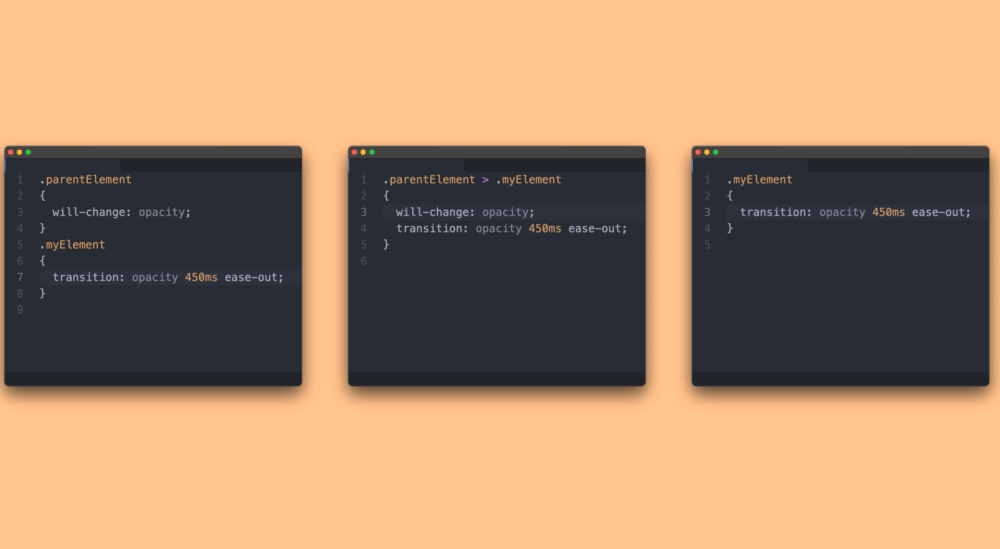
Writing fast CSS is about knowing your CSS selectors, knowing your shorthand, and understanding how properties are best applied. What better way to sp

Welcome to November’s new sites collection. Minimalism continues to be a dominant trend among well designed websites, but it is clear that minimal doe

Game development and web development have more than a few things in common. Specifically—if you’re lucky—you’re developing a product that will be seen

However, as the digital landscape continues to evolve, you might be curious about exploring fresh LinkedIn alternatives. Perhaps you’re looking for pl

SaaS Customer On-boarding is the process that users have to experience while initiating their journey as a customer on a company’s software applicatio
We are a dynamic information platform dedicated to delivering timely, relevant, and reliable content across a broad spectrum of topics. From the latest in technology and business to lifestyle, health, and global affairs, we aim to keep our readers informed and inspired.
Our editorial team is committed to maintaining high standards of accuracy and clarity, ensuring that every article provides value and context in an ever-changing world. We believe in the importance of accessible knowledge and strive to make complex topics understandable for everyone.
Whether you're here to stay updated on current events, explore thought-provoking features, or simply learn something new, our goal is to offer a trustworthy source of information that meets the needs of a diverse and curious audience.