Design Handoff Pitfalls: Common Mistakes and How to Avoid Them
When it comes to web design, the handoff process is where the magic (or more often, the chaos) happens.For many advanced designers, this phase — where


I’m a lucky person. Every day I get to do what I love, which is helping clients work out what their web project is going to look like.
As any good account handler or project manager will tell you, their primary role is to make sure that a project goes as smoothly as possible. This can mean managing people on both sides of the fence, and keeping everyone happy is no mean feat.
I’m a big believer that getting a project off to a strong start is integral to the success of that project, and for me that means helping the design team hit the ground running, and making sure they can begin doing what they do best as soon as possible.
I’ve read plenty of material recently describing account handlers as having a negative effect on the creative process of a project. These criticisms range from the account handler not allowing the designer access to the client throughout the project, through to making the designer jump through hoops on the whim of a client. Whilst I’m sure these aforementioned criticisms occur every day in the industry, I want to discuss how I believe an account handler can make a designer’s job in a typical web agency so much easier.
For me, the initial stage of a project is one of the most exciting parts of a new website project. It’s the time you get to speak to the client and really get to understand what they want to get out of working with you and your company. However, clients can sometimes be unsure of what they want, and if there’s a big team working on the project at the client’s end, it’s easy to get mixed messages and issues like design by committee becomes a genuine concern.
Whilst it can be beneficial, at times, for the project’s lead designer to be part of these initial discussions, I don’t feel that’s the best use of a designer’s time. This is especially relevant in agencies where a designer might be juggling several projects at once, and their time is even more valuable than usual. I would hate to think of the impact including the design team on all initial meetings would have on the productivity of an agency!
I believe the ability to extract and define a clear set of high level project objectives is one of the main signs of a strong account handler, and putting some of the elements mentioned below in front of the lead designer in an internal kick-off meeting can get things off to a great start and increase the designer’s confidence in yourself and the client:
It constantly surprises me how often clients struggle to answer these questions, and I don’t feel a designer’s time is best spent helping a client come up with those answers. I want my designer to feel motivated by the task at hand, not be fatigued by helping the client work out the finer details of the project.
If you’ve briefed the team on the project and had that all-important kick-off meeting, it’s more than likely time to begin the project’s wireframing stage. By the time these stages begin, it’s important that an account handler has collected a number of project assets, which could/should include:
Nothing will dampen the enthusiasm for a project quite like the absence of vital materials like the ones listed above. This is the point in the project where it should be all systems go, and having to chase for assets at this stage can really kill momentum.
Plans change, and it’s how you adapt to these inevitable revisions that will decide the overall outcome of the project. However, it’s also important that your process is set up to protect a designer and keep their work streamlined. If your designer is complaining that all they’re doing is revision after revision, then something has fallen down in the project process and it’s the designer’s workload that is going to feel the effects of that. If we have successfully:
Then change, especially to visuals, should be minimal. It’s also important however, to be open to change and accept the possibility that even though we have gone through a lengthy planning stage, additional value can still be brought to the project in the shape of revisions. I treat a project plan/specification as a detailed guide, but refusing to budge even a little from what has been agreed can have a detrimental affect on the project.
Filtering a list of additions or changes from the client, before they get to the design team, can ensure team members stay focussed and do not begin to grow tired of constant tweaks and changes.
We’ve spoken about the need to sometimes embrace change, and how that can be of a benefit to the project, however there will be times in most projects where a client may request something that sits outside of the agreed specification. This may also have a knock-on effect to deadlines, possibly affecting the rest of the project team.
How we approach revisions in general, very much depends on the account handler’s knowledge of what the designer’s role involves. I’ve heard stories of account handlers needing clarification on what a client was referring to when they mentioned a ‘URL’, I imagine this makes it a challenge to appropriately filter revisions. If, however, you have an understanding of the design and development process, you will know that even the smallest requests can cause hours of work to be undone.
It’s an account handler’s job to process, filter and sometimes reject change, in the interest of the project. This, in my opinion, is one of the most important responsibilities that an account handler has, and it’s a vital that we protect the project and its team from unnecessary work where possible.
Let me start by saying an account handler should never dictate. The designers are the creative part of the team for a reason. I do see it important to give steer where necessary though, and you should have an opportunity to do this in your internal progress meetings, or just by catching up with the team whilst they’re working.
How much steer you provide will depend on your knowledge of a) the project and b) the ‘industry’ itself. Taking the time to read up on and understand latest industry practises such as responsive design, UI/UX and the discussion around designing in the browser can give you a great platform on which to positively influence a project.
If you have an opinion on how certain things might look or work, mention it. If the designer dismisses this or suggests a route they think is more suitable, go with it. You’ll get a chance to provide full feedback before the client sees anything, and you can review things when the designer is happy to share their work.
It’s important you provide a designer with the freedom to do what they do best. This can only result in an increase in trust between between yourself and the designer and in turn, they should value your input from project to project.
To work efficiently, a project team needs more than just a middleman who will pass things from A to B. Take your chances to positively influence the project and continually put yourself in the shoes of your teammates and clients.
A strong working relationship with your design team is key to a successful project, and I believe the steps I’ve detailed here can only improve the chances of them producing the best work possible.
Do you work as an account manager, are you a designer working with an account manager? What benefits does the relationship deliver to clients? Let us know in the comments.
Featured image/thumbnail, steering image via Shutterstock.

When it comes to web design, the handoff process is where the magic (or more often, the chaos) happens.For many advanced designers, this phase — where
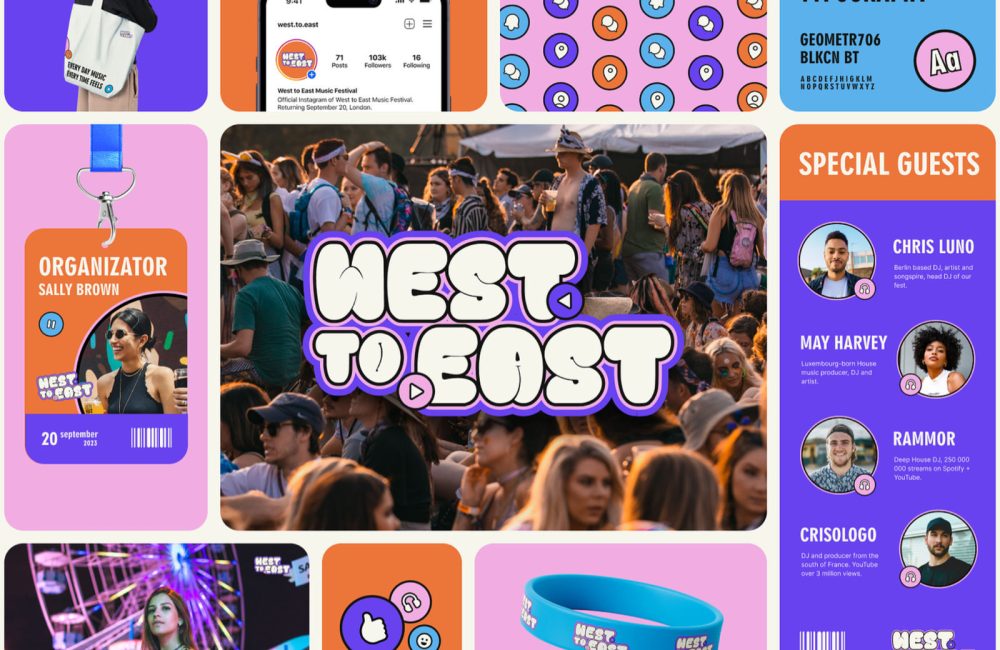
The Bento Box trend has been around for a while, but it’s only in the last year or two that it’s gained momentum, as designers have realized how delig

Whether your style is bold, soft, or somewhere in between, we’ve got something perfect for you. So let’s take a look at some of this month’s must-see

It’s Christmas Eve, and Santa Claus is preparing for his busiest night of the year. But have you ever wondered how Santa manages to create a seamless

Let me say this first: flexbox is easy. Whether it’s because of early-adoption issues, or because we’ve learned to think in terms of floats and blocks
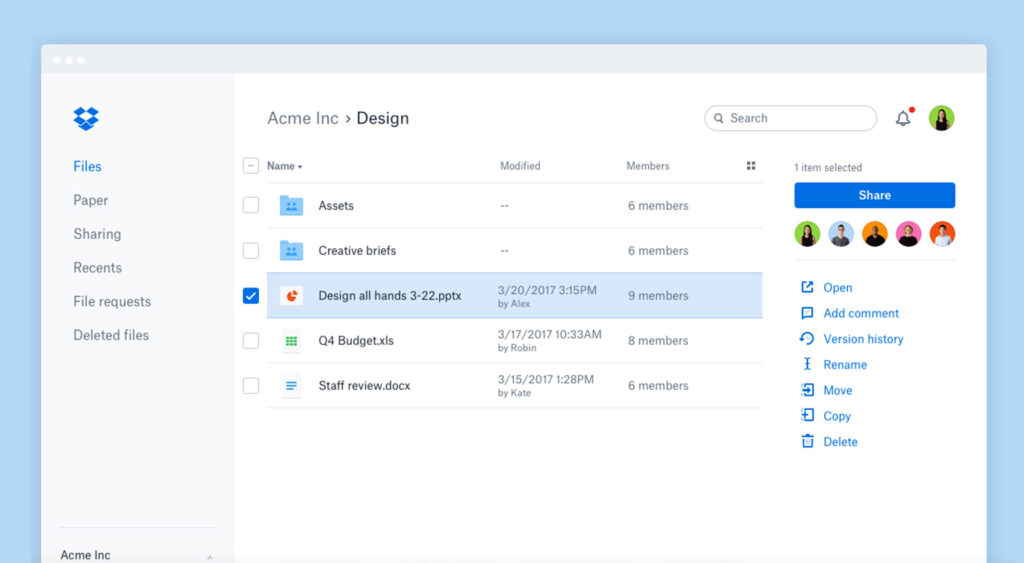
Whenever you’re working with teams as a web designer, chances are that you’re using Google Drive, Evernote, or Dropbox for any collaborations like fil
We are a dynamic information platform dedicated to delivering timely, relevant, and reliable content across a broad spectrum of topics. From the latest in technology and business to lifestyle, health, and global affairs, we aim to keep our readers informed and inspired.
Our editorial team is committed to maintaining high standards of accuracy and clarity, ensuring that every article provides value and context in an ever-changing world. We believe in the importance of accessible knowledge and strive to make complex topics understandable for everyone.
Whether you're here to stay updated on current events, explore thought-provoking features, or simply learn something new, our goal is to offer a trustworthy source of information that meets the needs of a diverse and curious audience.