The Evolution of Web Design: From Pixel Art to AI-Generated Experiences
Web design has always lived at the intersection of creativity and technology. It’s a practice that’s evolved not just in response to technical advance

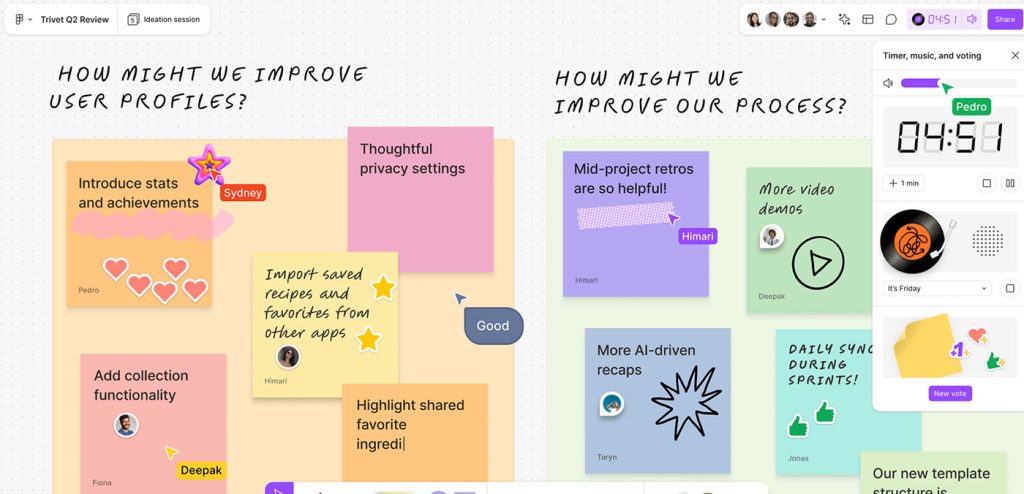
You know what? Collaboration’s overrated. There, I said it. “Teamwork makes the dream work” is just something people say when they don’t want to make decisions. And Figma? Don’t get me wrong—it’s brilliant, a game-changer even.
But sometimes, it feels like the digital equivalent of leaving your door wide open and letting everyone wander into your house. Some people bring great ideas; others just knock over the furniture.
When I first got into Figma, I thought it was magic. Designers, developers, marketing people—all of us in the same file, working together in real-time. It was this beautiful chaos where ideas bounced around, and projects that used to take weeks came together in days.
There was this one time a teammate from sales flagged a glaring issue in a mockup during a live review. We fixed it right then, and honestly, it felt like we’d hacked the system. Collaboration at its finest.
But then the honeymoon phase ended. The more we used Figma, the more it started feeling like there were too many cooks in the kitchen. Everyone with a keyboard suddenly had opinions—and editing rights.
Have you ever had a design go from clean and polished to a Frankenstein monster because everyone and their dog wanted to “tweak” something? It’s maddening. And don’t even get me started on the hours lost debating whether a button should be blue or green. (Spoiler: No one cares, except the three people yelling about it in the comments.)
Figma makes it too easy for people to chime in, and honestly, not everyone should. I’ve opened files that look like crime scenes—half-finished ideas, duplicated elements, random notes floating around like debris. You’re left piecing together what’s relevant, what’s trash, and what in the world the original vision was supposed to be. It’s exhausting.
And the feedback? Oh, the feedback. There’s constructive input, and then there’s “I just don’t like it.” Cool, thanks for that. Or the classic “What if we made it pop?” Pop? What does that even mean? Sometimes I feel like I need a decoder ring just to figure out what people are trying to say.
After one particularly chaotic project, I hit a breaking point. Something had to change. I started laying down some ground rules—not because I’m a control freak, but because I actually care about getting good work done.
First off, not everyone needs editing rights. If you’re not designing, you’re commenting, period. And comments? Be specific or don’t bother. “This feels off” doesn’t help anyone. Tell me what’s off and why.
I also became ruthless about organizing files. Every project gets a naming convention, old versions get archived, and no one touches the “final” file without a plan. Is it a little OCD? Maybe. But you know what? It saves hours of frustration.
Another thing I started doing is scheduling feedback sessions instead of letting it trickle in constantly. We’ll all sit down, hash it out, and move on. It keeps things from spiraling into endless revisions. And sometimes, I ditch the live collaboration entirely.
Asynchronous feedback—where people leave comments on their own time—has been a game-changer. It gives me space to think and respond thoughtfully instead of reacting in the moment.
At the end of the day, the problem isn’t Figma. It’s how we use it. Figma’s just a tool—it’s like a scalpel or a paintbrush. In the right hands, it creates masterpieces. In the wrong ones, it makes a mess.
So yeah, it can encourage too many cooks, but only if you let it. Set boundaries, get everyone on the same page, and you’ll be fine.
But if you’re still stuck arguing about button colors at 9 p.m., don’t say I didn’t warn you.
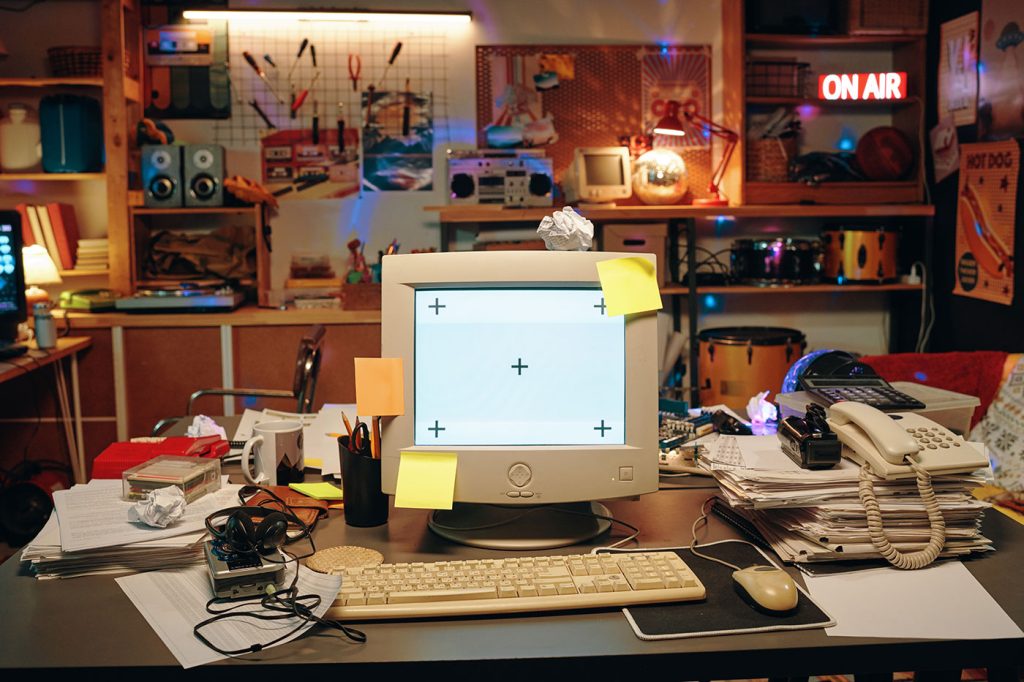
Web design has always lived at the intersection of creativity and technology. It’s a practice that’s evolved not just in response to technical advance

For most designers – freelance or in-house – generating new business can be a dreaded part of the job. But it necessary to maintain and sustain growth

“It looks great, but can you make it ‘pop’ more?”We’ve all been there, the dreaded subjective design feedback, no use to anyone; let’s stop a moment a
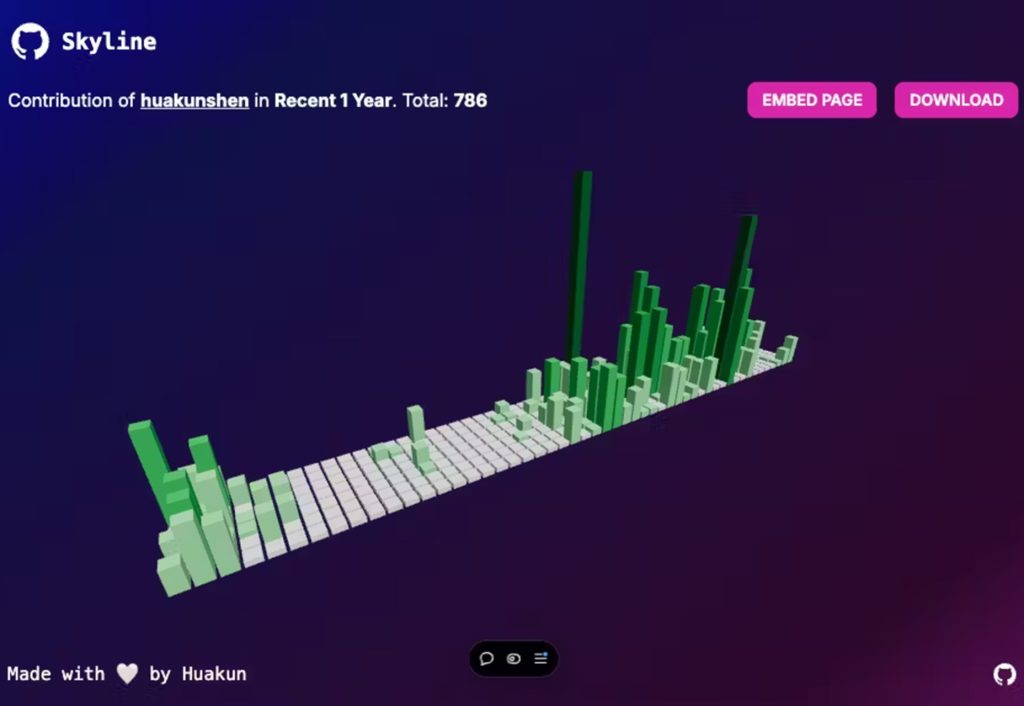
Everyone loves to work smarter. This list of free resources for web designers will help you find tools, themes, fonts, and other resources that can ma

Passwords are like the junk drawer of the internet: overstuffed, unreliable, and full of things you meant to replace years ago. We’ve spent decades ju
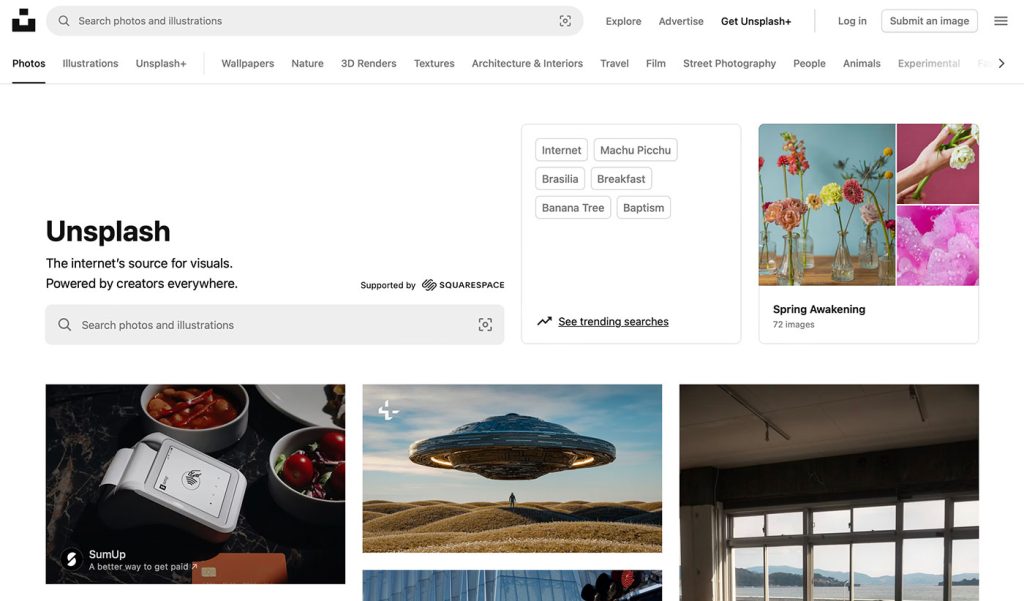
Have you ever visited Unsplash, that go-to treasure trove of beautiful, free stock images, and wondered why on Earth they’ve decided to clutter their
We are a dynamic information platform dedicated to delivering timely, relevant, and reliable content across a broad spectrum of topics. From the latest in technology and business to lifestyle, health, and global affairs, we aim to keep our readers informed and inspired.
Our editorial team is committed to maintaining high standards of accuracy and clarity, ensuring that every article provides value and context in an ever-changing world. We believe in the importance of accessible knowledge and strive to make complex topics understandable for everyone.
Whether you're here to stay updated on current events, explore thought-provoking features, or simply learn something new, our goal is to offer a trustworthy source of information that meets the needs of a diverse and curious audience.