Opera’s introduces a new power-saving mode, continues the browser war
The last couple of months have been nothing short of groundbreaking for the Opera browser and the company. Two months ago, it made headlines with the


Writing for the web is different from all other formats. We typically do not read to any real depth on the web; we scan-read.
Why do we scan read on the web? Most probably because of information overload; we know that the information hasn’t been vetted, plus we know that there are millions of other sources at our fingertips.
For years, designers have focused on making text online more readable, and nothing has worked. So perhaps it’s time to accept the inevitable and embrace writing text that is scanned rather than chasing a deep read.
Eye-tracking studies in the late 1990s and early 2000s demonstrated that 4 out of every 5 users scan a webpage rather than read it thoroughly. Much of that research has been debunked now that the web is more prevalent and users are used to digital mediums.
And yet, scanning a page is still the most likely way to approach text on the web — perhaps it’s a self-fulfilling prophecy, or maybe it’s how the human eye prefers to work. What we do know is that users scan web pages in distinct patterns:
The web is packed with examples of how to write great text that connects with people. Corporate style guides are a great source of how to capture and keep a reader’s attention.
Writing effectively for the web means embracing the reality that most users will scan rather than read deeply.
By understanding and leveraging common scanning patterns such as the F-pattern, layer-cake, spotted, zigzag, and lawnmower patterns, writers can tailor their content to meet the needs of a fast-paced, information-rich environment.
To create scannable text that resonates with readers, incorporate brief paragraphs, vary sentence lengths, use bullet points, and craft clear, informative headings. These strategies not only enhance readability but also ensure that the key messages are conveyed efficiently, even in a quick scan. This approach respects the reader’s time and attention, catering to their scanning habits while delivering content that is both accessible and engaging.
Ultimately, by adapting to the intrinsic behaviors of web users, writers can produce more effective and engaging online texts that stand out in a crowded digital landscape.

The last couple of months have been nothing short of groundbreaking for the Opera browser and the company. Two months ago, it made headlines with the
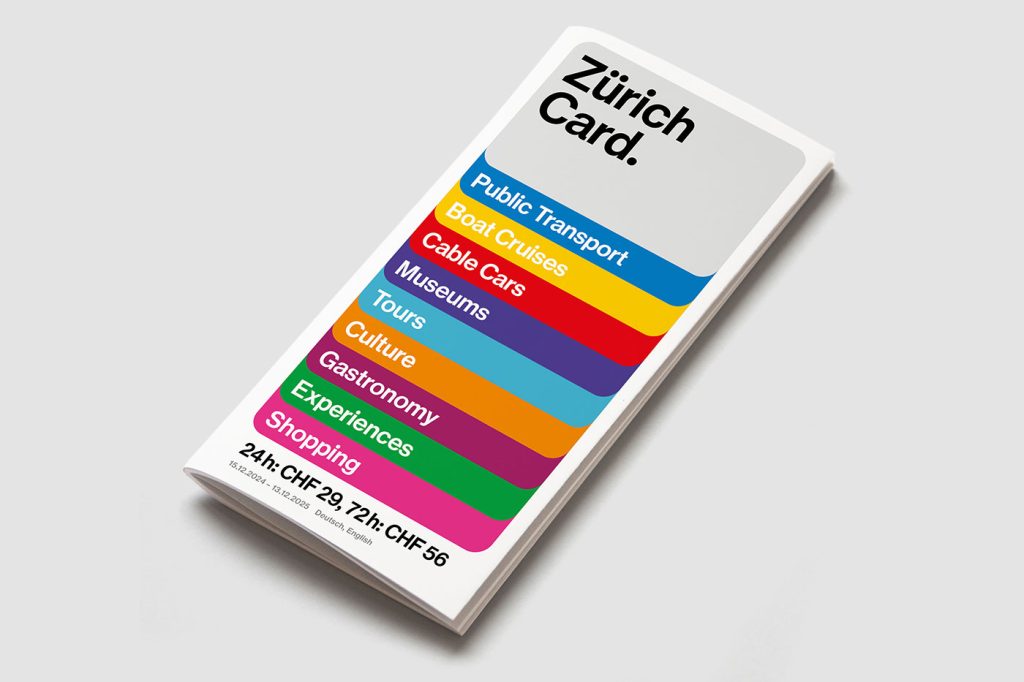
Most city passes look like something you’d shove in your wallet and forget about. The Zurich Card just got the opposite treatment—thanks to Studio Mar
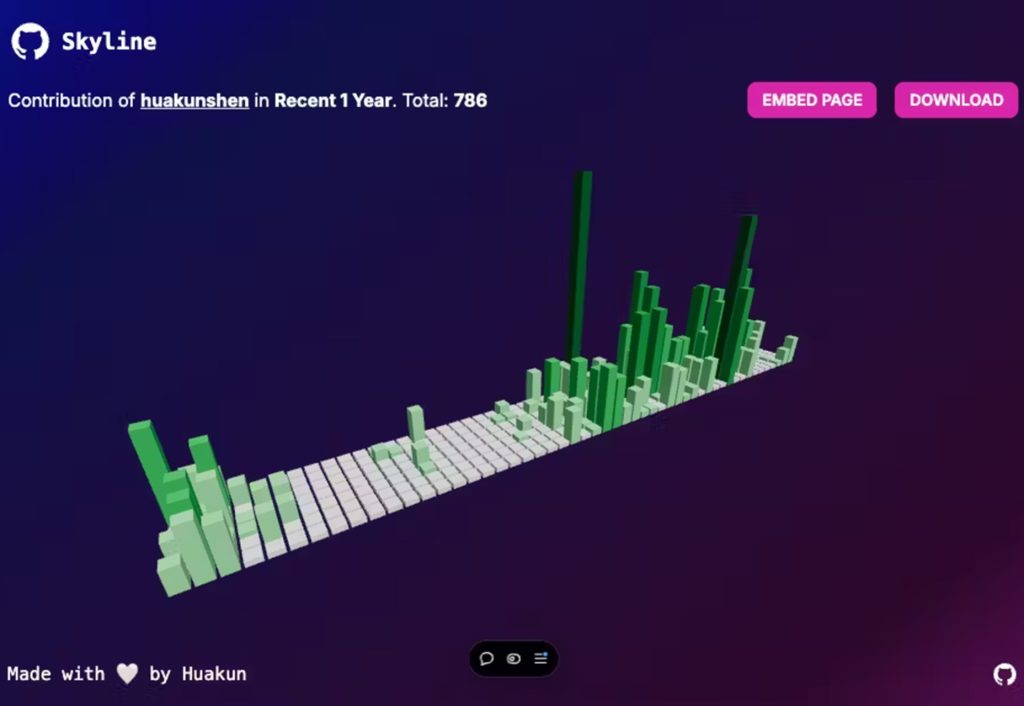
Everyone loves to work smarter. This list of free resources for web designers will help you find tools, themes, fonts, and other resources that can ma

That’s a big part of the reason so many designers are stripping down menus to more minimal styles. (Plus, it can create a cleaner, more sleek overall

If you’ve ever rage-closed an app because it wouldn’t let you “go back” or stared at a form that made you feel like you were applying for citizenship

For many of us, sound is an essential part of everyday living. Our day starts with a sound of alarm clock and ends with the subtle click of light swit
We are a dynamic information platform dedicated to delivering timely, relevant, and reliable content across a broad spectrum of topics. From the latest in technology and business to lifestyle, health, and global affairs, we aim to keep our readers informed and inspired.
Our editorial team is committed to maintaining high standards of accuracy and clarity, ensuring that every article provides value and context in an ever-changing world. We believe in the importance of accessible knowledge and strive to make complex topics understandable for everyone.
Whether you're here to stay updated on current events, explore thought-provoking features, or simply learn something new, our goal is to offer a trustworthy source of information that meets the needs of a diverse and curious audience.