How to attract a never-ending supply of clients
Your business is starving. You’re struggling to get the clients and projects you need to keep your business going. Sometimes, it feels like you’ll nev

In 2014, I was a busy, young software engineer working full-time for a tech company in London. On a quest to be hyper efficient, I was always was on the hunt for user-friendly tools that would streamline my workflows and cut back on paper usage, which proved to be a challenge.
I fell right into a market gap when I needed to edit and modify PDFs but none of the tools on the market offered a user-friendly interface with the functionality I needed or wanted.
While plenty of tools were sitting pretty on the throne of page one search results (and sported snazzy marketing campaigns), I still needed a product that prioritized user experience over marketing; a central platform to perform PDF tasks.
All the available options fell flat.
Then I realized that, if I built my own application, I could help everyone from professionals to creatives get their PDF work done online, for free.
So I did.
With a fluency in back-end development, I built the online PDF editor myself. Since I couldn’t afford to quit my day job, I spent nights and weekends programming PDF Pro. Building a product was exciting, yes, but unsurprisingly, it was hard work. Armed with a long list of features and functionalities I wanted the product to have, it was easy for me to focus solely on the complex backend of the software and neglect the front end.
As an engineer, my goal was to build the best online PDF editor available. I thought this meant offering a laundry list of features in order to meet a wide range of use cases. The original design of the product was geared towards communicating all of the tool’s functionalities. For example, after uploading a file, the user was presented with every available option for editing their file. I thought that my product’s breadth of features would impress users and drive sales.
[pullquote]while my company was successful at marketing…we suffered from poor conversion rates[/pullquote]
And while my company was successful at marketing the product (as evidenced by the thousands of users who used, and still use, the application every day), we suffered from poor conversion rates.
I felt lost. Wasn’t I offering a more robust application than any of my competitors? What was happening between the time users entered my site and when they bounced? I needed answers.
With the help of an agency, I conducted significant user research to better understand high-level user needs. I also implemented specialized tools, such as Hotjar, that elicited customer feedback and tracked behavior flows so I could understand minute patterns and details.
It became clear: user needs were not being met; a painful, yet valuable, discovery. Even great marketing couldn’t outrun poor UX.
At the genesis of PDF Pro, I focused only on broad goals like ‘increase user acquisition.’ By comparing high-level needs with the nitty gritty feedback, I quickly learned that customers were looking for very specific solutions.
Using these valuable data and insights, I adjusted my approach towards implementing great UX in three critical areas, which resulted in driving significant gains (sometimes north of 100%) for the product’s conversion rate.
Here’s what I needed to understand:
Simply put, query intent refers to the understanding of what problem the user is seeking to solve. And in turn, great UX and optimization should be able to offer solutions that meet that intent.
While customers will frequently search for a ‘PDF editor’, this term means different things to different users. Some users are only focused on converting images to PDFs while others are more interested in electronic signature solutions. To help match query intent, I created a series of mini-products focused on specific needs (e.g. ‘convert PNG to PDF’ or ‘sign a PDF’).
Beyond designing the product around these specific workflows, I also published ‘how-to’ content helping even the most novice users navigate the service and find what they needed, when they needed it.
It’s no secret that humans seek affirmation and direction. People are more likely to experience a boost in confidence when they have clear directions and guidance on what they’re “supposed” to do.
Feeling like you have a guide when you’ve moved to a new city is always comforting; the same goes for the virtual user experience. Clear instructions can offer this level of confidence to users (and help them avoid situations where they feel incompetent).
Provide users with clear instructions and how-to’s through the use of copy, micro-copy, and illustrations. Inversely, there’s nothing worse than taking an action and the action results in…crickets. Never leave your user wondering what went wrong or what to do next. Be sure to include clear feedback when a user “takes a wrong turn” or enters an invalid information.
Few things are as relatable (or more annoying) than waiting for the spinning “rainbow wheel of death” to leave your Macbook’s screen. Or, obsessively refreshing your browser when a page is slow to load. How long do you give your technology to load before you give up hope and jump ship? 2 seconds? 3 seconds?
Site speed matters. In fact, it matters so much that if a website takes longer than three seconds to load, nearly half of all visitors leave. Remedy high bounce rates and low conversions by respecting your user’s time; make sure your site’s images and CSS are properly optimized and keep your scripts below the fold.
As great developers and designers know, the importance of UX and functionality eclipse marketing. Yes, great marketing attracts users but if they can’t figure out how to use your software quickly and easily, they will give up and move on to one of your competitors. So, before you jump feet first into your marketing campaign, take a long, hard look at your user experience and how it satisfies the customers’ needs or helps them achieve their goals. Remember, it’s not about you, it’s about them.
Featured image via Unsplash

Your business is starving. You’re struggling to get the clients and projects you need to keep your business going. Sometimes, it feels like you’ll nev

If you are a web designer/developer who currently bills per hour, I hope I can persuade you to change your pricing method to value-based pricing. In t

Understanding the true value of the work we do is one of the first lessons many of us learn. Turning away spec work, focusing on growing the skills th
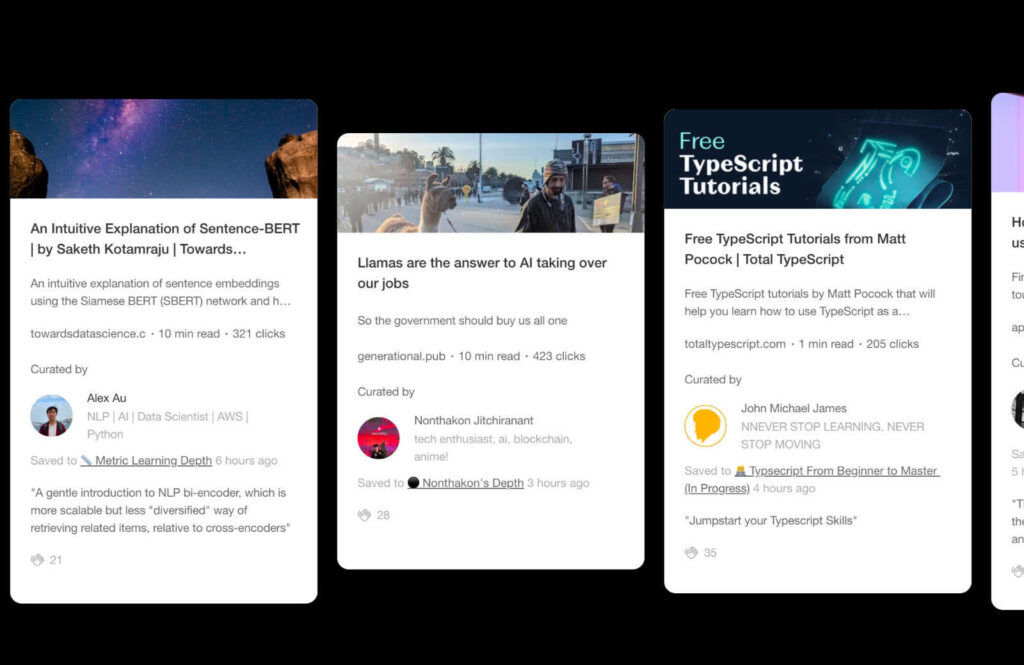
These latest bits of kit aim to speed up your workflow, simplify your tasks, organize your load, and take care of all the extra business stuff, so you
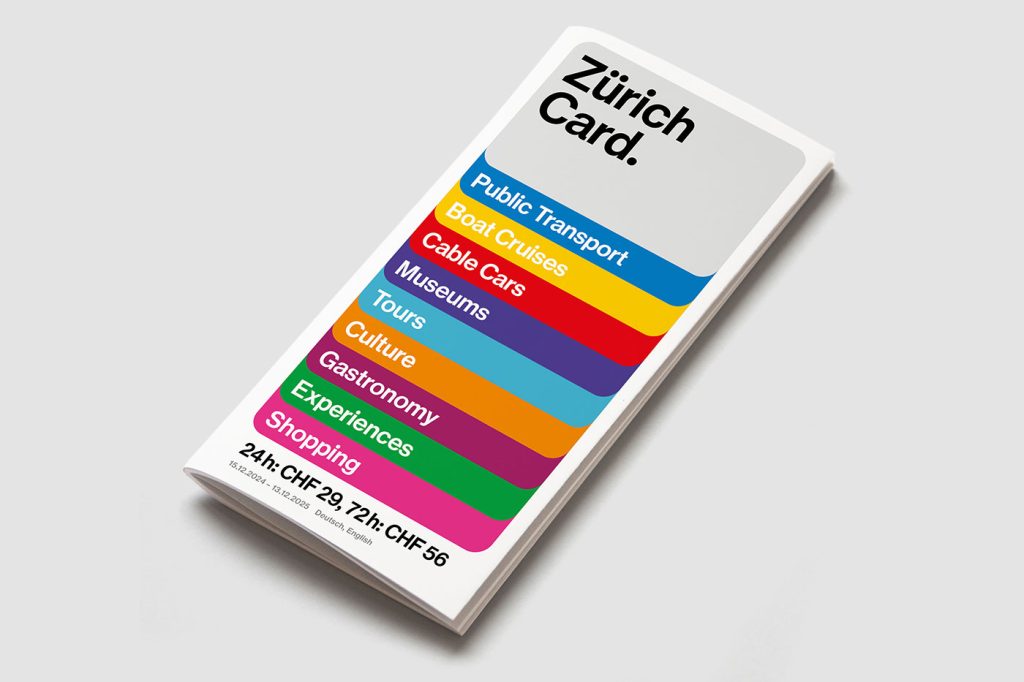
Most city passes look like something you’d shove in your wallet and forget about. The Zurich Card just got the opposite treatment—thanks to Studio Mar

This one’s for the absolute beginners. Once you’ve learned how the box model works, and how to float those boxes, it’s time to get serious about your
We are a dynamic information platform dedicated to delivering timely, relevant, and reliable content across a broad spectrum of topics. From the latest in technology and business to lifestyle, health, and global affairs, we aim to keep our readers informed and inspired.
Our editorial team is committed to maintaining high standards of accuracy and clarity, ensuring that every article provides value and context in an ever-changing world. We believe in the importance of accessible knowledge and strive to make complex topics understandable for everyone.
Whether you're here to stay updated on current events, explore thought-provoking features, or simply learn something new, our goal is to offer a trustworthy source of information that meets the needs of a diverse and curious audience.