Wix’s New AI Web Development Software Allows Users to Create Unique Websites from Prompts
Following this update, Wix becomes the latest major tech company to embrace artificial intelligence. The web dev giant follows in the footsteps of Goo

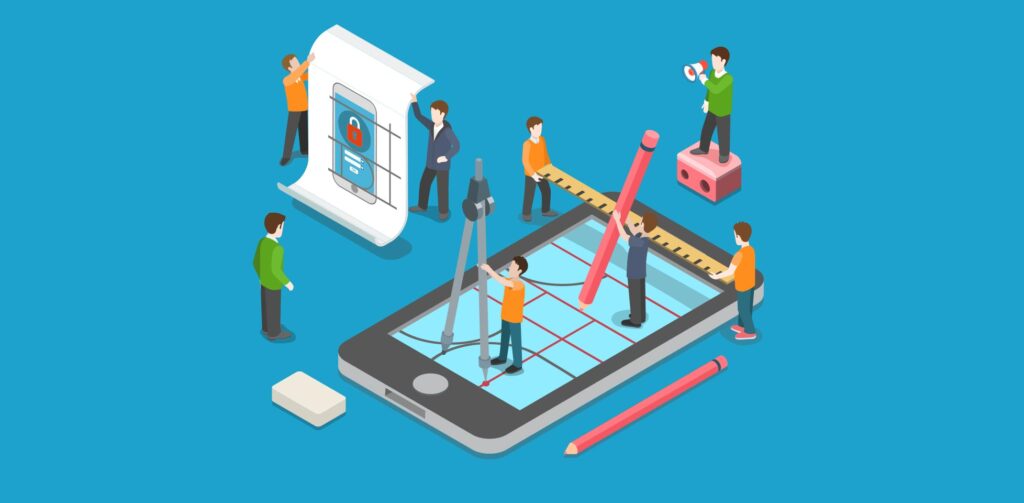
The short answer is “yes”, but it is not as straight forward as that; not all web designers need to be UX designers or UI designers, but they should all have some sort of basic UX understanding since their designs play a significant part in how users experience a product or service.
When a user visits a website or app, the first thing that they experience is the design. Design plays a huge part in shaping the user experience while supporting the brand’s voice and character.
[pullquote]Without… basic user experience…companies may end up with a lovely looking website; but zero conversions[/pullquote]
While platform, app and product companies most always hire a UI Designer, web designers usually design websites. Websites, however, are not that different from an app interfaces: there is a menu that guides the user through the content and, ideally, through a funnel; the user needs to be able to understand where the brand wants them to go with an easy to follow intuitive flow.
Without implementing at least basic user experience elements in website design, companies may end up with a lovely looking website; but zero conversions, high bounce rates, and disgruntled visitors.
Blogs and news sites are talking about the “death of web design”, claiming that web design and web designers are a part of the past. The idea behind this trendy topic is that web designers can no longer be just web designers. They are either UX designers or web developers that can design. Companies, and especially startups, want to hire one person to take care of their design requirements without having to hire a UX expert as well.
Today, more and more marketers and companies are beginning to realize the importance of investing in creating a great user experience for their audiences throughout the entire customer lifecycle. Digital walkthroughs are added, support channels are optimized, and content is written with the user in mind. This has a direct affect on all stages of the customer lifecycle.
When putting an emphasis on user experience throughout the acquisition channels, conversion rates instantly increase. This is done by making the conversion funnel from ads, blogs, or social posts, to a landing page, easy to understand and visually pleasing to the user.
Users that need to spend time finding the next step in the funnel will move on to a competitor. While content plays a huge part of the conversion cycle, web design is the first impression the user gets and they need to instantly know where the company wants them to go in order to move forward.
Customer support is often neglected, or seen as something that requires less investment. It is not something web designers usually think about, but they should.
Once a customer purchases or subscribes, it is important to provide them with the best possible service and support in order to lower support expenses and increase customer satisfaction. One of the ways a lot of companies get this done is by creating a support interface or website for their existing clients. The design of this site needs to be easily understandable, it needs to take into consideration the audience demographic, and it needs to help them get to the information they need easily without having to request human support via chat or phone.
The last part of the customer lifecycle is user retention. It is all about getting the customer to continue paying for the company’s services or products. This relies completely on a user experience that promotes customer satisfaction and web design plays an important part throughout every step to help lead to this point.
Today’s web designers need to think like user experience experts and create designs for their clients. It is easy to fall into the trap of creating something “pretty”, when in reality the purpose of the design is to enhance the audience’s experience. Steve Jobs said, “If the user is having a problem, it’s our problem”.
Every web designer works a little differently. Many prefer discussing the clients’ needs, going over their existing visual branding language, and sending over one or two designs for approval. UX changes that process a little bit and adds a few more steps in-between.
Here are a few things to consider: Discussing UX with the client is important. If the client is experienced in UX and there is a marketing team to work with, that makes things much easier. Otherwise, it is the web designer’s responsibility to discuss the importance of enhancing the user experience, understand what the client is looking for in the design and what the purpose of the website is (generate leads, provide information etc.), and what the brand language is.
The most important information a designer needs in order to create a UX-oriented design is the audience. Don’t just ask what their age, gender, and income is. You need to know where they hang out, what they like to buy and do, and what appeals to them visually. Once the web designer has all of the information at hand, they can create a template or rough design of what they suggest, show it to the client and explain why this specific structure was chosen. It should support the goals discussed in the previous point with the user experience in mind.
[pullquote]Take the entire conversion funnel and customer lifecycle into account so that you create a design that is consistent for the user[/pullquote]
After the rough design is approved, that is the time to dive deeper into the design itself. Choose the colors and visual elements based on the brand language and what you know will appeal to the target audience. Make sure that the website is easy to navigate through by showing it to a few people who are not familiar with the brand and what it offers. Take the entire conversion funnel and customer lifecycle into account so that you create a design that is consistent for the user.
User experience is not something you learn once. It is ever changing, intuitive, and involves a lot of trial and error with every new audience you encounter. However, it is important to understand that user experience is a part of everything a company does, or at least it should be. Every action taken should have the user experience in mind and it all starts with the design.
Web designers that can offer user experience expertise and thinking in their design strategy are worth more to companies and are in higher demand.
Featured image, UX design image via Shutterstock.
Following this update, Wix becomes the latest major tech company to embrace artificial intelligence. The web dev giant follows in the footsteps of Goo

Let’s admit something: we’re still doing too much work inside Gmail.Even in 2025, most of us are reading, responding, forwarding, snoozing, labeling,
Google’s recent unveiling of Project Mariner is more than just a technical milestone—it’s a harbinger of how user experiences (UX) and user testing wi

Minimum viable products include just enough features to attract early adopters and validate your idea in the early stages of the development lifecycle

In this blog post, we’ll dive deeper into the typographic logo approach, explain why they’re such a strong option, and deliver some tips for designing
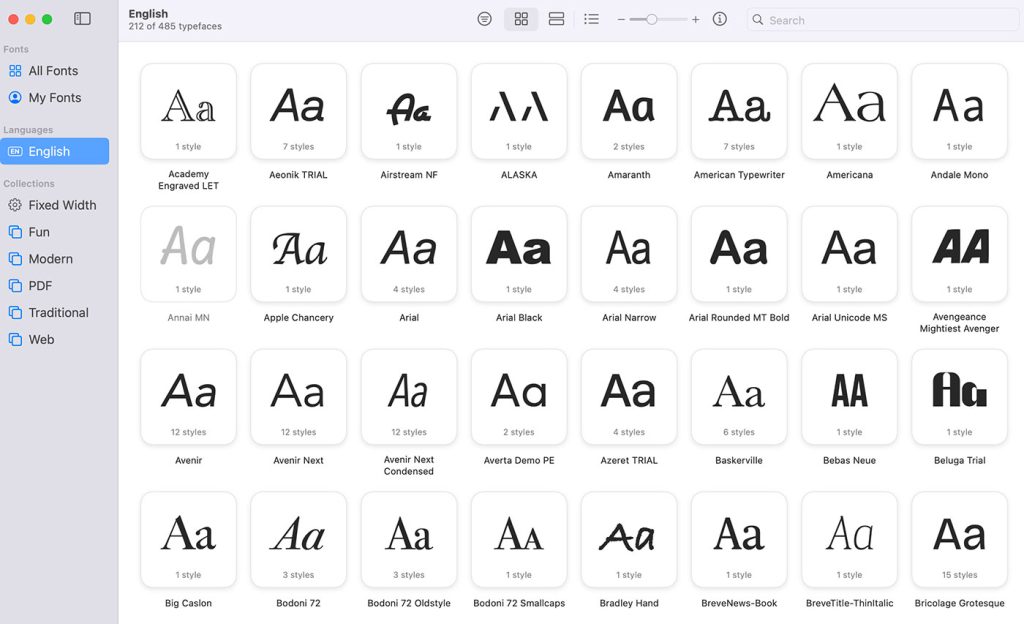
Remember system fonts? Good old Times New Roman, trusty Arial, and the unkillable Courier New. Fonts so baked into operating systems, they felt like i
We are a dynamic information platform dedicated to delivering timely, relevant, and reliable content across a broad spectrum of topics. From the latest in technology and business to lifestyle, health, and global affairs, we aim to keep our readers informed and inspired.
Our editorial team is committed to maintaining high standards of accuracy and clarity, ensuring that every article provides value and context in an ever-changing world. We believe in the importance of accessible knowledge and strive to make complex topics understandable for everyone.
Whether you're here to stay updated on current events, explore thought-provoking features, or simply learn something new, our goal is to offer a trustworthy source of information that meets the needs of a diverse and curious audience.