4 Predictions for the Web
The start of the year is always a good time to reassess priorities and consider new approaches, but 2021 is more of a reset than we expected this time


Over the past several years, augmented reality (AR) technology has established a home in entertainment, marketing, education and many other industries. The use of AR apps in the enterprise will grow to $2.4 billion in 2019. On the flip side, augmented reality also brings a lot of challenges for designers. Today most experienced designers have got skills in designing web and mobile apps, but these skills aren’t always applicable for immersive AR experiences.
This article will look at how AR is affecting UX, and how UX designers can rise to the challenge of designing engaging augmented user interfaces.
Augmented Reality refers to technology that uses real-time inputs to create an output that combines both real-world data and some programmed elements. AR adds a programmed layer over actual reality to create a third, dynamic level of augmented experience. With AR apps, instead of just seeing information, users interact with it and receive live feedback on the action they have performed.
AR apps are already thriving in the Android and iOS ecosystems right on our smartphones and tablets. Examples of AR that the majority of users have at least heard of, if not used, are things like:
Pokémon Go: Players can collect game characters that can be uncovered by moving in the real world.
SnapChat lenses: SnapChat uses facial-recognition technology to enable users to enhance images with computer-generated effects.
Snapchat’s lenses feature
Microsoft HoloLens: Using tools like Microsoft’s HoloLens it’s possible to see and interact with complex models such as 3D model of a human heart.
Microsoft HoloLens
The field of designing AR user experiences is still in its infancy, and since there are no established UX best practices for it yet, I’d like to share my own personal approach to UX in AR apps…
The concept of “measure twice, cut once” is especially important in building AR apps. Before diving in, it’s important to have a clear answer on the question “What do I want to achieve with this AR app?” Your ultimate goal is to ensure that the AR experience is right for the project. Keep in mind the following:
Since you will integrate an AR design solution into the users’ environment, you want it to feel as natural as possible. The environment significantly affects AR design:
Thus, when designing an AR app, you first need to research the environmental conditions in which the app will be used and how it will affect the user:
User testing should be a critical step in the review process. When the first working prototype of your AR app is ready, you should run comprehensive user tests on product use in real conditions. Your ultimate goal here is to make interaction with the product comfortable for users.
AR in an app should be a layer of added value that reduces the time needed to complete simple tasks. Keep in mind that with each product people are seeking out experiences, not technologies, and they won’t like a technology that isn’t friendly to use. Thus, when designing your AR solution I recommend the following approach:
This information will help you conduct a task analysis. The analysis will help you make things more natural for the users. Consider the Google Translate app in the example below. The app uses the phone’s built-in camera to translates the captured text into another language. This example perfectly illustrates the value that AR technology can provide.
AR experiences should be designed to require as little physical input from users as possible. When users are looking through the device screen at an augmented picture, it’s going to be hard for them to input data at the same time.

The start of the year is always a good time to reassess priorities and consider new approaches, but 2021 is more of a reset than we expected this time
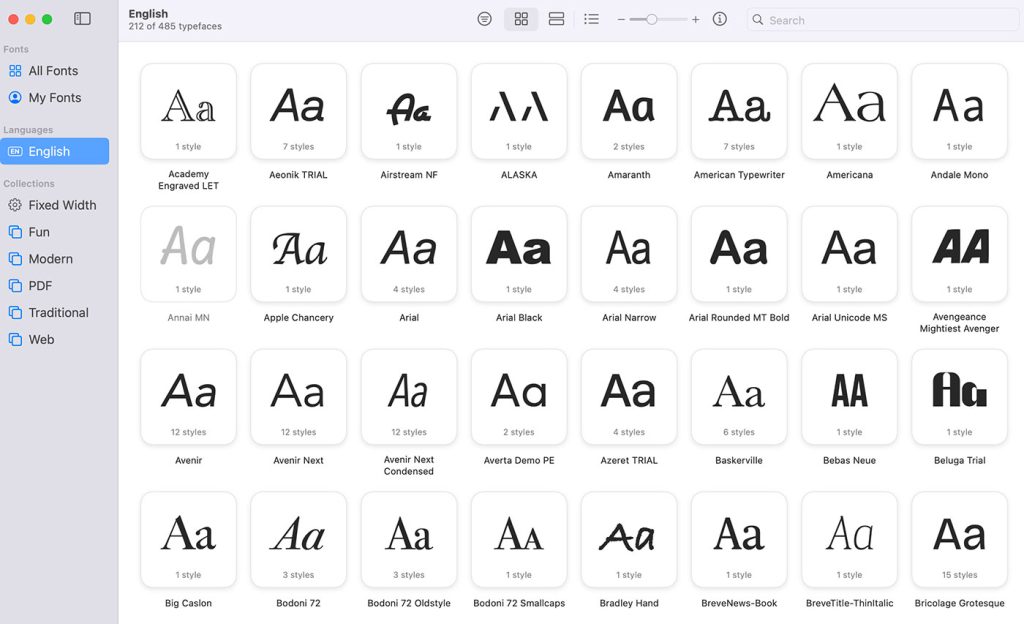
Remember system fonts? Good old Times New Roman, trusty Arial, and the unkillable Courier New. Fonts so baked into operating systems, they felt like i
A lot of very smart people have said that those who do not learn from history are doomed to repeat it. Other people say that nostalgia bait…ahem…“retr
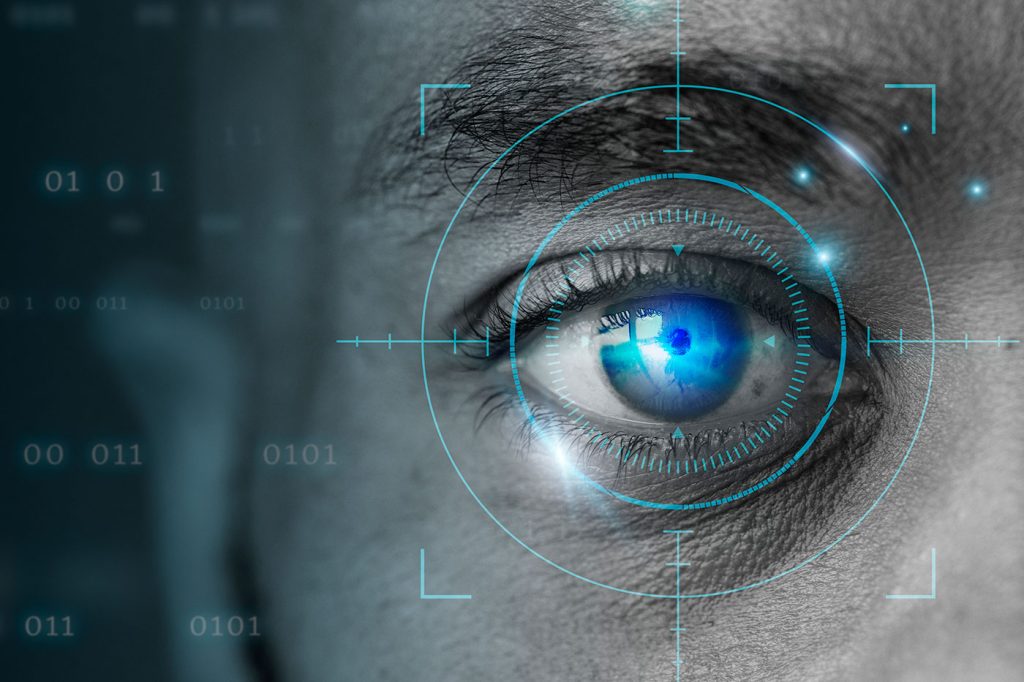
Passwords are like the junk drawer of the internet: overstuffed, unreliable, and full of things you meant to replace years ago. We’ve spent decades ju
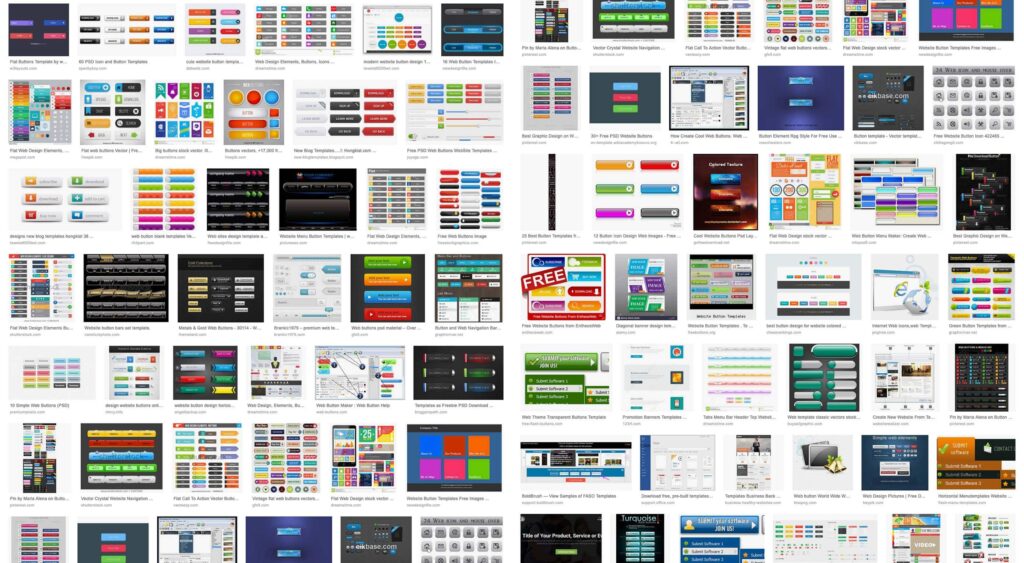
Once upon a time, in the golden age of blogrolls and PSD mockups, web designers whispered of a magical concept: evergreen web design. The idea was nob

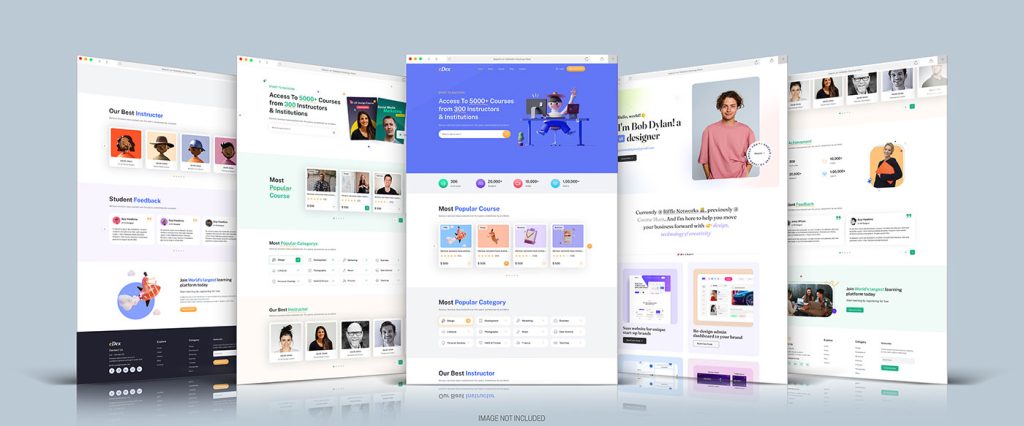
Development time is a precious resource. In order to be more efficient and responsive, product teams continuously try to use advanced techniques for p
We are a dynamic information platform dedicated to delivering timely, relevant, and reliable content across a broad spectrum of topics. From the latest in technology and business to lifestyle, health, and global affairs, we aim to keep our readers informed and inspired.
Our editorial team is committed to maintaining high standards of accuracy and clarity, ensuring that every article provides value and context in an ever-changing world. We believe in the importance of accessible knowledge and strive to make complex topics understandable for everyone.
Whether you're here to stay updated on current events, explore thought-provoking features, or simply learn something new, our goal is to offer a trustworthy source of information that meets the needs of a diverse and curious audience.