7 Secrets for Building Great Client Relationships
A colleague recently said to me, “I’ve heard that you’re a client relations guru. Are there any tips or tricks that you have for starting to build up

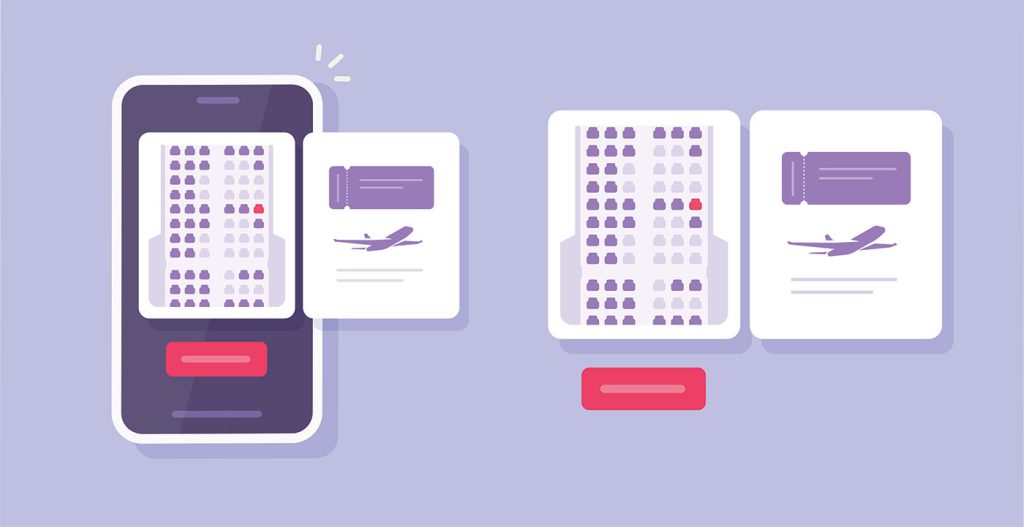
In the world of advanced UX strategy, few industries demonstrate the power of persuasive (and often problematic) design better than the airline industry.
Airlines have transformed what was once a basic feature—seat selection—into a $12.4 billion revenue stream, all by reimagining the booking experience with deliberate, revenue-first design decisions.
This isn’t just about clever marketing. Airlines rely on dark patterns and a deep understanding of user psychology to create interfaces that subtly but effectively drive customers toward paying for services they might otherwise avoid.
As advanced web designers and UX strategists, we can learn a lot from both the effectiveness and the ethical dilemmas of these practices.
When a user reaches the seat selection phase of booking, the interaction is no longer about simply choosing a spot on the plane. It’s a carefully orchestrated journey designed to encourage upsells. Let’s break down the most common UX patterns airlines employ.
At first glance, a seat map seems straightforward: a visual grid with clickable options. But the devil is in the details:
Messaging throughout the booking flow is crafted to evoke emotional responses and nudge users toward spending more:
Interaction cost—the effort required to complete a task—is manipulated to steer users toward paid options:
Dynamic pricing plays a key role in shaping the user experience. Prices for seat selection may vary based on demand, the user’s booking history, or even browsing behavior. From a UX perspective:
Airline seat selection flows provide valuable lessons for UX strategists and designers, particularly in how to balance persuasive design with ethical considerations.
Airlines excel at leveraging cognitive biases like FOMO, loss aversion, and anchoring. While these are powerful tools for driving action, they must be wielded responsibly. Transparency and user trust are essential for long-term success.
Adding friction to certain paths (like skipping seat selection) is a deliberate choice. As designers, we must evaluate whether this friction aligns with user goals or merely serves to increase conversions.
The booking experience doesn’t end with a sale. Frustration caused by dark patterns can erode user trust and lead to negative post-purchase sentiment. Ethical design that prioritizes clarity and fairness builds stronger customer loyalty.
Ambiguity in pricing or product features might boost short-term revenue but risks long-term fallout. Clear communication about what users are paying for—and why—should be a cornerstone of any persuasive design strategy.
Airlines walk a fine line between persuasive design and exploitation. While their strategies are undeniably effective, they raise important questions about the role of UX in shaping user behavior. Should designers prioritize business goals above all else? Or is there an ethical obligation to advocate for the user?
As UX professionals, we have the tools and knowledge to influence behavior. The challenge lies in using them to create experiences that are not only profitable but also fair, transparent, and user-centered.
When executed ethically, persuasive design can drive conversions while fostering trust and loyalty—goals that are ultimately more sustainable for any business.
By understanding the techniques airlines use, advanced designers and strategists can refine their own approaches, learning from both the successes and the shortcomings of these high-stakes interfaces.

A colleague recently said to me, “I’ve heard that you’re a client relations guru. Are there any tips or tricks that you have for starting to build up

So you’ve been working as a designer for the past few years. You’re good at it. You’re successful. Maybe even really successful. You’ve had big-name c
If you’re here, then you’re thinking about becoming a web designer and wondering if it’s a smart move.Honestly, it’s not uncommon to be plagued by dou

There’s a special kind of web designer out there. You won’t always spot them in the wild because they’re usually busy fixing something someone else fo

It sort of feels like our lives are nothing more than an endless string of decision-making, doesn’t it? You go to the grocery store and half an aisle
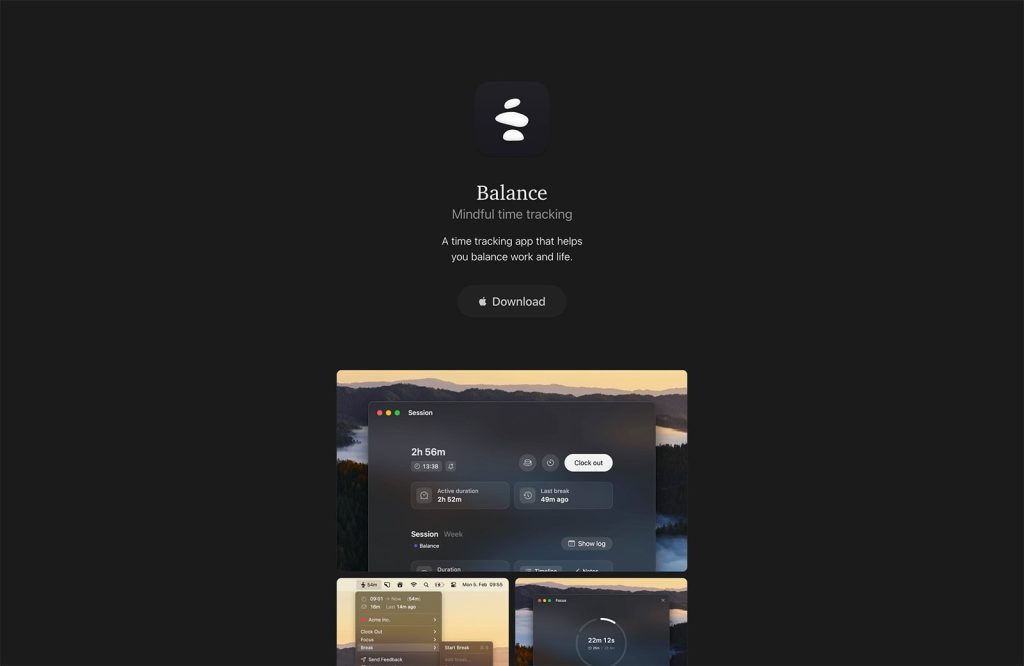
2024 has seen an explosion in AI-powered tools and services, some genuinely helpful, others simply bandwagon jumping. It is clear that, with or withou
We are a dynamic information platform dedicated to delivering timely, relevant, and reliable content across a broad spectrum of topics. From the latest in technology and business to lifestyle, health, and global affairs, we aim to keep our readers informed and inspired.
Our editorial team is committed to maintaining high standards of accuracy and clarity, ensuring that every article provides value and context in an ever-changing world. We believe in the importance of accessible knowledge and strive to make complex topics understandable for everyone.
Whether you're here to stay updated on current events, explore thought-provoking features, or simply learn something new, our goal is to offer a trustworthy source of information that meets the needs of a diverse and curious audience.