20 Footer Design Myths You’re Still Believing (And How to Fix Them
Footers—often treated like the forgotten bottom shelf of your website’s pantry. Designers pour their energy into flashy homepages and slick navigation

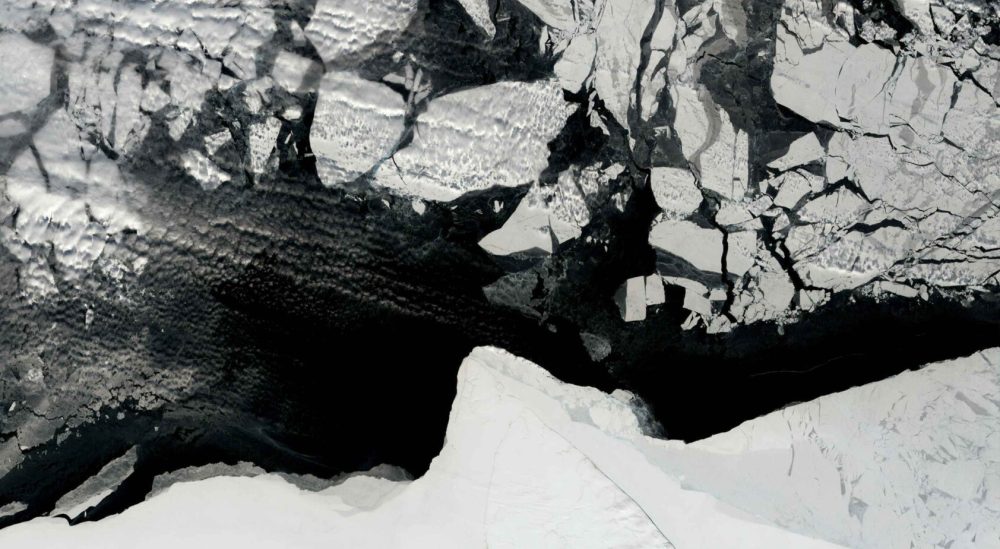
At this point, the reasonable best-case (yes, best-case) scenario is that global temperatures will rise by 2˚C — if we don’t meet our global emissions targets, then it will be higher.
A 2˚C rise in temperature means a rise in sea levels of approximately 20m in the next 100 years. Major cities, including New York and London, will be decimated. Florida will become an island off the coast of Georgia. Venice is in serious trouble, as is the whole of the Netherlands. Many low-lying island nations will cease to exist. If we do nothing, there may not be enough farmable land left to sustain the population.
According to sustainablewebdesign.org, the whole Internet currently churns out 3.8% of global carbon emissions. Next Thursday is Earth Day 2021, making this a great time to think about your own sites’ carbon footprint.
The key to reducing a website’s carbon footprint is to use as little electricity as possible — including battery power because batteries need to be charged. Some simple ways to achieve this are using dark mode, limiting the amount of resource-hungry JavaScript you use, and limiting your site’s payload. Small incremental gains like these can radically reduce the damage your sites are doing, and conveniently they also happen to be good for UX.
But let’s look at the numbers. An environmentally consciously designed site that gets 100,000 page views per year will output around 0.055 tons of CO2 per annum. By comparison, the average human produces 4 tons of CO2 (in Western countries, it’s closer to 16 tons) over the same period. The world as a whole produces 43.1 billion tons of CO2 per year. If you redesign your site to reduce power usage by 10%, you’ll have solved 0.0000000000001% of the problem.
With such a small impact on such a huge problem, is it really worth changing how we design websites to limit climate change?
[ Thanks for voting! This poll is now closed ]
Footers—often treated like the forgotten bottom shelf of your website’s pantry. Designers pour their energy into flashy homepages and slick navigation
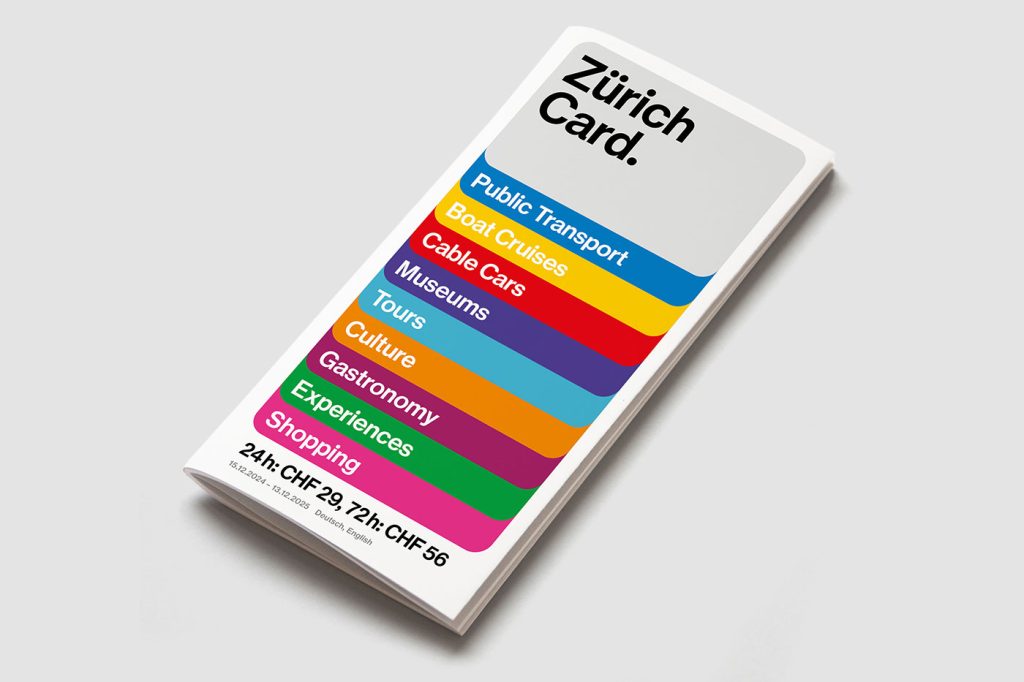
Most city passes look like something you’d shove in your wallet and forget about. The Zurich Card just got the opposite treatment—thanks to Studio Mar
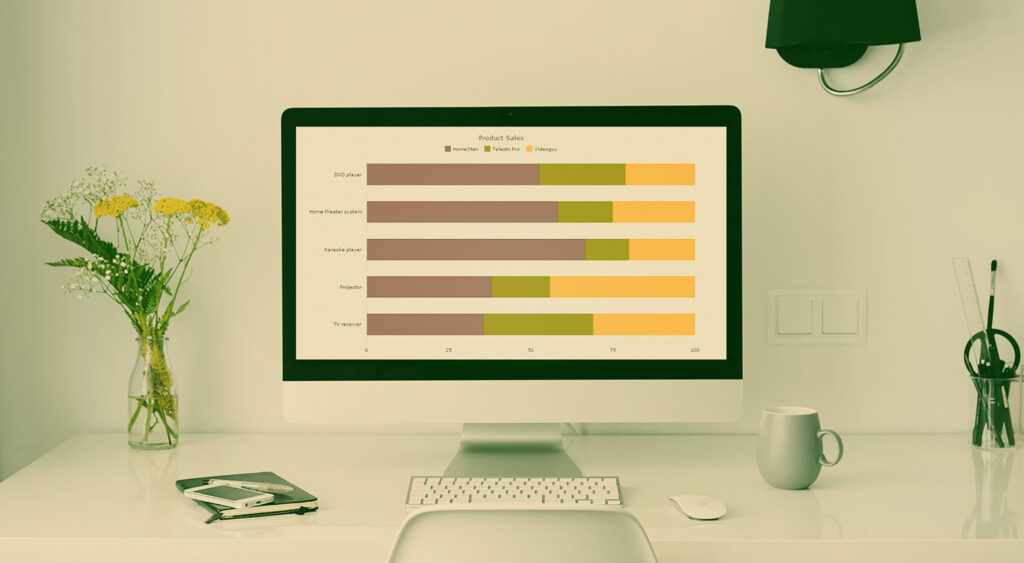
Data is all around us, and its visualization has already become an essential part of our lives. Charts, infographics, maps, and dashboards are in grea

That’s a big part of the reason so many designers are stripping down menus to more minimal styles. (Plus, it can create a cleaner, more sleek overall

Let’s talk about the AI takeover—at least, the one happening in web design. Everywhere you look, personalization is being pushed as the holy grail of

After many weeks and months of preparations, you are ready to go; you’ve done everything that you needed to do to make sure that the design and develo
We are a dynamic information platform dedicated to delivering timely, relevant, and reliable content across a broad spectrum of topics. From the latest in technology and business to lifestyle, health, and global affairs, we aim to keep our readers informed and inspired.
Our editorial team is committed to maintaining high standards of accuracy and clarity, ensuring that every article provides value and context in an ever-changing world. We believe in the importance of accessible knowledge and strive to make complex topics understandable for everyone.
Whether you're here to stay updated on current events, explore thought-provoking features, or simply learn something new, our goal is to offer a trustworthy source of information that meets the needs of a diverse and curious audience.