Feedback Fatigue: Why AI Will Stop Asking for Your Opinion
Let’s talk about the ancient art of the thumbs-up and thumbs-down — once the sacred, clumsy handshake between user and algorithm.In the early days of

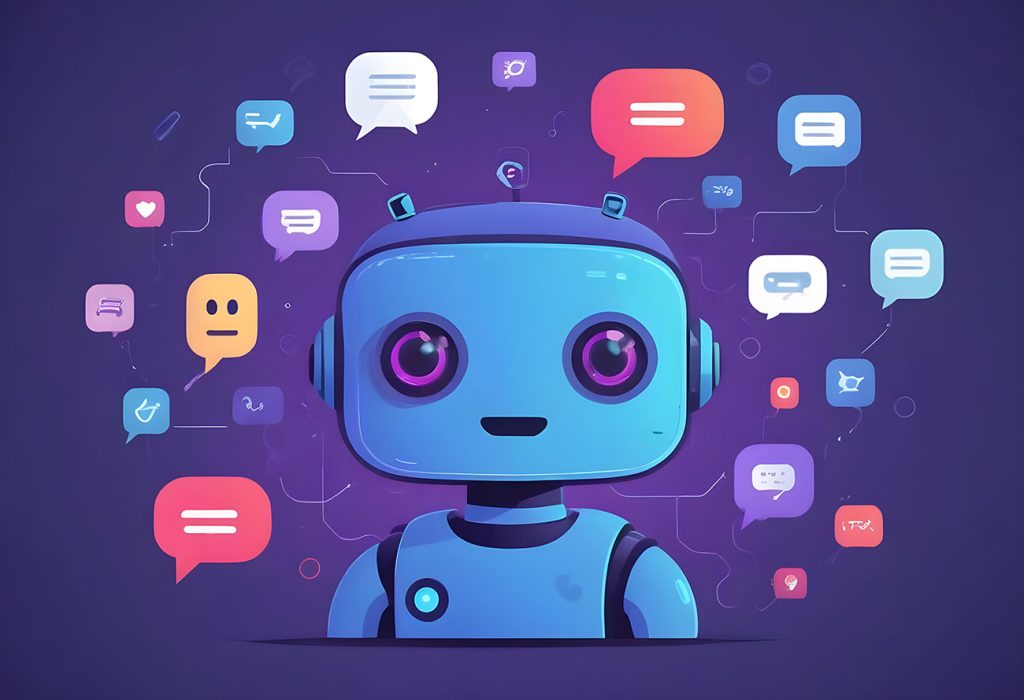
For years, chatbots have been paraded as the future of customer service. Businesses embraced them with open arms, wooed by promises of efficiency, cost savings, and 24/7 availability.
But let’s face it—customers hate chatbots.
And if you’re still clinging to this so-called innovation, it’s time for a reality check.
The pitch is simple: chatbots provide immediate assistance, solving customer issues faster than a human ever could. Sounds great, right? Wrong. In reality, most chatbots offer nothing more than scripted responses, leaving users trapped in a loop of frustration.
Need proof? Just think about the last time you typed, “Talk to a human” into a chatbot window.
Customers don’t want a maze of irrelevant options; they want their problems solved. Chatbots rarely deliver on this promise. Instead, they leave customers screaming into the void (or at their screens), wasting time until they finally reach a human—the person they wanted to talk to all along.
Here’s a radical thought: people want empathy when they’re upset. Whether it’s a delayed order or a technical glitch, customers want to feel heard.
Chatbots, no matter how “advanced,” cannot replicate the nuances of human conversation. They don’t understand sarcasm, humor, or the sheer exasperation in, “Why is my account locked again?”
The result? A growing sense of alienation. Customers feel like they’re talking to a brick wall, and that’s a surefire way to erode trust and loyalty. Empathy can’t be coded into an algorithm, and pretending otherwise is just insulting.
Let’s not kid ourselves—the rise of chatbots isn’t about better customer service. It’s about saving money. Businesses love chatbots because they eliminate the need for a full-fledged customer support team. But this penny-pinching approach comes at a cost: customer satisfaction.
When customers are met with unhelpful bots, they’re more likely to abandon your brand altogether. According to numerous surveys, customers overwhelmingly prefer human interactions over chatbots. Ignoring this fact to save a few bucks is short-sighted at best and brand suicide at worst.
Chatbots are often touted as universally accessible, but they’re anything but. For people with disabilities, especially those relying on assistive technologies, chatbots can be a nightmare.
Poorly designed interfaces, lack of compatibility with screen readers, and overly complex conversation trees make chatbots a barrier rather than a bridge.
When companies fail to accommodate diverse needs, they send a clear message: “We care more about convenience than inclusivity.” That’s not just bad business; it’s ethically questionable.
Adding insult to injury, some businesses have taken their love affair with automation to an absurd extreme: they’ve eliminated traditional contact options altogether. No email, no phone number, not even a contact form. Instead, users are funneled directly into chatbot systems with no escape route.
This lack of transparency not only frustrates customers but also damages brand credibility. When people can’t find a way to contact you directly, they’re left wondering what you’re trying to hide.
Worse still, this trend leaves customers feeling powerless, as they’re forced to rely on a tool that frequently fails them. If your business doesn’t even have a contact page, you’re effectively telling customers, “We don’t care about your concerns.”
The backlash against chatbots is growing. Forums, social media, and review sites are brimming with complaints about unhelpful automated systems.
Some brands have already started backpedaling, reintroducing real human support as a “premium” service. Think about that for a second: human interaction is now a luxury.
Meanwhile, customer expectations are evolving. They’ve seen the promises of AI, and they’re not impressed by the current reality.
Businesses that cling to chatbots risk alienating their audience and losing out to competitors who prioritize real, human connection.
Chatbots were supposed to revolutionize customer service. Instead, they’ve become a symbol of frustration and disconnection.
If you’re still relying on bots to handle your customer interactions, it’s time to rethink your strategy. Customers crave real, human connections—and it’s up to you to deliver.
So, ditch the bots (or at least limit their role). Your customers will thank you for it—and your bottom line will too.
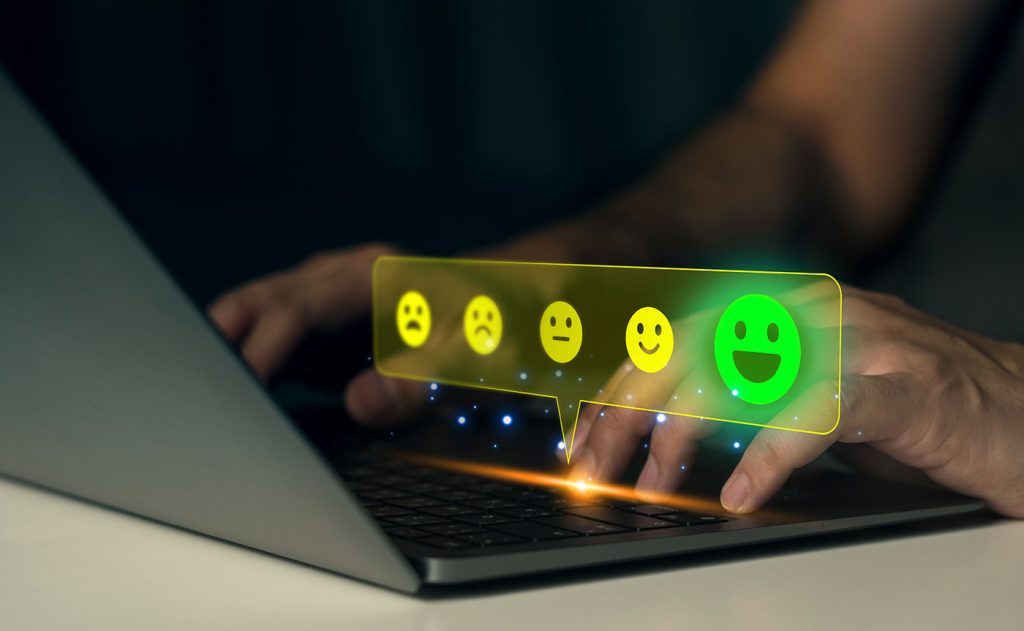
Let’s talk about the ancient art of the thumbs-up and thumbs-down — once the sacred, clumsy handshake between user and algorithm.In the early days of

It’s fair to say that AMP (Accelerated Mobile Pages) is a controversial topic among web developers.AMP is a Google-guided technology that strips down

No, no. I didn’t go researching modern-day witchcraft or anything like I did with Taoism. No, I’m taking web design lessons from a set of entirely fic

That starts with having the right marketing tools and resources to facilitate your design career. But it takes more than having these tools at your di

Designing mid-level feature pages is one of the hardest parts of building or revamping your website. How do you divide your business into neat, tidy s
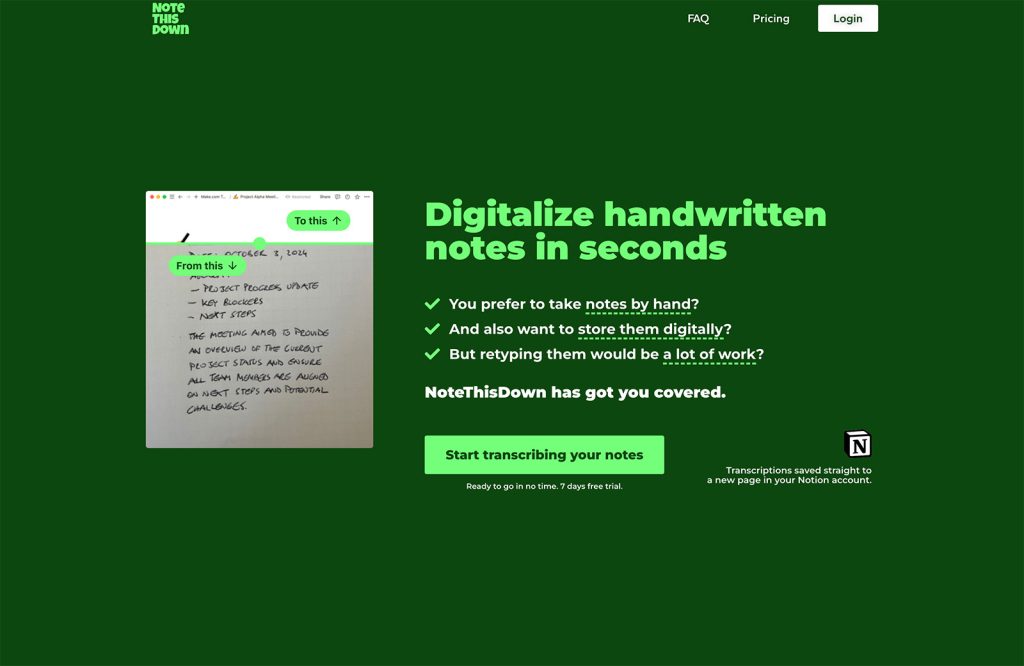
Welcome to our latest toolkit collection.As always, we’ve aimed for a range of apps, utilities, and services to help make life a little easier for des
We are a dynamic information platform dedicated to delivering timely, relevant, and reliable content across a broad spectrum of topics. From the latest in technology and business to lifestyle, health, and global affairs, we aim to keep our readers informed and inspired.
Our editorial team is committed to maintaining high standards of accuracy and clarity, ensuring that every article provides value and context in an ever-changing world. We believe in the importance of accessible knowledge and strive to make complex topics understandable for everyone.
Whether you're here to stay updated on current events, explore thought-provoking features, or simply learn something new, our goal is to offer a trustworthy source of information that meets the needs of a diverse and curious audience.