How to Bootstrap a Web Design Business
Starting your own business is a process with a fair share of challenges. Even in the web design world, where you can potentially minimize costs by wor


When it comes to web design, the handoff process is where the magic (or more often, the chaos) happens.
For many advanced designers, this phase — where you move from the creative and technical development phase into the hands of developers — is one that can be fraught with stress, misunderstandings, and, let’s face it, the occasional meltdown.
Despite our best intentions, the handoff process is often a tangled mess of unspoken assumptions, incomplete assets, and a lack of clarity. Whether you’re working in a small team or part of a larger, cross-functional group, the handoff is typically where things start to fall apart.
In this article, we’re diving deep into common mistakes that happen during design handoffs, exploring how they affect the project, and most importantly, offering solutions for avoiding them.
As much as we love our role as creatives, it’s easy to fall into the trap of thinking that our beautiful designs should speak for themselves.
But we all know that designers and developers speak different languages — or, more accurately, we think we do. For instance, when you specify the width of an element to be “100%,” you might believe it’s self-explanatory. But for a developer, that could mean something entirely different depending on the parent element, viewport, or CSS framework being used.
Misunderstandings over design specs are the silent killers of smooth handoffs. Perhaps you’ve worked in a design tool like Figma or Sketch, carefully adjusting every pixel and specifying the exact spacing between components, only to realize that the developers have taken liberties with your carefully crafted design or misunderstood some elements altogether.
The first rule here is to never assume. No matter how obvious it seems, always make sure your design specs are crystal clear. A few ways to make sure everyone is on the same page include:
Let’s be honest: we’ve all been in a situation where we’ve handed off our final designs, only to find out later that the assets weren’t properly included. Developers might struggle with missing images, icons, or even specific brand assets that are essential for implementing the design to perfection.
The worst part? These mistakes are often only discovered after development begins, causing unnecessary delays as developers scramble to locate or request missing assets. This adds time and frustration to the project — and, let’s face it, it also makes us look unprofessional.
The solution here is simple: make sure every asset is accounted for. A complete and comprehensive handoff includes not just the design files, but all the resources required for implementation. Here’s how to ensure you’re fully prepared:
Communication breakdowns are another critical issue when it comes to design handoffs. If you’re not taking the time to properly explain the design decisions behind your choices, developers may find themselves in the dark, making assumptions that lead to errors or inconsistencies.
This problem only worsens when you fail to explain how design decisions align with the larger goals of the project. Developers might understand the mechanics of the design but may lack insight into why certain elements are designed the way they are.
To prevent these issues, you need to ensure clear, transparent communication throughout the handoff process. Developers need to understand not just what you’re designing, but why you made certain design decisions. Here’s how you can facilitate better communication:
While design tools like Figma, Sketch, and Adobe XD have made the handoff process easier by generating specs, the truth is that these specs are often far from perfect. Relying too heavily on the automatic measurements provided by the tool can lead to problems.
For instance, these tools don’t always take into account edge cases, like how padding might need to change on different screen sizes, or how a component might behave when re-sized dynamically.
While auto-generated specs are helpful, they shouldn’t be the only source of truth. You should always double-check the specifications and make sure they align with your design intentions. Additionally, ensure that any responsive or dynamic behaviors are clearly defined.
Once you hand off your designs, it’s easy to think the job is done. Unfortunately, the reality is that design doesn’t live in a vacuum, and development is rarely a smooth, linear process. There will be questions, hiccups, and adjustments along the way, and if you’re not around to provide support, your design could suffer.
The most successful handoffs aren’t one-and-done. Designers who engage with developers post-handoff ensure that the final product aligns with their original vision. Keep communication channels open and be ready to provide quick clarification on any points of confusion.
Design handoffs are a critical part of the web design process, and avoiding the common pitfalls discussed above requires a mix of preparation, clear communication, and ongoing collaboration.
The mistakes we make during handoffs can lead to delays, miscommunications, and a product that doesn’t align with the vision we originally set out to create. But with the right processes and mindset in place, we can smooth the handoff experience for ourselves, our development teams, and our clients.
Remember: a good handoff isn’t about passing the torch and walking away — it’s about creating a seamless bridge between design and development. After all, it’s not just about what you design, but how you communicate and collaborate to make that design a reality.
Happy handoff!

Starting your own business is a process with a fair share of challenges. Even in the web design world, where you can potentially minimize costs by wor
Every freelancer has heard the pitch from clients about “no money now, but there will be later”, “help start my business and you’ll be my ‘go-to’ pers

Let’s be real—the internet is broken. It’s a mess! Once upon a time, it was this wild, open frontier, a digital playground where anyone with a dial-up
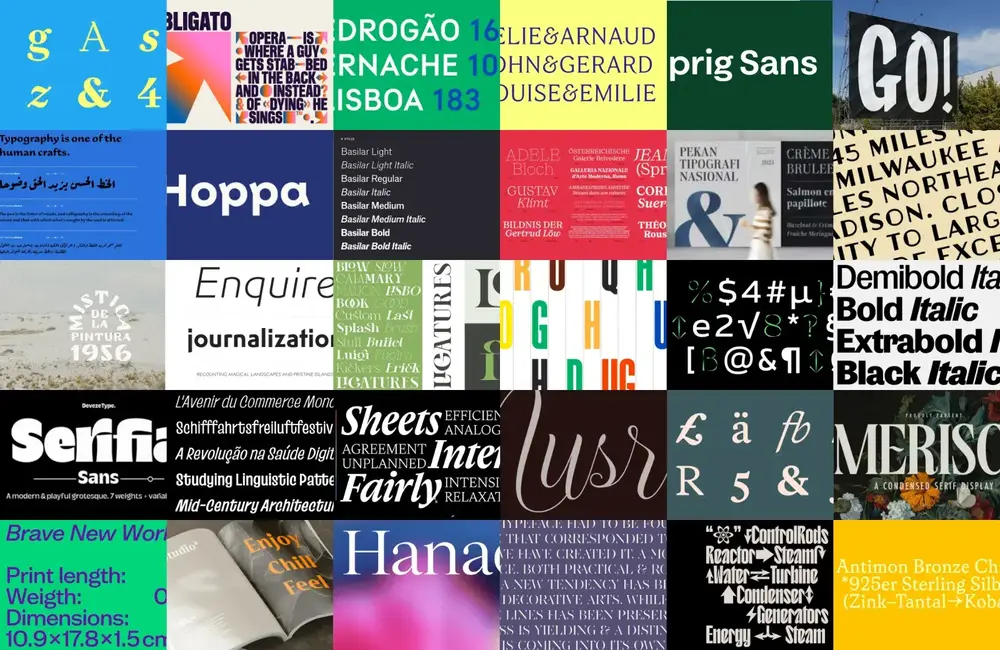
We bring you the best new typeface designs every month, and every December, we round up our favourites; this year, we’ve been spoiled for choice. 2023

UX design and a solid SEO strategy go hand in hand.Design is here to boost user experiences, inspire users to spend more time on your pages, and ensur
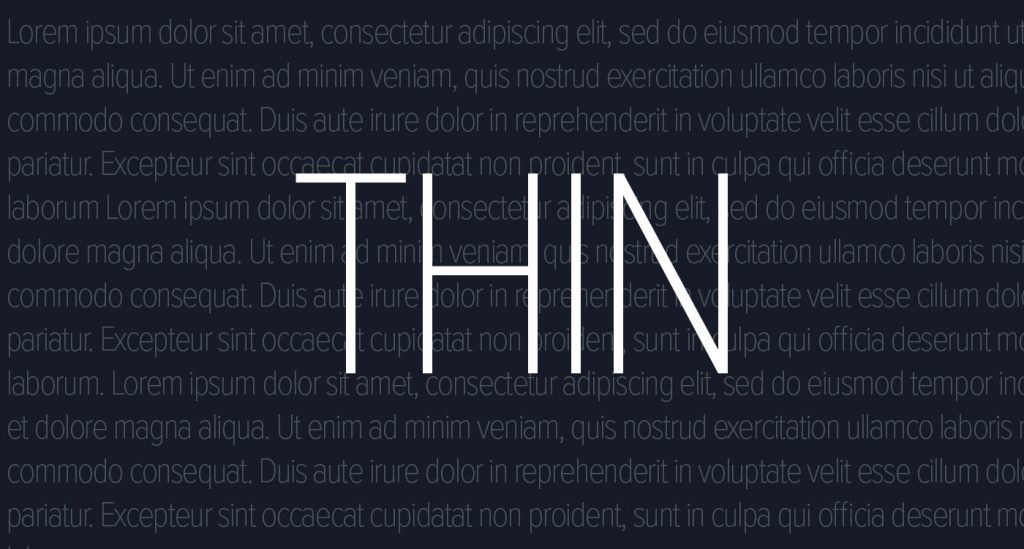
Thin fonts are like that trendy minimalist couch that looks amazing in photos but is absolutely terrible to sit on. Designers have obsessed over them
We are a dynamic information platform dedicated to delivering timely, relevant, and reliable content across a broad spectrum of topics. From the latest in technology and business to lifestyle, health, and global affairs, we aim to keep our readers informed and inspired.
Our editorial team is committed to maintaining high standards of accuracy and clarity, ensuring that every article provides value and context in an ever-changing world. We believe in the importance of accessible knowledge and strive to make complex topics understandable for everyone.
Whether you're here to stay updated on current events, explore thought-provoking features, or simply learn something new, our goal is to offer a trustworthy source of information that meets the needs of a diverse and curious audience.